0
Satisfied Customers
Automotive Software Development
Build connected automotive platforms for drivers, dealerships, fleets, service teams, and mobility businesses.
Techanic Infotech develops automotive software that connects drivers, vehicle owners, dealerships, fleet managers, technicians, service centers, manufacturers, and administrators through coordinated digital workflows. We build platforms for connected vehicle services, telematics, fleet management, vehicle diagnostics, maintenance scheduling, dealership operations, roadside assistance, automotive ecommerce, customer portals, service booking, and operational analytics. Our development approach focuses on reliable vehicle data, scalable cloud architecture, secure integrations, role based access, practical automotive workflows, and software designed around the needs of mobility businesses.

Automotive software requires reliable engineering, secure integrations, real time data handling, operational visibility, and coordinated workflows across vehicles, customers, and service teams.
We provide automotive software development services for dealerships, fleet operators, vehicle service companies, mobility startups, automotive manufacturers, rental businesses, aftermarket brands, and transportation technology companies.

Build custom automotive software around your vehicles, users, service workflows, telematics requirements, fleet operations, dealership processes, maintenance programs, customer journeys, and business model. We develop mobile, web, and backend systems that connect vehicle information with practical operational tools.
Whether you are planning connected vehicle software, a fleet platform, dealership system, automotive service product, telematics dashboard, or customer mobility application, Techanic Infotech can help define vehicle data workflows, user roles, integrations, operational processes, analytics, and scalable technical architecture.

Automotive businesses operate across vehicles, drivers, sales, maintenance, service, logistics, and customer relationships. We build software around the workflows that need to stay connected.
Build driver and vehicle owner experiences for supported vehicle status, trip history, remote service information, maintenance reminders, location data, notifications, and account management.
Automotive software may process customer accounts, driver information, vehicle identifiers, trip history, telematics data, location information, payment details, diagnostic records, service history, and operational information. Security and privacy controls should reflect the product type and target market.
Design data collection around genuine vehicle, driver, service, fleet, dealership, and customer workflows.
Support secure authentication, session protection, account recovery, and appropriate access controls for drivers, customers, staff, and business users.
Separate permissions for drivers, fleet managers, technicians, service advisors, dealership staff, administrators, and other authorized users.
Apply suitable safeguards to vehicle identifiers, diagnostics, maintenance information, trip records, and connected vehicle data.
Use clear permissions and configurable controls for GPS tracking, trip history, roadside assistance, fleet monitoring, and location based functionality.
Protect driver profiles, assignments, trip activity, behavioral data where collected, and other workforce or customer information.
Use trusted payment providers for service payments, reservations, vehicle purchases, subscriptions, or other eligible transactions.
Use secure authentication and API practices when connecting with telematics providers, vehicle systems, mapping services, or other external automotive platforms.
Apply suitable encryption practices for sensitive information in transit and, where appropriate, at rest.
Test authentication, permissions, telematics APIs, payments, location workflows, vehicle data, service systems, and administrative controls before release.
Techanic Infotech can build original automotive software inspired by familiar mobility, fleet, dealership, and vehicle service experiences while using custom branding, workflows, architecture, interfaces, and source code without copying proprietary technology or protected assets.

Tap to flip and read details
Build an original connected vehicle experience using supported integrations for vehicle status, charging or fuel information, trip history, service updates, alerts, and account management.

Tap to flip and read details
Develop a branded automotive customer platform with supported connected vehicle information, service scheduling, roadside assistance, vehicle health information, and dealership discovery.

Tap to flip and read details
Create a commercial fleet platform with vehicle tracking, driver workflows, maintenance, operational alerts, analytics, and telematics integrations.

Tap to flip and read details
Build an automotive marketplace experience for vehicle discovery, filtered search, listings, dealer profiles, customer inquiries, saved vehicles, and comparison tools.

Tap to flip and read details
Develop an original vehicle maintenance experience with service history, maintenance reminders, vehicle records, repair shop discovery, and ownership information.
The following conceptual examples illustrate automotive software products for connected vehicles, fleets, dealerships, maintenance businesses, and mobility services.
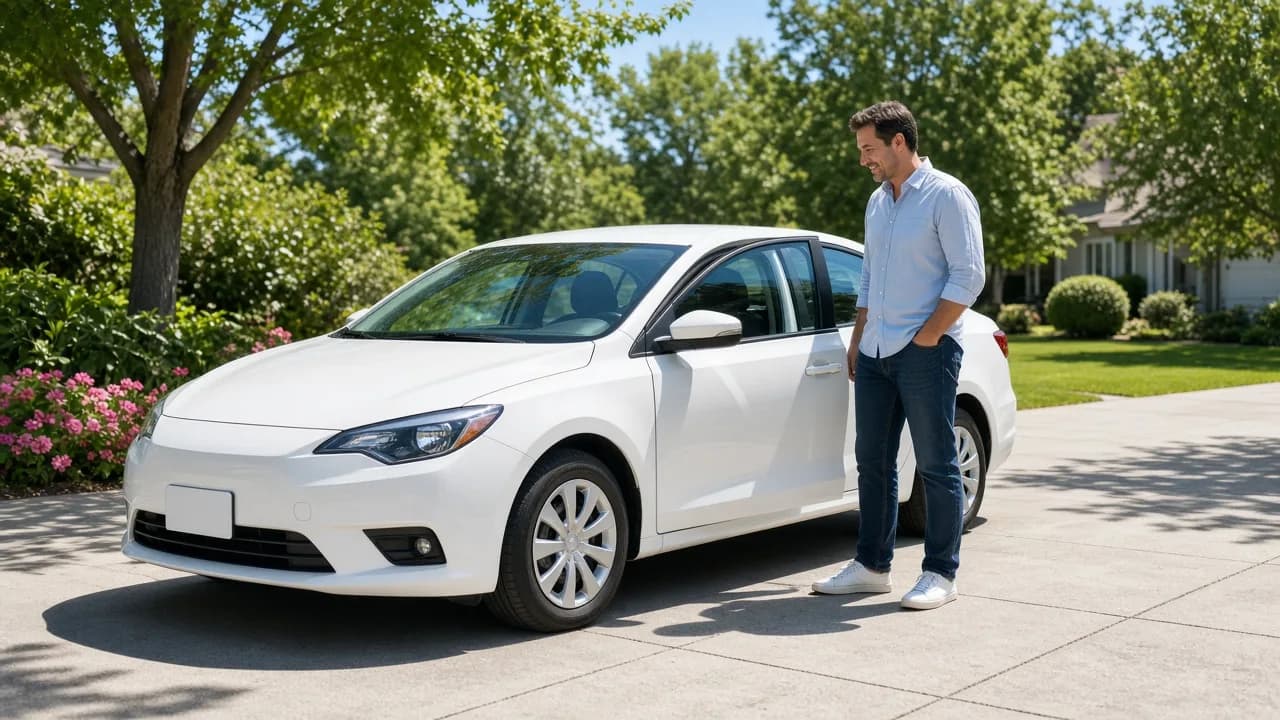
A connected vehicle application showing supported vehicle status, trip activity, maintenance reminders, service information, alerts, and driver account features.

A commercial fleet system for vehicle location, driver assignments, maintenance, utilization, trip activity, inspections, alerts, and performance reporting.

A dealership management product for vehicle inventory, customer leads, sales pipelines, test drive requests, service bookings, and reporting.

A repair and service platform for appointments, work orders, technician assignments, estimates, inspections, customer approvals, and vehicle service history.
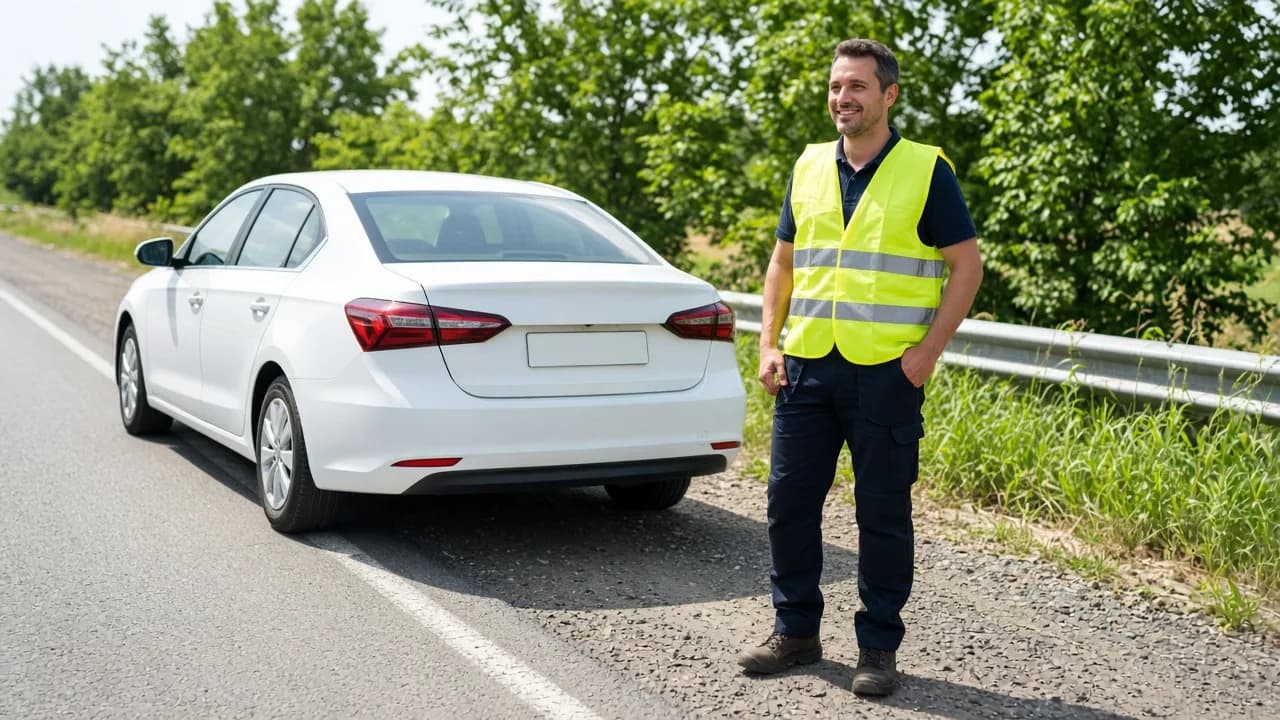
A roadside assistance platform connecting drivers with dispatch teams and service providers for towing, battery support, tire issues, breakdowns, and emergency roadside requests.
Automotive platforms need coordinated functionality for drivers or customers, administrators, and operational automotive teams.
Features that help vehicle owners and drivers access automotive services and vehicle information.
Central controls for vehicles, users, integrations, services, and operational reporting.
Tools for fleet managers, technicians, service advisors, and authorized automotive teams.
The final feature set should reflect your automotive business model, vehicle types, telematics providers, service workflows, user roles, geographic coverage, integrations, security needs, and expected scale.
Techanic Infotech is committed to delivering high quality software through strong engineering, transparent communication, and long term client partnerships. Our reputation is built on successful project delivery, client satisfaction, and continuous innovation across mobile and web application development.
Explore our verified client reviews, business profiles, technology expertise, and successful project deliveries to learn why businesses choose Techanic Infotech as their technology partner.
Techanic Infotech can help define vehicle and driver workflows, connected car data requirements, dealership operations, fleet processes, maintenance functionality, customer experiences, telematics integrations, security controls, analytics, and scalable architecture.
AI, IoT, telematics, and advanced analytics can improve automotive operations, vehicle servicing, fleet visibility, and customer experiences when used with reliable data and appropriate professional oversight.
Help drivers and customers understand application features, locate service information, review supported vehicle data, schedule maintenance, and navigate common automotive questions.
Use historical maintenance, mileage, telematics, and diagnostic information to assist service or fleet teams in identifying vehicles that may require professional review.
Help authorized technicians search technical information, service records, diagnostic codes, and maintenance documents more efficiently.
Analyze vehicle usage, idle periods, trip activity, service history, and operational patterns to help fleet managers understand asset utilization.
Assist customers or fleet teams in identifying suitable service appointments based on vehicle needs, technician availability, location, and configured service requirements.
Trigger service reminders, appointment updates, vehicle alerts, repair status notifications, roadside updates, and other configurable communications.
Analyze dealership, fleet, service, or connected vehicle data to surface trends that support planning without replacing safety critical or professional technical judgment.
Automotive software can support several revenue models depending on whether the platform serves drivers, fleets, dealerships, service centers, mobility operators, or software customers.
Create a scalable automotive SaaS business.
Offer monthly or annual software plans for fleet management, dealership operations, service workflows, vehicle monitoring, reporting, or other automotive capabilities.
Select a model on the ring to explore the revenue mix.
“Our platform involved vehicle tracking, driver assignments, maintenance, and reporting across several operational teams. The development team helped organize those requirements into a practical system.”
“We needed customer facing vehicle information and internal service workflows to stay connected. The team communicated clearly as the integration requirements became more detailed.”
“Inventory, customer inquiries, sales activity, and service appointments all needed different workflows. The team kept the product structured without making the admin experience overly complicated.”
“The team stayed responsive while we refined work orders, technician assignments, and customer updates. Testing was organized around the workflows our service teams actually use.”
Automotive software often combines vehicles, telematics, customers, field operations, service centers, dealerships, maps, analytics, and external systems. A capable development partner should understand how these workflows interact across the full mobility ecosystem.
We structure products around vehicles, drivers, fleets, dealership operations, service appointments, work orders, maintenance, roadside support, customer communication, and automotive reporting.
Product strategists, UX designers, mobile and web developers, backend engineers, quality specialists, and project managers collaborate throughout the software lifecycle.
Build driver applications, fleet portals, dealership systems, technician tools, administrative dashboards, APIs, databases, telematics integrations, analytics, and cloud infrastructure as one coordinated product.
Develop functionality in structured stages so automotive operations, sales, fleet, service, and technology stakeholders can review workflows throughout implementation.
Select architecture around vehicle volume, telemetry frequency, expected users, map usage, integrations, real time data, geographic coverage, security requirements, and future product growth.
Continue improving the product through maintenance, telematics integration updates, performance optimization, security enhancements, operating system support, analytics improvements, and new automotive functionality.
Automotive platforms require technology that can support real time vehicle information, telematics integrations, maps, IoT connectivity, secure cloud services, analytics, notifications, and operational dashboards.
Swipe or tap to switch tech categories
We structure automotive software development around drivers, vehicles, business operations, data integrations, security, scalability, and long term mobility requirements.
We define vehicle types, user groups, fleet or dealership workflows, service operations, telematics requirements, location functionality, automotive integrations, reporting, security expectations, notifications, and business objectives.
These answers cover common questions about planning, developing, integrating, monetizing, launching, and scaling automotive software.
Explore articles covering automotive software development, connected vehicles, fleet management systems, dealership software, telematics, vehicle diagnostics, maintenance platforms, automotive IoT, AI assisted mobility, and digital automotive services.