0
Satisfied Customers
Disaster Management Software
Build a connected disaster management platform for emergency planning, incident coordination, alerts, resource allocation, evacuation support, response operations, recovery management, and administrative reporting.
A disaster management software development company can help government agencies, emergency response organizations, humanitarian groups, enterprises, and other authorized organizations coordinate activities before, during, and after emergencies. Techanic Infotech develops customized disaster management solutions with features for incident management, emergency alerts, evacuation planning, responder coordination, resource tracking, shelter management, damage assessment, relief operations, communication, GIS mapping, recovery workflows, analytics, and administrative dashboards. The platform can be tailored around your emergency response structure, operational teams, geographic coverage, incident types, communication channels, integrations, security requirements, and long term disaster preparedness goals.

Build dependable disaster management technology with structured product planning, experienced development support, secure engineering, testing, deployment, and ongoing technical maintenance.
Create connected technology for emergency management teams, government agencies, responders, humanitarian organizations, enterprises, and authorized users with practical tools for preparedness, incident response, communication, resource coordination, evacuation, relief, and recovery.
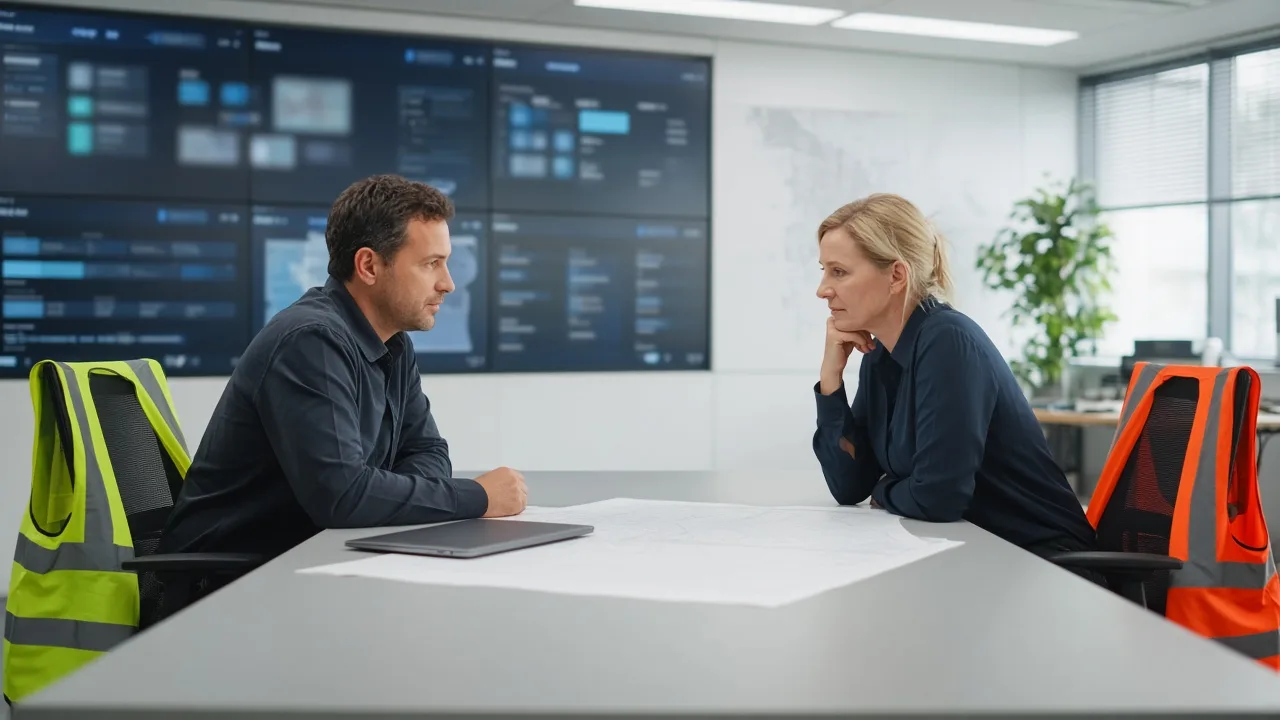
Build a disaster management platform around your emergency response structure, incident types, geographic coverage, operational teams, preparedness plans, resource requirements, communication channels, integrations, security controls, reporting needs, and recovery workflows.
Bring incident management, emergency alerts, response coordination, resource tracking, evacuation planning, shelter management, GIS mapping, relief operations, communication, damage assessment, recovery workflows, reporting, and administration into one connected platform. Techanic Infotech can shape the software around your emergency response structure, geographic coverage, incident types, operational teams, communication channels, integrations, security requirements, and disaster preparedness goals.

Build connected technology for emergency management teams, government agencies, humanitarian organizations, enterprises, responders, volunteers, and authorized users with practical tools for preparedness, response, coordination, relief, and recovery.
Organize preparedness plans, emergency procedures, response checklists, risk information, resource inventories, personnel assignments, communication plans, training activities, and readiness documentation through centralized workflows.
Disaster management systems can handle sensitive operational information, emergency communications, location data, infrastructure information, personnel records, resource information, and affected population data. Security, privacy, availability, access control, resilience, and applicable regulatory requirements should therefore be considered throughout development.
Design the platform with appropriate security controls for emergency operations, privileged accounts, administrative functions, integrations, infrastructure, communication services, and sensitive operational information.
Give emergency managers, responders, administrators, volunteers, government teams, healthcare personnel, logistics teams, and other authorized users access according to their responsibilities and required permissions.
Protect personal information, location information, incident records, personnel data, affected population information, resource records, and other sensitive information through appropriate collection, access, storage, and retention controls.
Apply suitable authentication, access controls, encryption, monitoring, and provider level safeguards to supported emergency notification and communication workflows.
Apply appropriate controls to sensitive geographic information, incident coordinates, evacuation areas, shelters, infrastructure information, responder locations, and other location based operational data.
Maintain appropriate records of important administrative and operational activities, including incident updates, resource changes, alerts, user actions, assignments, permissions, and system configuration changes.
Implement suitable backup, redundancy, recovery, monitoring, and continuity strategies to help maintain essential platform functions during infrastructure failures, cyber incidents, connectivity disruptions, or other technical events.
Design infrastructure and application architecture to support reliable access during periods of high operational demand, subject to the selected hosting environment, network conditions, integrations, and system requirements.
Protect connections with mapping services, communication providers, weather services, emergency systems, identity platforms, payment services, logistics tools, and other approved third party technologies through secure APIs and controlled access.
Structure the platform to support applicable privacy, accessibility, cybersecurity, emergency management, data protection, public sector, and other relevant requirements based on the target market and operational model.
Create an original disaster management platform inspired by familiar emergency response and crisis coordination workflows. Your product can use its own brand, interface, architecture, workflows, features, and operating model without copying source code, trademarks, proprietary interfaces, or protected brand assets.

Tap to flip and read details
Build an original emergency communications platform with customized incident alerts, mass notifications, recipient management, geographic targeting, response coordination, reporting, and administrative controls.

Tap to flip and read details
Create an original emergency communication and response platform supporting authorized alerts, incident monitoring, employee or responder communication, location information, response workflows, and administration.

Tap to flip and read details
Develop an original crisis management platform with customized incident monitoring, alerts, risk information, response coordination, communications, operational dashboards, and reporting capabilities.

Tap to flip and read details
Build an original preparedness and emergency management platform inspired by common disaster readiness workflows, with customized emergency plans, checklists, alerts, resources, response information, and recovery tools.
Tap to flip and read details
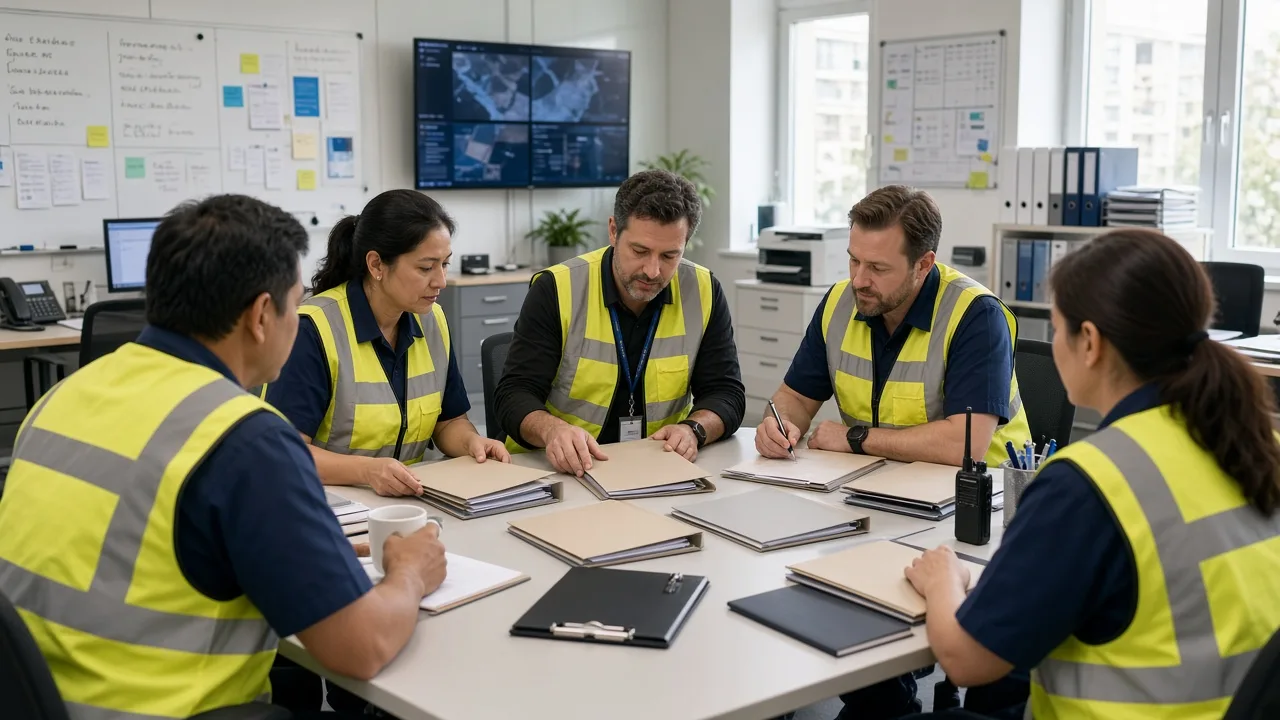
Create an original emergency management platform inspired by common disaster response workflows, with customized incident management, resource coordination, emergency operations, damage assessment, recovery tracking, and reporting.
Explore disaster management technology concepts designed for emergency management agencies, government departments, humanitarian organizations, enterprises, healthcare organizations, logistics teams, first responders, and other authorized organizations.
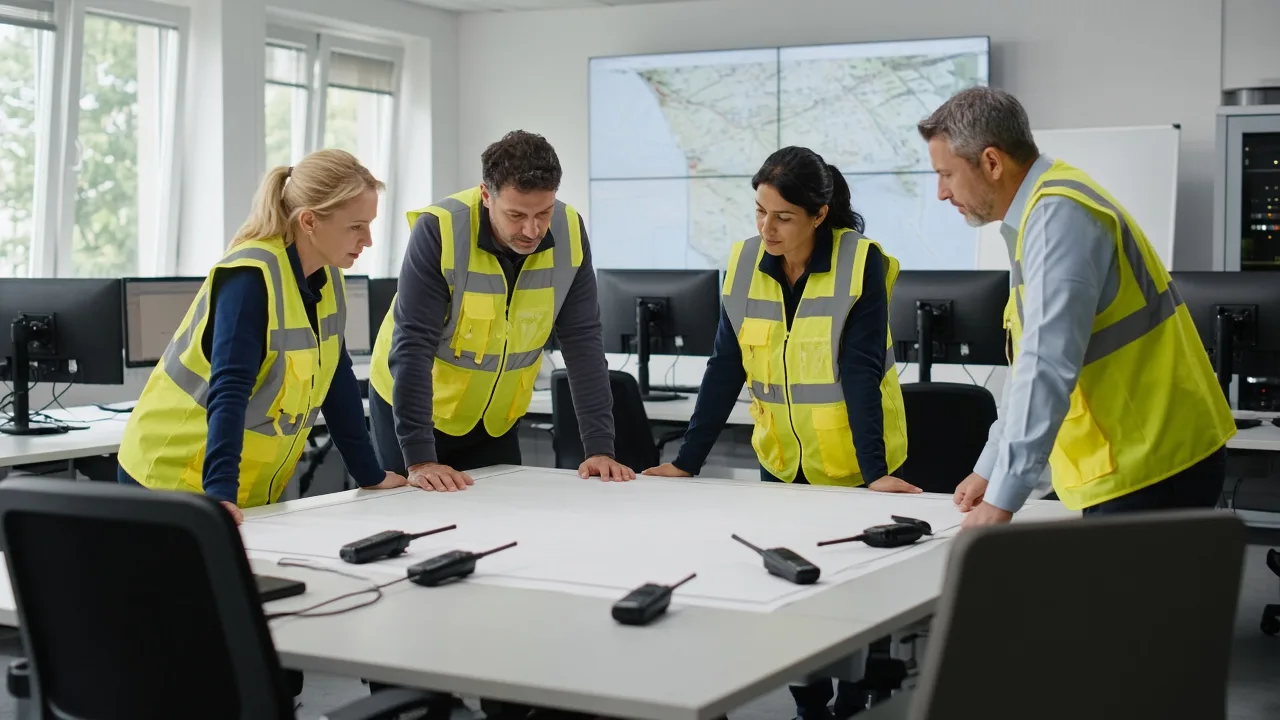
A centralized disaster management concept supporting incident tracking, response teams, emergency alerts, resource allocation, operational tasks, GIS information, shelters, communications, reporting, and administrative controls.
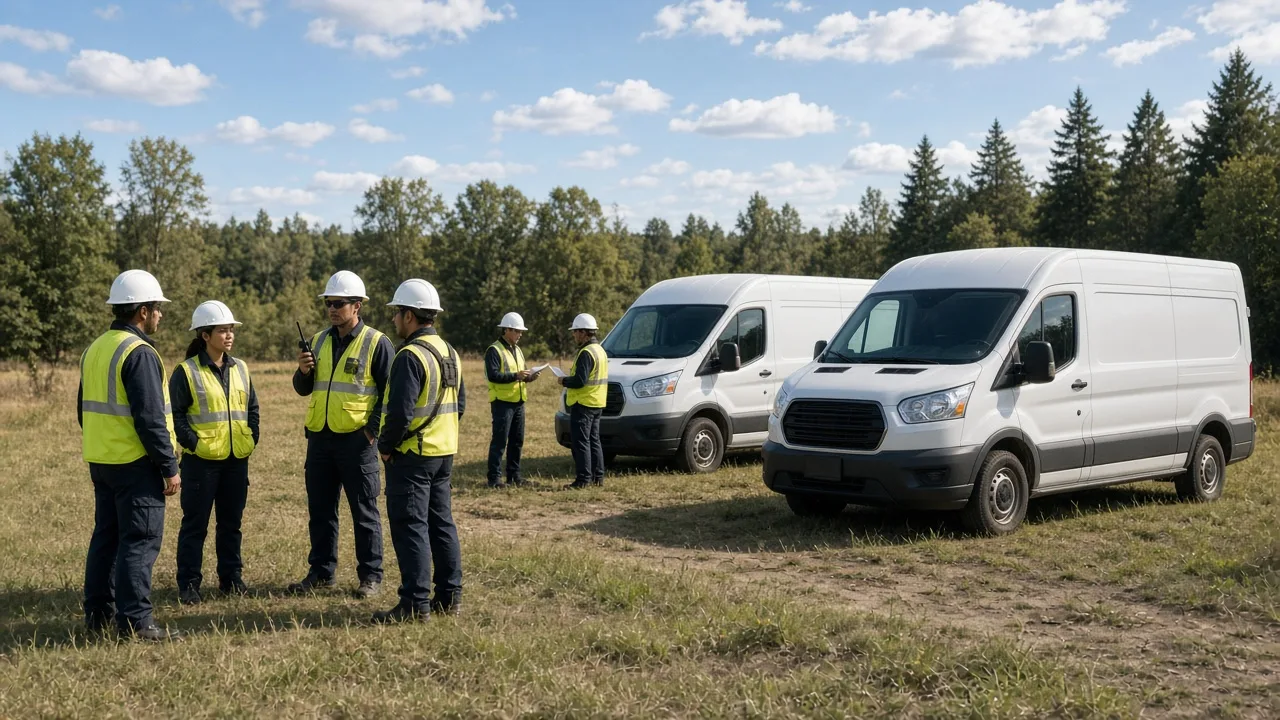
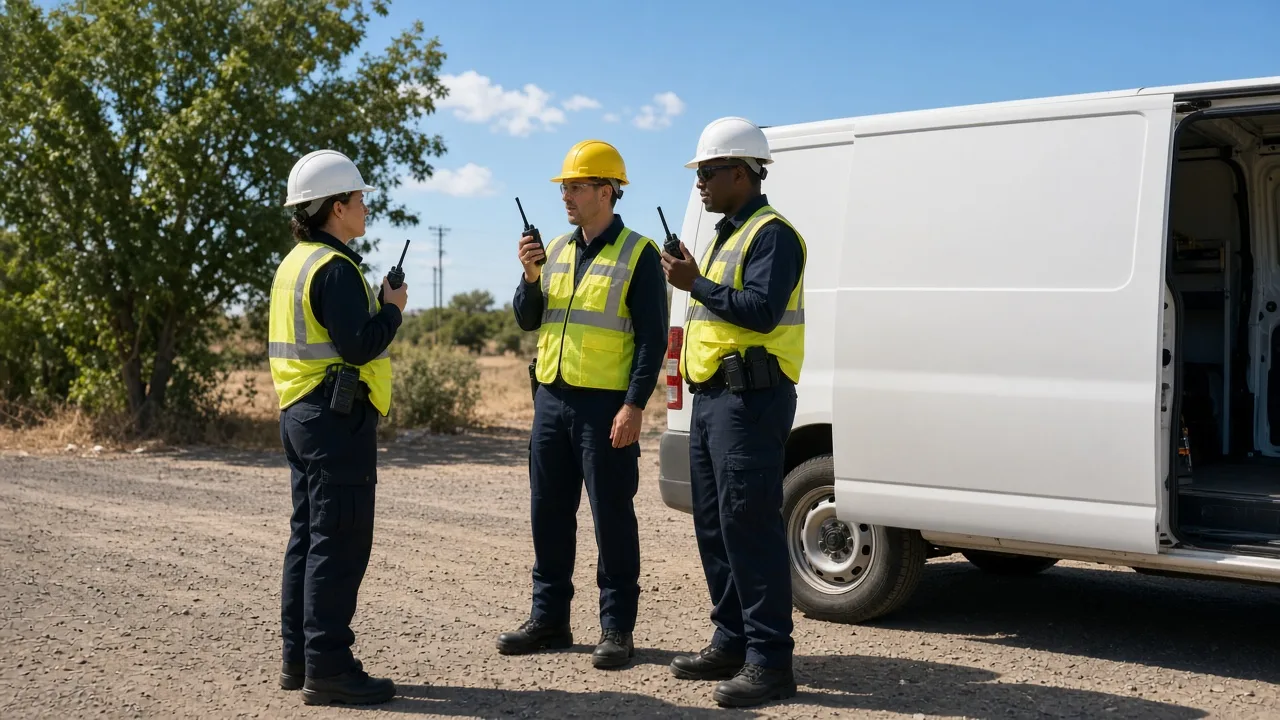
A response focused platform supporting emergency teams, task assignments, vehicles, equipment, supplies, shelters, personnel, communications, operational updates, and resource availability.

An emergency communication concept supporting authorized alerts through SMS, push notifications, email, web alerts, and other approved channels with configurable recipient groups, priority levels, incident types, and geographic areas.

A resource focused platform supporting emergency equipment, vehicles, supplies, personnel, shelters, relief materials, inventory, allocations, movement, availability, and operational status.
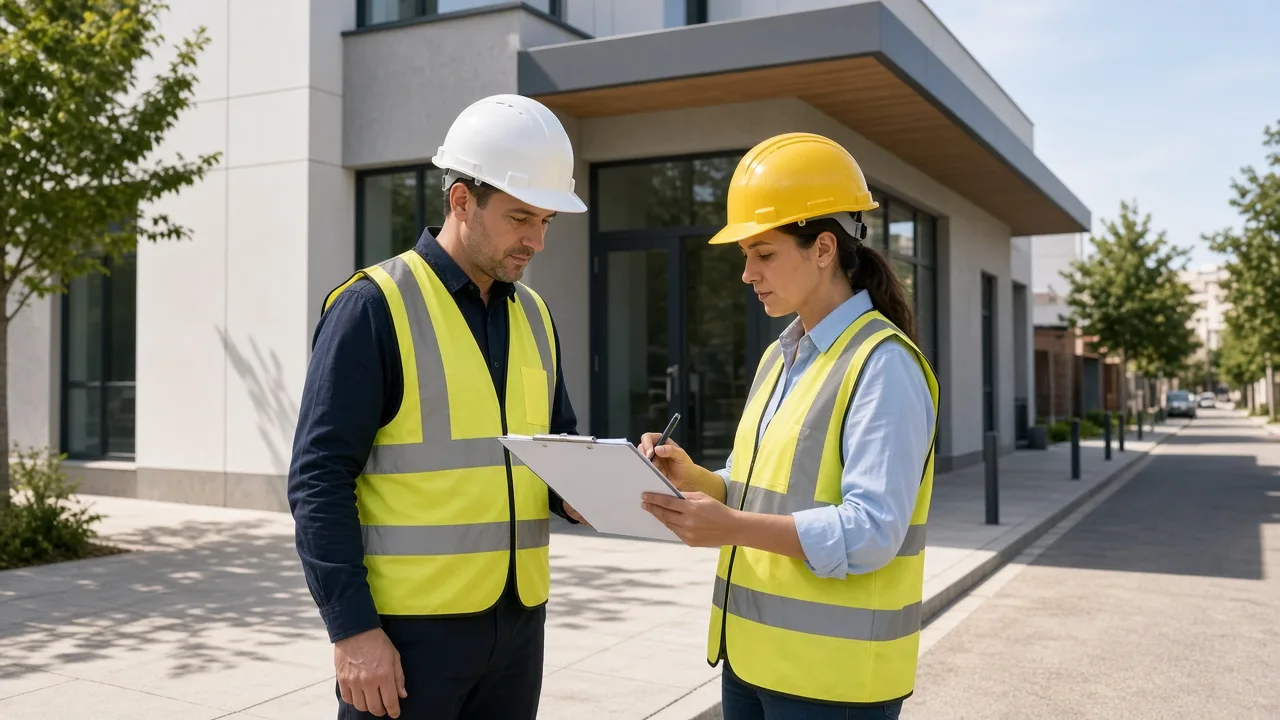
A recovery focused concept supporting damage assessments, restoration activities, recovery projects, resource requirements, responsible teams, milestones, documentation, progress tracking, and reporting.
A complete disaster management platform needs connected features for emergency managers, responders, government teams, humanitarian organizations, logistics teams, volunteers, administrators, and other authorized users. Each experience should support preparedness, response, communication, resource coordination, relief, recovery, and reporting.
Give authorized emergency management teams centralized tools to monitor incidents, coordinate response activities, manage resources, send alerts, review maps, assign tasks, and monitor operational status.
Help authorized teams create, update, classify, assign, monitor, and close emergency incidents while maintaining operational records and appropriate activity history.
Track emergency resources, equipment, vehicles, supplies, personnel, shelters, relief materials, and other authorized assets throughout preparedness and response operations.
Provide authorized teams with tools to prepare and manage emergency notifications through supported channels while controlling recipients, priority, incident type, geographic areas, and message status.
Feature priorities should reflect your emergency response structure, geographic coverage, incident types, number of users, resource requirements, communication channels, GIS needs, integrations, security requirements, operational continuity, and long term disaster management goals. Techanic Infotech can help define the appropriate feature set before development begins.
Techanic Infotech is committed to delivering high quality software through strong engineering, transparent communication, and long term client partnerships. Our reputation is built on successful project delivery, client satisfaction, and continuous innovation across mobile and web application development.
Explore our verified client reviews, business profiles, technology expertise, and successful project deliveries to learn why businesses choose Techanic Infotech as their technology partner.
Get a clearer view of your disaster management platform before development begins. Techanic Infotech can help define emergency preparedness, incident management, alerts, response coordination, resource tracking, evacuation planning, shelter management, GIS mapping, damage assessment, relief operations, recovery workflows, reporting, integrations, security requirements, technology choices, and long term platform priorities.
Emerging technologies can support disaster preparedness, emergency response, resource coordination, situational awareness, communication, damage assessment, and recovery. These capabilities should complement trained emergency personnel and established response procedures rather than replace authorized decision making.
Help authorized emergency teams quickly find approved information about incidents, response procedures, resources, shelters, emergency plans, teams, tasks, and operational documentation through a controlled AI powered interface.
Assist authorized teams with drafting emergency notifications, public information updates, internal alerts, evacuation messages, preparedness communications, and recovery announcements while keeping final messages under human review.
Analyze approved incident information such as severity, location, affected areas, available resources, and operational status to help authorized teams organize response priorities. Final prioritization remains with designated emergency personnel.
Analyze approved information about personnel, equipment, vehicles, supplies, shelters, and operational requirements to help authorized teams identify potential resource gaps and allocation options.
Use historical and approved operational data to identify patterns that may help emergency teams with preparedness planning, resource forecasting, infrastructure planning, and response readiness. Such outputs should be treated as decision support information rather than guaranteed predictions.
Combine approved geographic information with incident records, evacuation areas, shelters, response teams, infrastructure, and resources to help authorized users understand operational conditions through interactive maps and location based dashboards.
Where appropriate and legally permitted, computer vision systems can assist with organizing and analyzing authorized images of affected infrastructure, buildings, roads, or other assets to support damage assessment workflows. Human review should remain part of consequential assessment processes.
Connect approved sensors and IoT devices to monitor environmental or infrastructure indicators such as temperature, water levels, air quality, equipment status, or other relevant conditions, subject to the capabilities and reliability of the deployed hardware.
Assist authorized teams with organizing recovery updates, restoration activities, resource usage, project milestones, damage records, and approved reports to improve visibility across longer term recovery operations.
Disaster management technology providers can structure revenue around software licensing, subscriptions, government and enterprise agreements, implementation, integrations, emergency communication modules, analytics, maintenance, and managed technology services. Commercial models should account for procurement requirements, contractual obligations, security requirements, and the target market.
Creates software licensing revenue based on contractual terms
Provide disaster management software under defined licensing agreements for government agencies, emergency organizations, enterprises, humanitarian groups, and other eligible customers based on their operational requirements.
Select a model on the ring to explore the revenue mix.
“Our project required incident management, emergency notifications, resource coordination, reporting, and multiple user roles. The development team helped us structure the requirements and maintained clear communication throughout the project.”
“We needed a platform connecting response teams, resources, shelters, emergency communications, and operational reporting. The team worked with us to prioritize the workflows required for our initial implementation.”
“Our platform required resource tracking, incident records, GIS information, alerts, reporting, and controlled user access. The development team remained responsive as we refined the technical requirements.”
“We needed a scalable system for incident coordination, emergency notifications, resource management, recovery tracking, and administration. The team helped translate our operational requirements into a structured technology plan.”
Disaster management platforms require dependable incident coordination, emergency communication, resource tracking, GIS capabilities, security, operational continuity, reporting, and scalable infrastructure. Techanic Infotech brings product discovery, design, development, testing, deployment, and maintenance together for organizations building modern disaster management technology.
Design connected experiences for emergency managers, responders, government teams, humanitarian organizations, logistics teams, volunteers, administrators, and other authorized users around defined disaster management workflows.
Work with an in house team covering product planning, UI and UX design, software development, quality assurance, and technical delivery while maintaining structured communication throughout the project.
Build incident management systems, emergency alert platforms, resource management solutions, evacuation tools, shelter management systems, GIS dashboards, damage assessment platforms, recovery management solutions, reporting systems, and connected backend services within one technology strategy.
Incorporate appropriate authentication, role based access, encryption, audit logging, monitoring, backup, recovery, secure integrations, and infrastructure controls according to the system's operational requirements and risk profile.
Select technologies and architecture based on incident volume, geographic coverage, emergency communications, resource tracking, GIS requirements, integrations, security considerations, expected usage, operational continuity, and future platform requirements.
Continue supporting the platform after release through maintenance, issue resolution, technical updates, monitoring, security improvements, integration support, performance optimization, reporting enhancements, and ongoing technical assistance aligned with approved requirements.
Choose technologies according to incident management, emergency alerts, GIS mapping, resource tracking, evacuation planning, responder coordination, shelter management, reporting, integrations, security, scalability, and operational continuity.
Swipe or tap to switch tech categories
A structured development process helps turn a disaster management concept into a dependable digital platform with clearly defined preparedness, incident response, communication, resource, GIS, recovery, security, and operational requirements.
Start by understanding your emergency response structure, incident types, geographic coverage, authorized users, preparedness plans, response teams, resources, emergency communication channels, evacuation requirements, shelter operations, GIS needs, integrations, security controls, reporting requirements, and recovery workflows. Define the product scope and technical direction before design begins.
Find practical answers about disaster management software development costs, timelines, features, emergency alerts, incident management, GIS, resource tracking, security, integrations, hiring, deployment, and ongoing support.
Explore practical insights about disaster management software, emergency response technology, incident management, emergency alerts, resource coordination, GIS mapping, evacuation planning, shelter management, damage assessment, disaster recovery, artificial intelligence, security, and operational resilience.