0
Satisfied Customers
eScooter App
Build connected eScooter rental and mobility platforms for riders, fleet operators, charging teams, and urban mobility businesses.
Techanic Infotech develops eScooter applications that connect riders, fleet operators, charging teams, maintenance staff, mobility businesses, and administrators through one digital platform. We build solutions for scooter discovery, QR based unlock, ride activation, live maps, trip tracking, digital payments, subscriptions, ride history, parking zones, geofencing, battery monitoring, fleet management, IoT connectivity, maintenance workflows, and operational analytics. Our development approach focuses on fast rider onboarding, reliable location services, secure payments, real time fleet visibility, scalable IoT architecture, and smooth mobile experiences for shared mobility startups, rental operators, campuses, resorts, business parks, and smart transportation platforms.
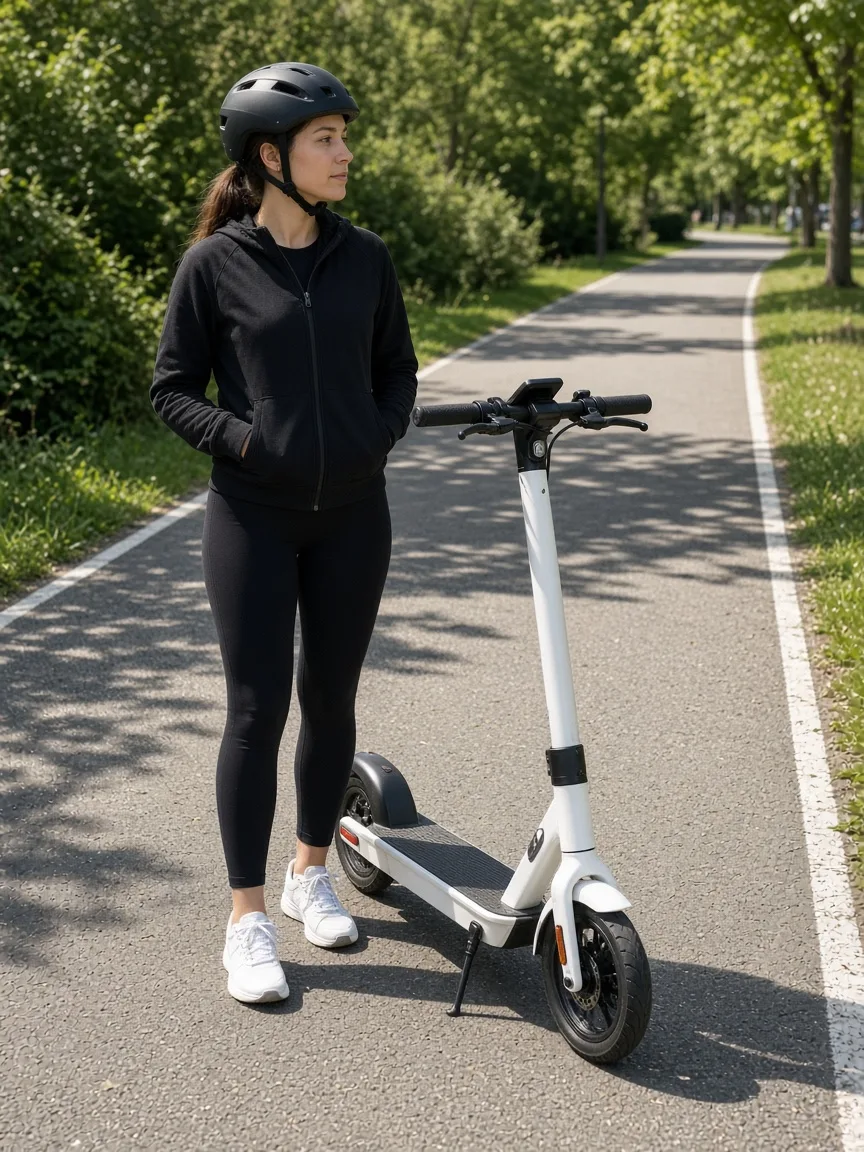
eScooter platforms require reliable maps, IoT communication, fleet visibility, secure payments, geofencing, rider management, and coordinated maintenance workflows.
We provide eScooter app development services for shared mobility startups, scooter rental businesses, transportation companies, campuses, resorts, commercial properties, local mobility operators, and multi city fleet businesses.
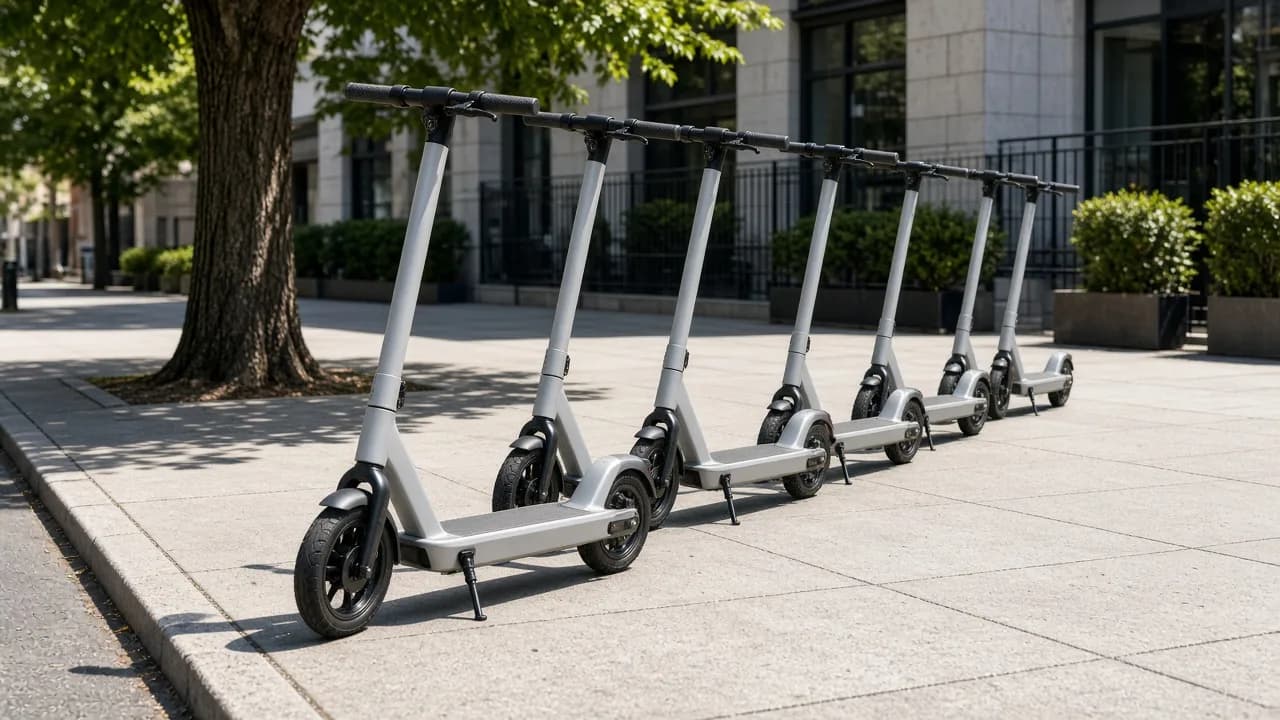
Build a custom eScooter application around your fleet model, service areas, pricing, ride rules, scooter hardware, payment methods, subscriptions, geofencing, parking policies, maintenance requirements, and operational workflows.
Whether you are planning a shared scooter rental app, private fleet platform, campus mobility solution, multi city rental system, or IoT connected micro mobility product, Techanic Infotech can help define rider journeys, scooter connectivity, maps, pricing, payments, geofencing, fleet operations, and scalable architecture.
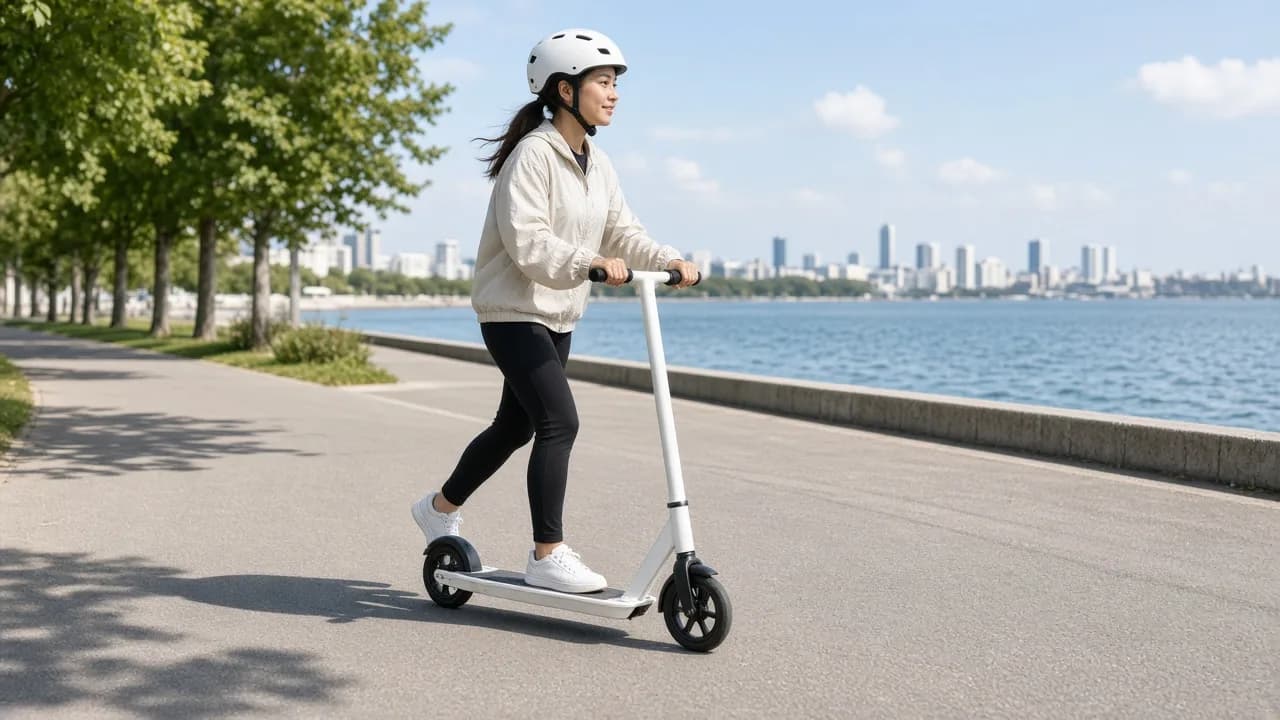
eScooter businesses operate with different fleet sizes, service areas, pricing models, hardware providers, parking policies, and operational teams. We build solutions around how riders access scooters and how operators manage them.
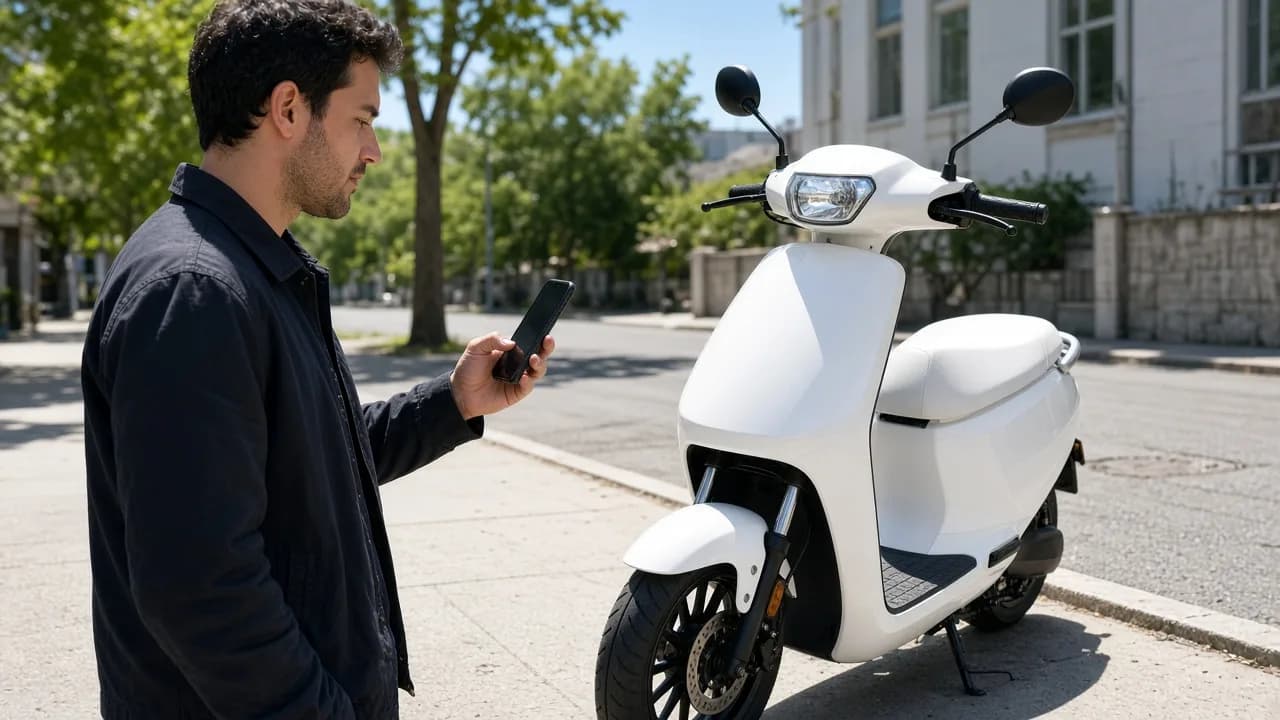
Build on demand scooter rental applications with registration, nearby scooter discovery, QR unlock, ride tracking, payments, ride history, parking guidance, and customer support.
eScooter applications may process rider identities, payment information, location data, ride histories, device information, fleet records, and operational data. Security and compliance requirements vary by jurisdiction, transport rules, local mobility policies, and business model, so software should support applicable requirements without treating technology alone as a guarantee of compliance.
Collect only the rider, location, payment, fleet, and operational data necessary for ride and platform functionality.
Support secure authentication, account recovery, protected sessions, and configurable security controls.
Separate permissions for riders, fleet managers, maintenance teams, charging staff, support users, finance teams, and administrators.
Use clear permissions and suitable controls for scooter locations, rider location, trip routes, service zones, and navigation features.
Use trusted payment providers for ride charges, subscriptions, passes, deposits, refunds, and other supported transactions.
Maintain suitable histories of ride start, ride end, duration, scooter usage, payments, and operational events according to business requirements.
Support configurable riding, speed, parking, restricted, and service zones where local operations require them.
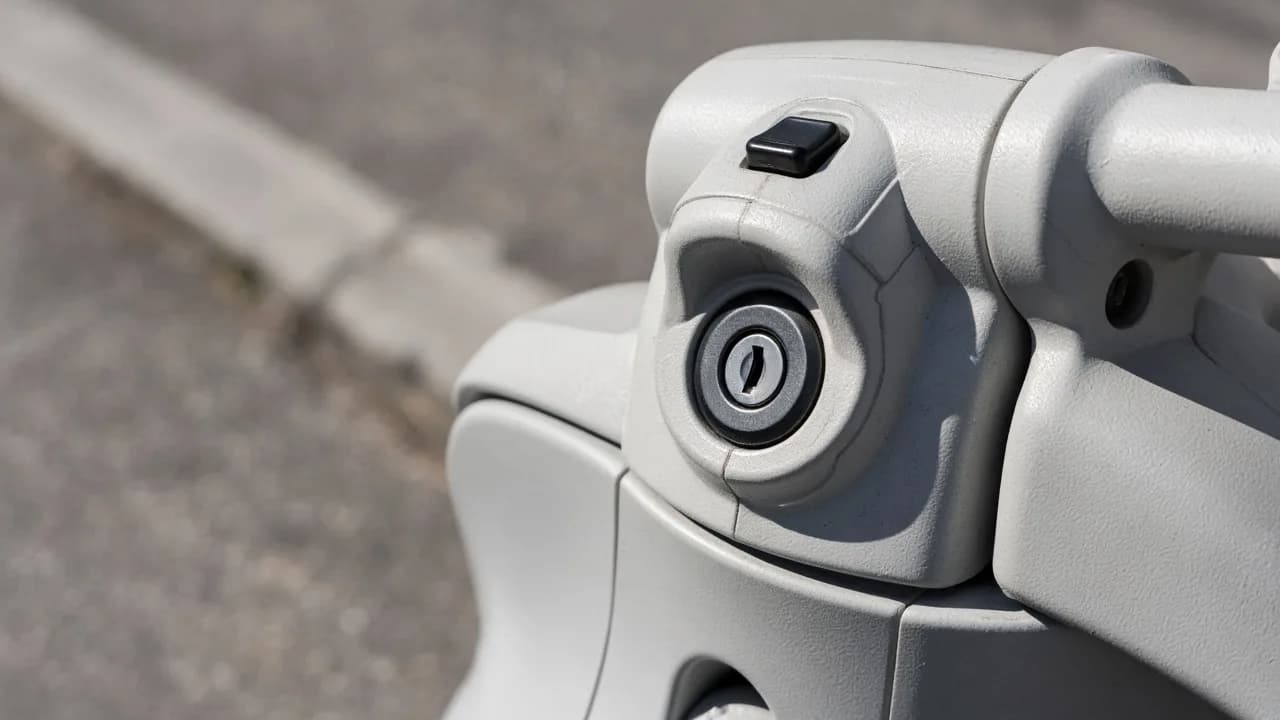
Use secure communication, device authentication, API protection, and credential controls for connected scooter hardware.
Apply suitable encryption practices for sensitive information in transit and, where appropriate, at rest.
Test authentication, payments, QR unlocking, IoT connectivity, maps, geofencing, ride workflows, permissions, APIs, and administrative tools before production launch.
Techanic Infotech can build original eScooter and micro mobility applications inspired by familiar shared transportation experiences while using custom branding, architecture, workflows, interfaces, and source code without copying proprietary technology or protected assets.
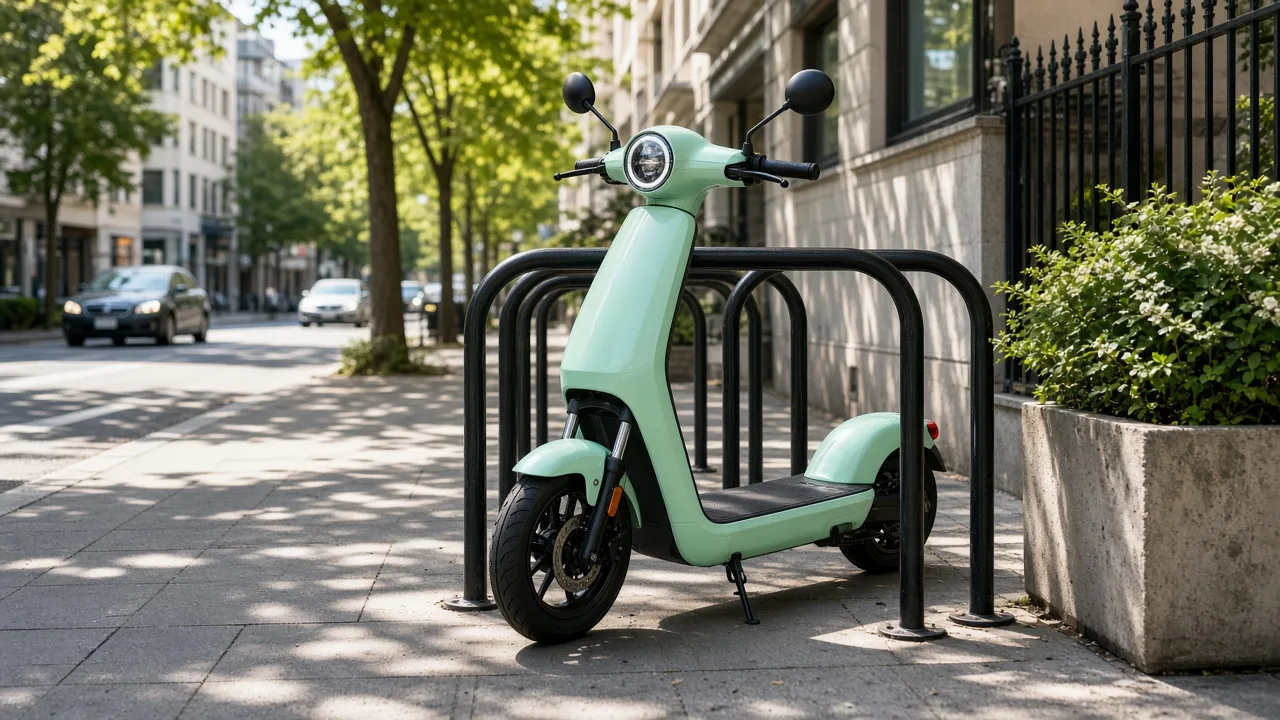
Tap to flip and read details
Build an original scooter rental experience with nearby vehicle discovery, QR unlock, ride tracking, payments, passes, parking guidance, and rider accounts.
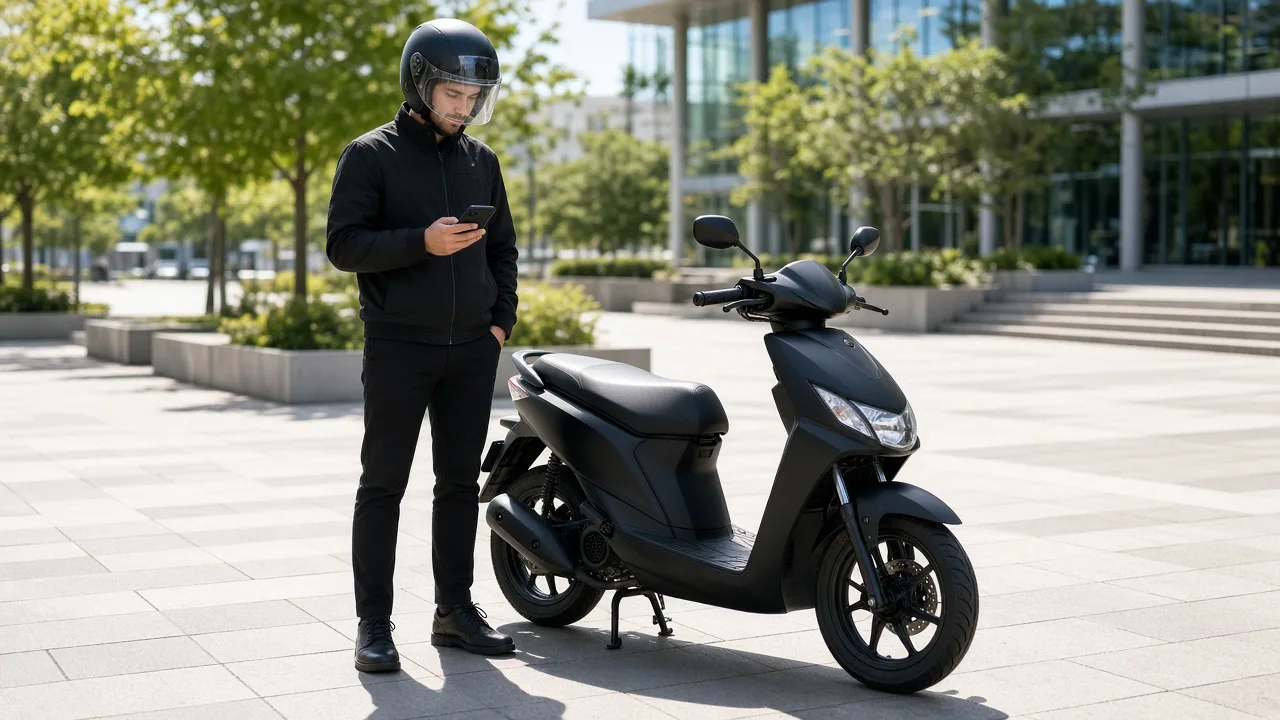
Tap to flip and read details
Develop a shared mobility platform with scooter maps, battery visibility, ride activation, pricing, trip history, parking zones, and fleet management.
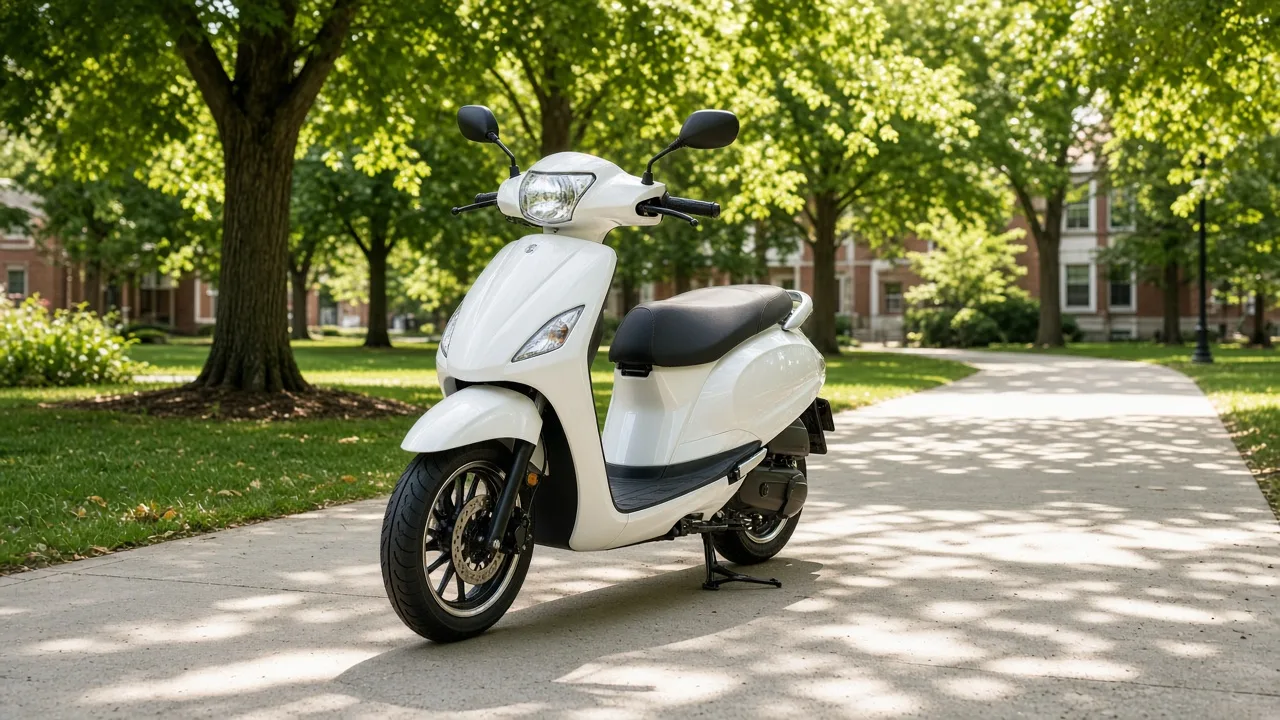
Tap to flip and read details
Create an original eScooter rental application with rider onboarding, map based discovery, vehicle unlock, safety information, ride management, and payment functionality.
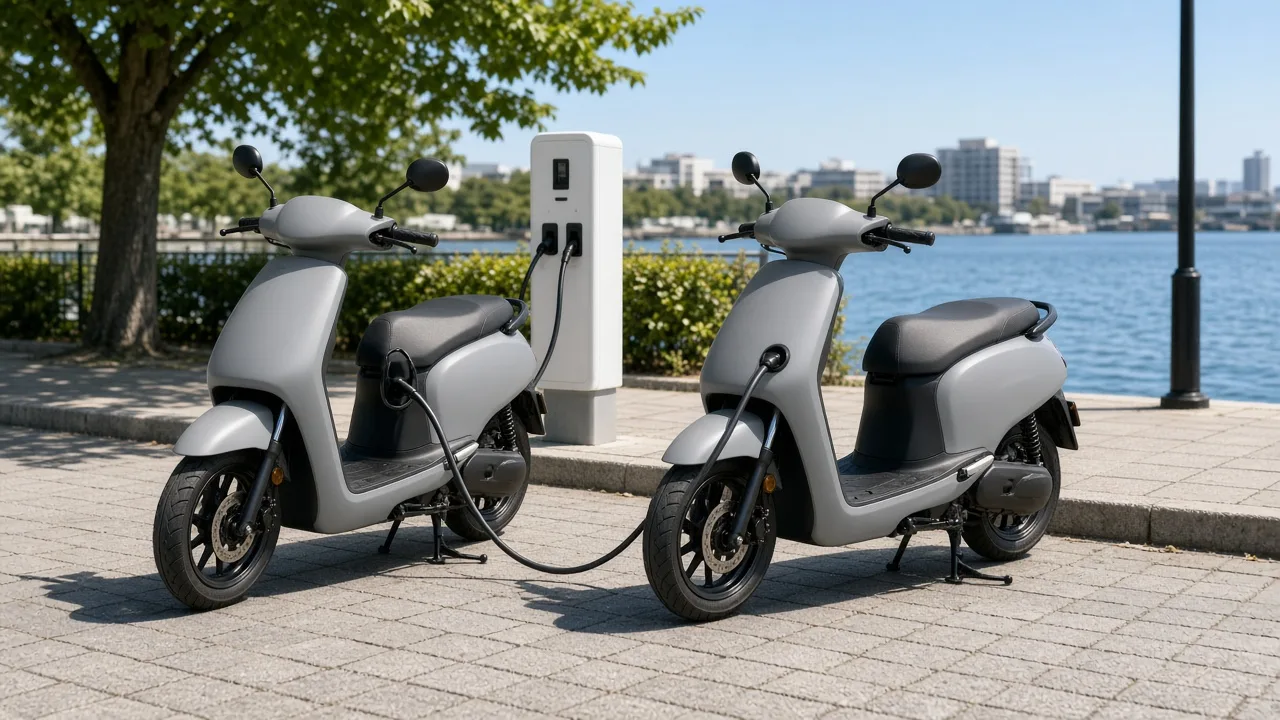
Tap to flip and read details
Build a micro mobility experience with scooter rentals, passes, subscriptions, parking controls, ride history, and connected fleet operations.
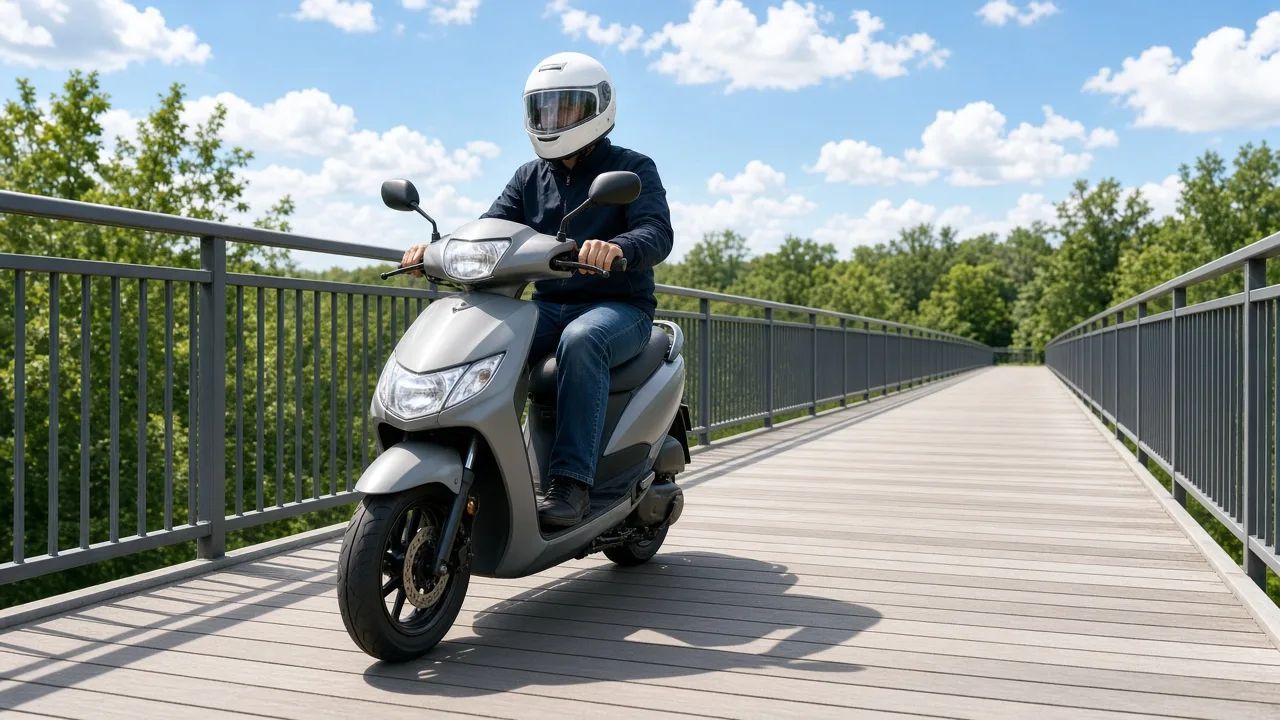
Tap to flip and read details
Develop an original urban mobility platform with scooter discovery, QR access, ride pricing, geofencing, trip information, parking guidance, and support features.
The following conceptual examples illustrate eScooter and micro mobility products that can be developed for rental companies, private properties, campuses, and urban mobility businesses.

A shared scooter application with map based discovery, QR unlock, battery status, ride tracking, digital payments, parking guidance, and trip history.
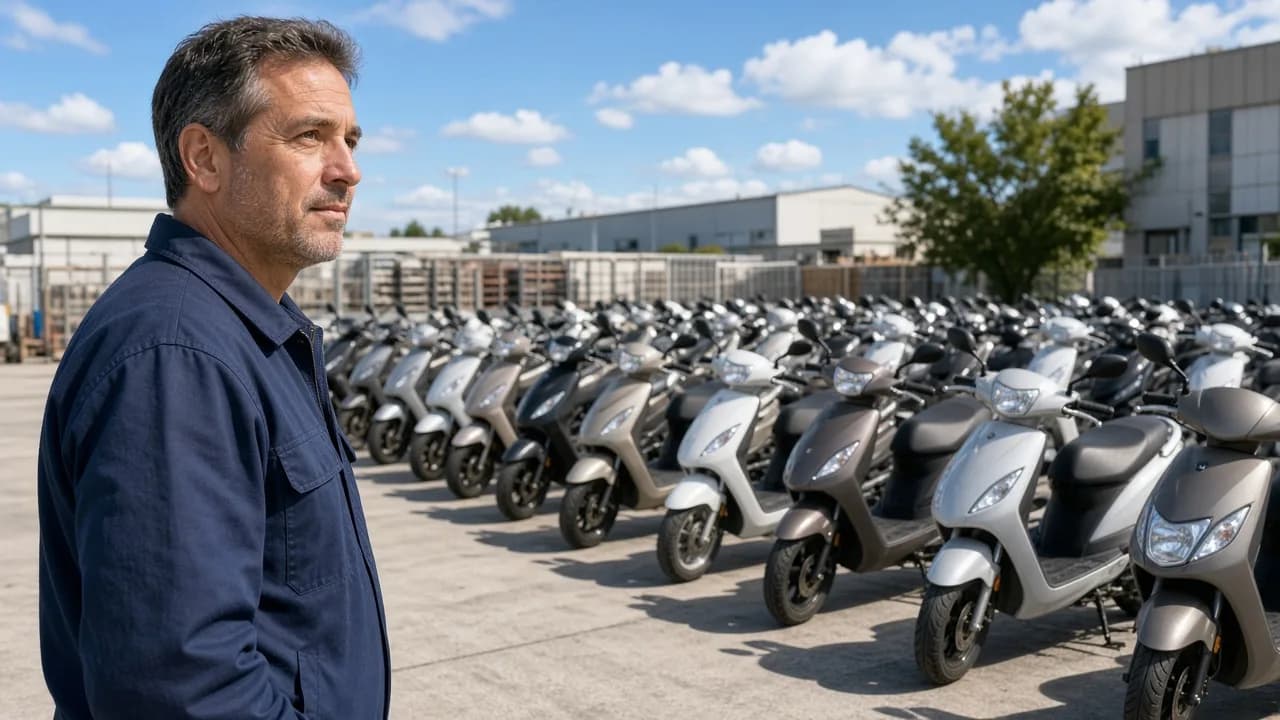
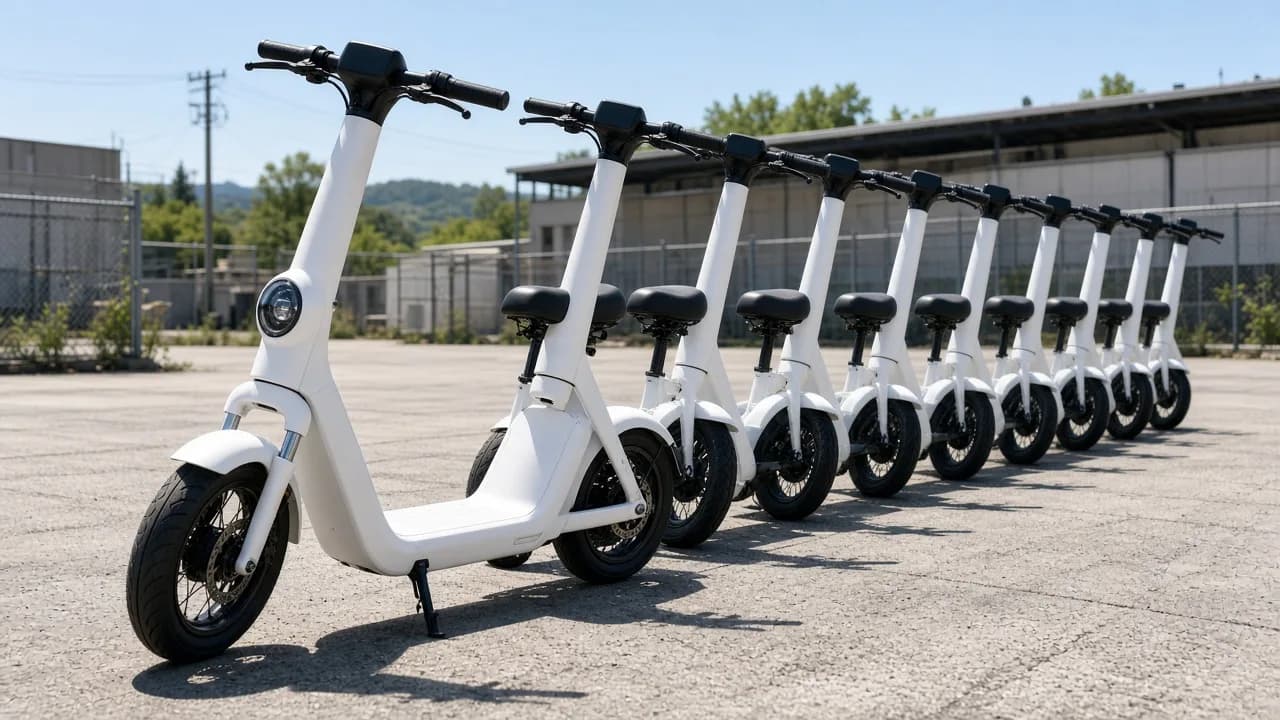
A fleet management product for scooter locations, battery status, vehicle availability, ride activity, maintenance tasks, charging operations, and fleet analytics.

A controlled eScooter system for universities or business campuses with defined zones, eligible users, scooter locations, access rules, rides, and administrative reporting.
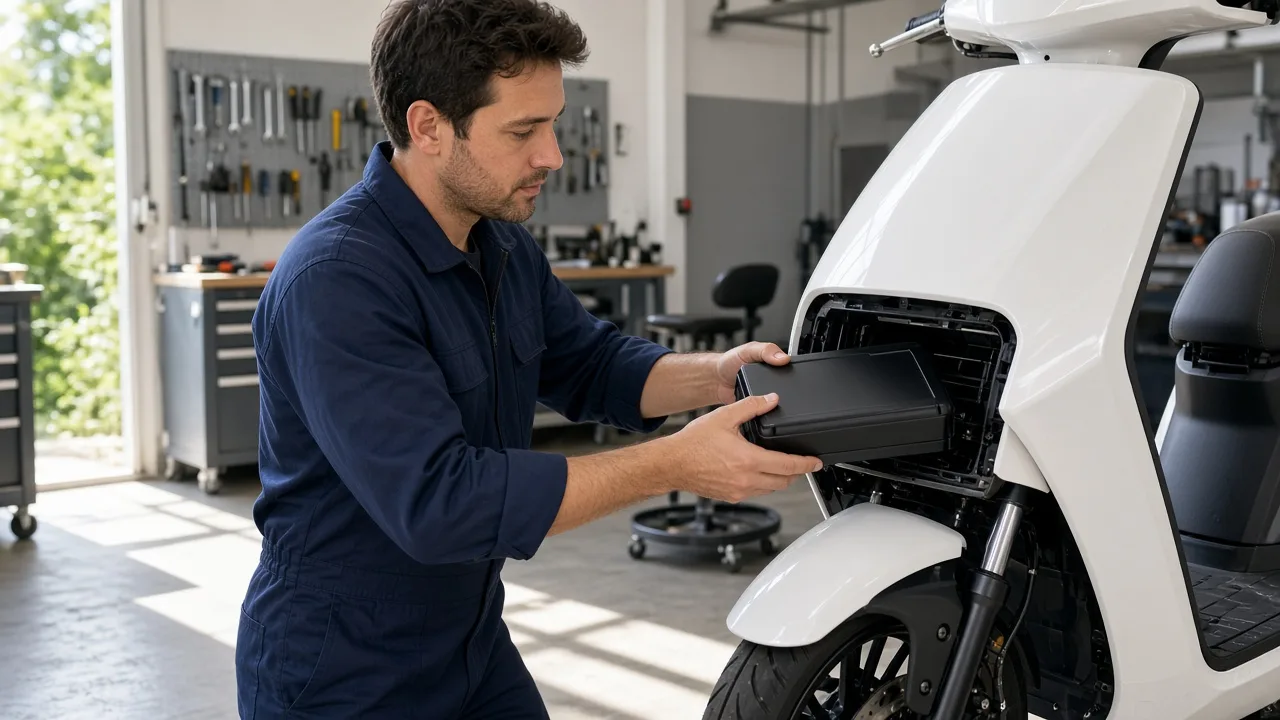
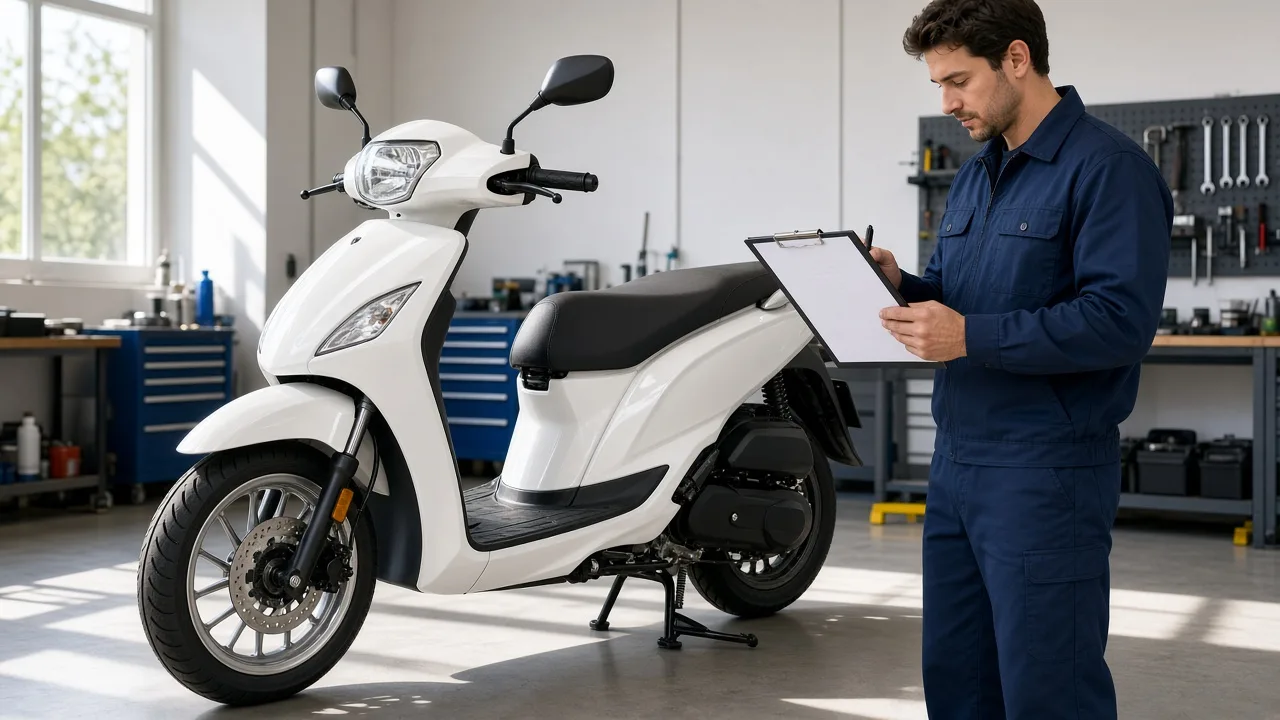
A field operations app for charging, battery swaps, scooter relocation, inspections, repairs, and vehicle readiness.
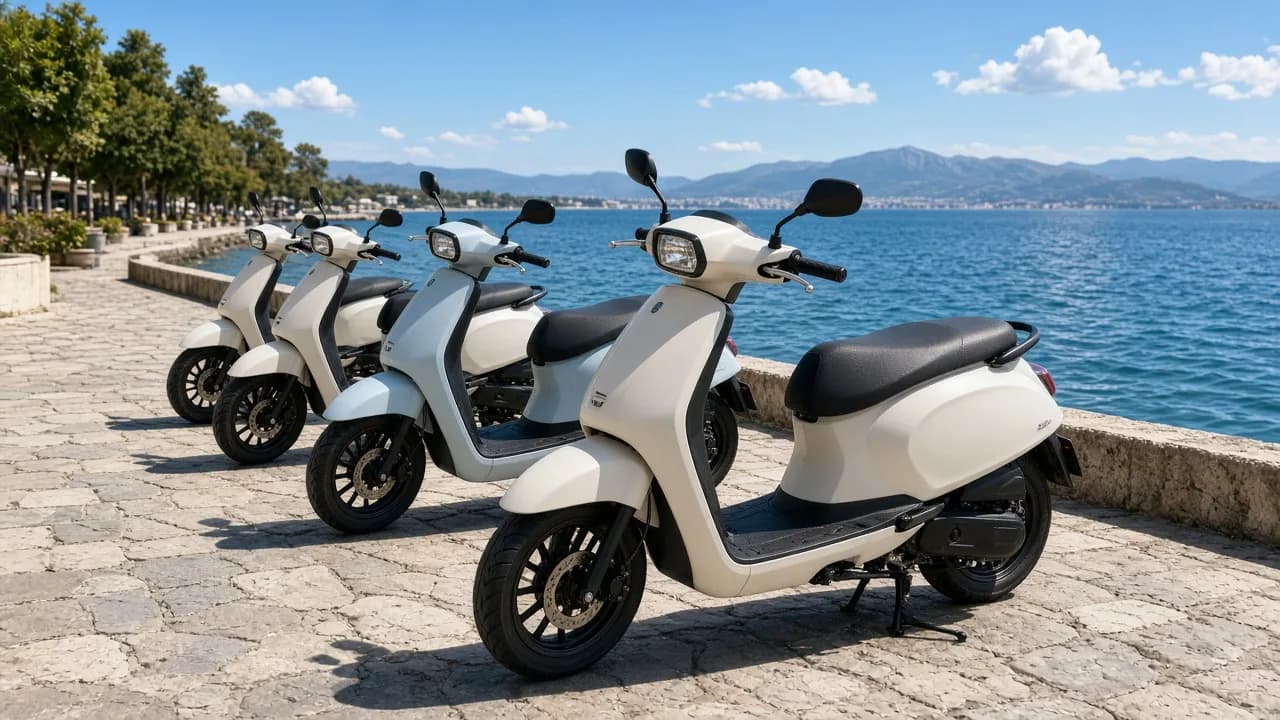
A multi city mobility platform with city specific fleets, pricing, geofences, operational teams, promotions, subscriptions, and centralized business analytics.
eScooter platforms require coordinated functionality for riders, administrators, and fleet or maintenance teams.
Features that help riders find scooters, start trips, manage payments, and review ride activity.
Central controls for users, scooters, pricing, zones, payments, and platform operations.
Operational tools for teams managing scooter readiness, charging, relocation, and repairs.
The final feature set should reflect fleet size, scooter hardware, pricing model, service areas, ride rules, payment methods, geofencing requirements, maintenance operations, and future expansion plans.
Techanic Infotech is committed to delivering high quality software through strong engineering, transparent communication, and long term client partnerships. Our reputation is built on successful project delivery, client satisfaction, and continuous innovation across mobile and web application development.
Explore our verified client reviews, business profiles, technology expertise, and successful project deliveries to learn why businesses choose Techanic Infotech as their technology partner.
Techanic Infotech can help define rider journeys, scooter connectivity, service zones, pricing, payments, subscriptions, geofencing, fleet operations, maintenance, IoT data, analytics, security controls, and scalable technical architecture.
AI, IoT, geospatial technology, automation, and analytics can improve fleet visibility and mobility operations when used with reliable data and appropriate operational oversight.
Analyze ride demand, scooter availability, location activity, time periods, and historical patterns to help operations teams identify areas where vehicles may need redistribution.
Use scooter telemetry, mileage, fault codes, battery information, repair history, and inspection data to help prioritize vehicles for maintenance review.
Analyze charging activity, ride frequency, battery levels, and location patterns to support charging and battery replacement planning.
Use operational data to help teams review parking, high demand, restricted, or low usage zones while final zone configuration remains under operator control.
Assist users with routine questions about ride status, scooter unlocking, payments, parking requirements, subscriptions, and account navigation.
Identify unusual device events such as inconsistent location, lock status, battery readings, or connectivity behavior for operational review.
Analyze trips, fleet utilization, ride duration, revenue, scooter availability, maintenance demand, subscription activity, and service zone performance.
eScooter applications can support multiple revenue models depending on whether the business operates shared vehicles, private fleets, subscriptions, partnerships, or licensed mobility technology.
Align revenue directly with scooter usage.
Charge riders based on unlock fees, ride duration, trip distance, fixed ride prices, or other configured pricing rules.
Select a model on the ring to explore the revenue mix.
“Our project needed rider apps, scooter connectivity, maps, and fleet operations to work as one system. The team helped us structure those components clearly and kept communication consistent.”
“Geofencing and fleet visibility were important because our service areas changed frequently. The development team made those controls manageable for operations staff.”
“We needed controlled access, defined riding zones, and clear fleet reporting for a private campus deployment. The platform structure worked well for those requirements.”
“IoT connectivity and reliable ride activation were central to the product. The team stayed responsive through device testing and helped us refine the rider experience.”
eScooter applications combine mobile apps, IoT hardware, maps, payments, geofencing, fleet operations, maintenance, subscriptions, and real time data. A capable development partner should understand how these components work together across the complete mobility experience.
We structure platforms around rider onboarding, scooter discovery, QR unlocking, ride activation, geofencing, payments, trip history, fleet operations, maintenance, charging, and customer support.
Product strategists, UX designers, mobile and web developers, backend engineers, IoT specialists, quality engineers, and project managers collaborate throughout development.
Build rider apps, field operations tools, admin dashboards, backend APIs, IoT integrations, databases, maps, payments, notifications, analytics, and fleet management as one connected product.
Develop functionality in structured stages so mobility operations, fleet teams, maintenance staff, product stakeholders, and technical teams can review workflows throughout implementation.
Select architecture around fleet size, IoT message volume, map traffic, ride frequency, payment activity, service zones, concurrent riders, and future geographic expansion.
Continue improving the platform through maintenance, scooter hardware updates, map changes, payment integration updates, security enhancements, performance optimization, and new mobility features.
eScooter platforms require technology capable of supporting mobile applications, IoT communication, real time location, maps, payments, ride activity, geofencing, analytics, and secure fleet operations.
Swipe or tap to switch tech categories
We structure eScooter development around riders, scooters, IoT connectivity, maps, payments, fleet operations, geofencing, maintenance, security, and future scalability.
We define rider types, scooter hardware, fleet size, service areas, pricing, subscriptions, ride rules, lock functionality, geofences, parking requirements, maintenance processes, integrations, security expectations, and business objectives.
These answers cover common questions about planning, developing, monetizing, launching, integrating, and scaling eScooter applications.
Explore articles covering eScooter app development, scooter rental platforms, micro mobility software, IoT fleet management, geofencing, smart locks, scooter payments, fleet analytics, predictive maintenance, urban mobility technology, and shared transportation trends.