0
Satisfied Customers
Grocery Delivery App Development
Build convenient grocery platforms that connect customers, stores, delivery partners, and administrators through seamless shopping and delivery experiences.
A grocery delivery app development company can bring product discovery, categories, search, cart management, checkout, payments, order tracking, delivery scheduling, notifications, and store management into one connected platform. Techanic Infotech builds flexible grocery solutions around your business model, target customers, inventory workflows, delivery operations, integrations, and long term growth plans.
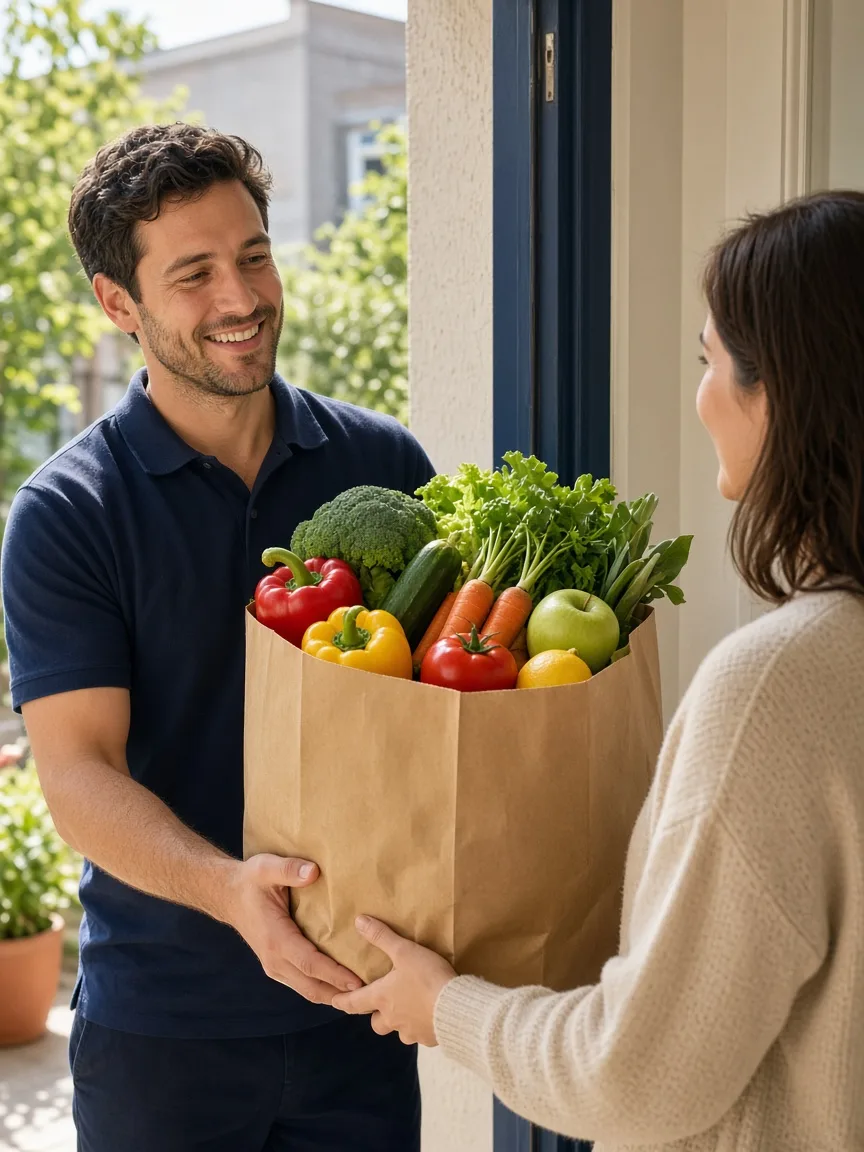
Build a dependable grocery delivery platform with experienced developers, focused communication, and practical support from product discovery through launch and ongoing growth.
Create connected grocery shopping experiences for supermarkets, grocery stores, retailers, startups, wholesalers, and delivery businesses with product discovery, inventory, ordering, payments, delivery, and management features.
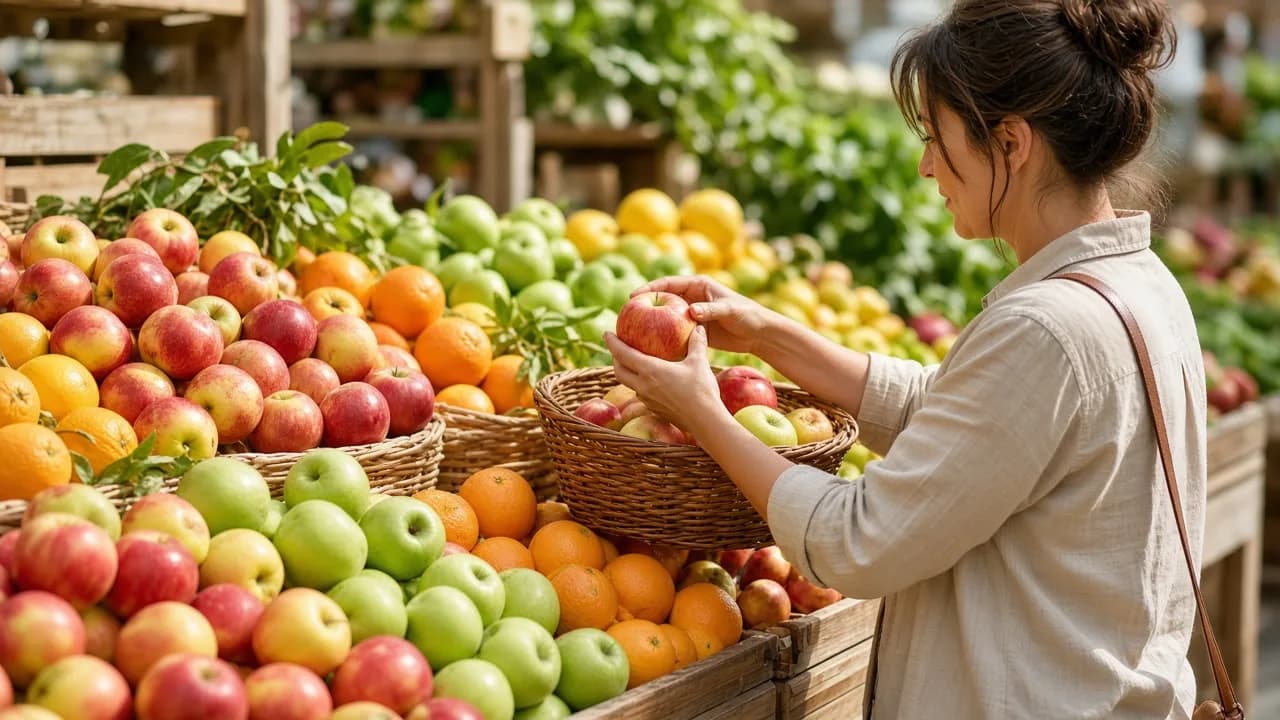
Build a grocery platform around your product catalog, customer base, store network, delivery model, pricing strategy, inventory workflows, integrations, and business goals. Create practical experiences for shoppers, stores, delivery partners, and administrators.
Bring product discovery, grocery catalogs, cart management, checkout, payments, inventory, order processing, delivery tracking, notifications, and store management into one connected platform. Techanic Infotech can shape the product around your business model, store network, customers, delivery operations, integrations, and growth plans.
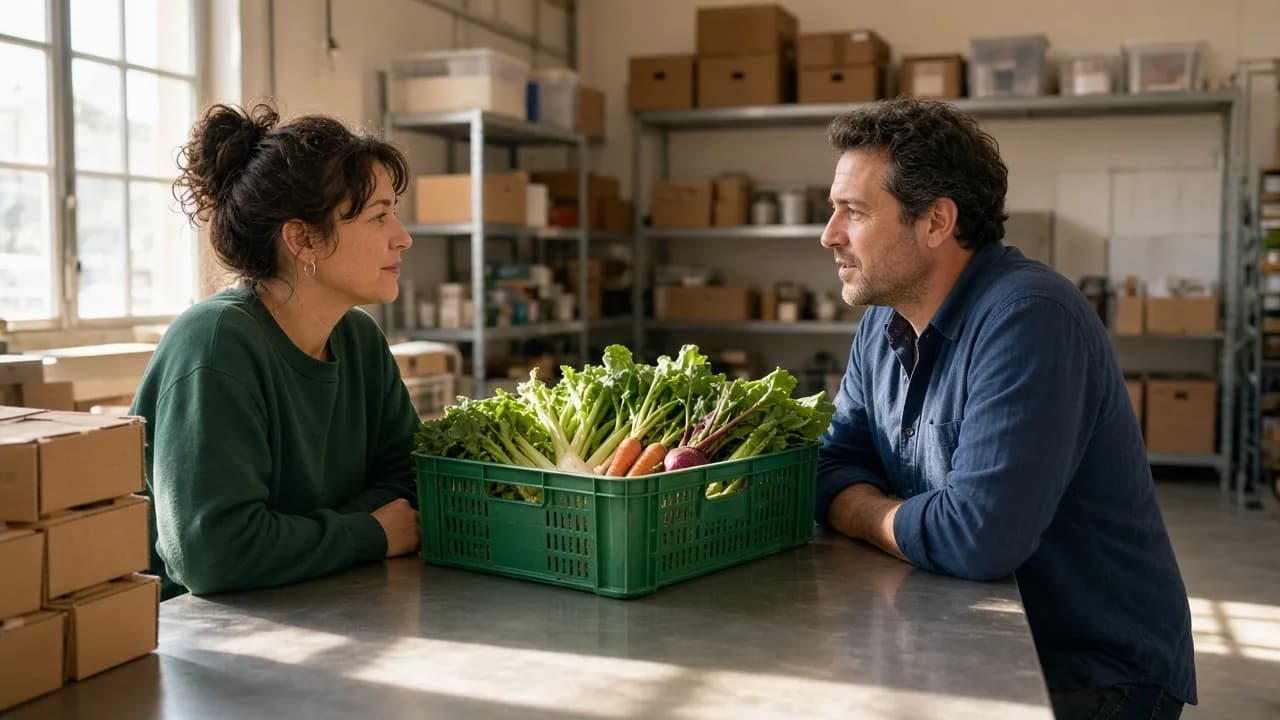
Build connected grocery shopping and delivery experiences for supermarkets, grocery stores, retailers, startups, wholesalers, cloud stores, and delivery businesses. Our solutions can adapt to different product catalogs, store models, inventory structures, delivery zones, pricing strategies, and customer journeys.
Create convenient shopping experiences with product discovery, categories, search, filters, product details, recommendations, cart management, checkout, payments, order history, and delivery scheduling.
Grocery platforms can handle customer accounts, addresses, payment information, order history, inventory, vendor information, delivery details, and other sensitive data. Security and privacy should be considered throughout architecture, development, testing, deployment, and maintenance.
Design data collection and usage around clear grocery platform requirements, appropriate permissions, privacy controls, and responsible handling of customer, vendor, order, and delivery information.
Protect customer, vendor, delivery partner, support, and administrator accounts with suitable authentication, session management, access controls, and security safeguards.
Protect grocery purchases, refunds, billing information, and payment transactions through appropriate payment integrations and secure transaction handling practices.
Give customers, store managers, delivery partners, support staff, finance teams, vendors, and administrators access according to their responsibilities and required platform permissions.
Handle customer profiles, addresses, order histories, preferences, delivery information, and other personal data through suitable access controls and platform safeguards.
Protect product catalogs, inventory records, pricing information, supplier details, store information, and other business data through appropriate permissions and platform controls.
Include monitoring capabilities that can help identify suspicious accounts, unusual orders, payment activity, promotional abuse, duplicate accounts, or other potentially fraudulent behavior for review.
Apply encryption appropriately to sensitive information stored by the platform and data transmitted between customers, stores, delivery partners, payment systems, and connected services.
Test registration, shopping carts, checkout, payments, orders, delivery workflows, vendor access, inventory, notifications, permissions, administration, and integrations to identify weaknesses before and after release.
Structure the platform to support applicable privacy, payment, consumer, data, and security requirements based on the target market, grocery business model, and operating structure.
Create an original grocery delivery platform inspired by familiar experiences from established grocery and delivery products. Your product can use its own brand, interface, workflows, features, and business model without copying source code, trademarks, or proprietary brand assets.
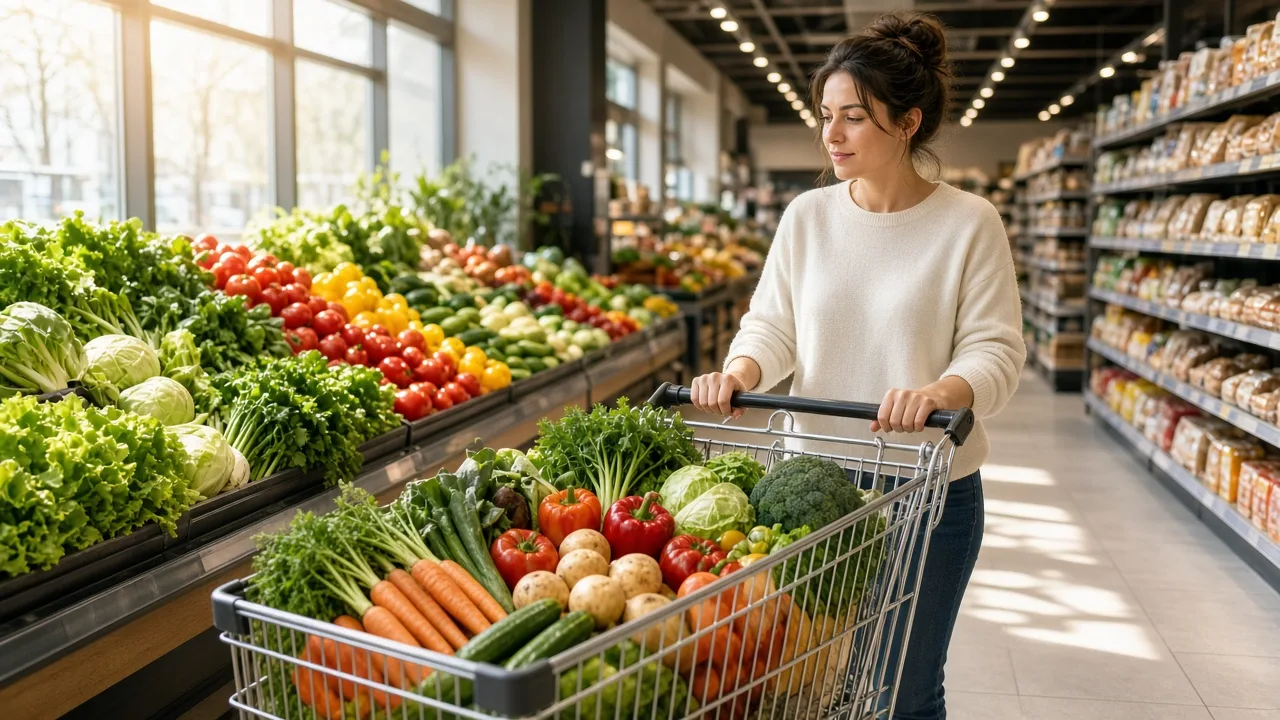
Tap to flip and read details
Build an original grocery delivery platform inspired by Instacart, adapted to your own store network, product catalog, shopping experience, delivery model, payments, and customer workflows.
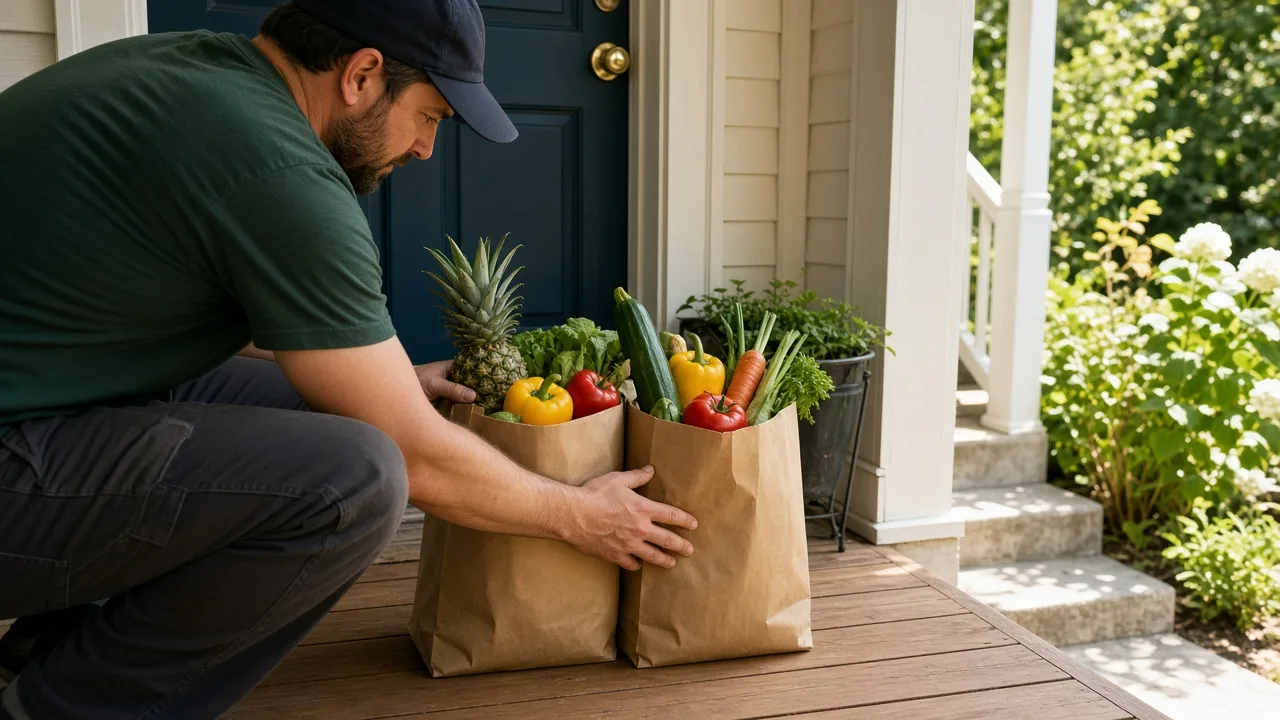
Tap to flip and read details
Create an original grocery shopping experience inspired by Amazon Fresh, with your own product catalog, search, shopping cart, checkout, delivery scheduling, subscriptions, and order management.
Tap to flip and read details
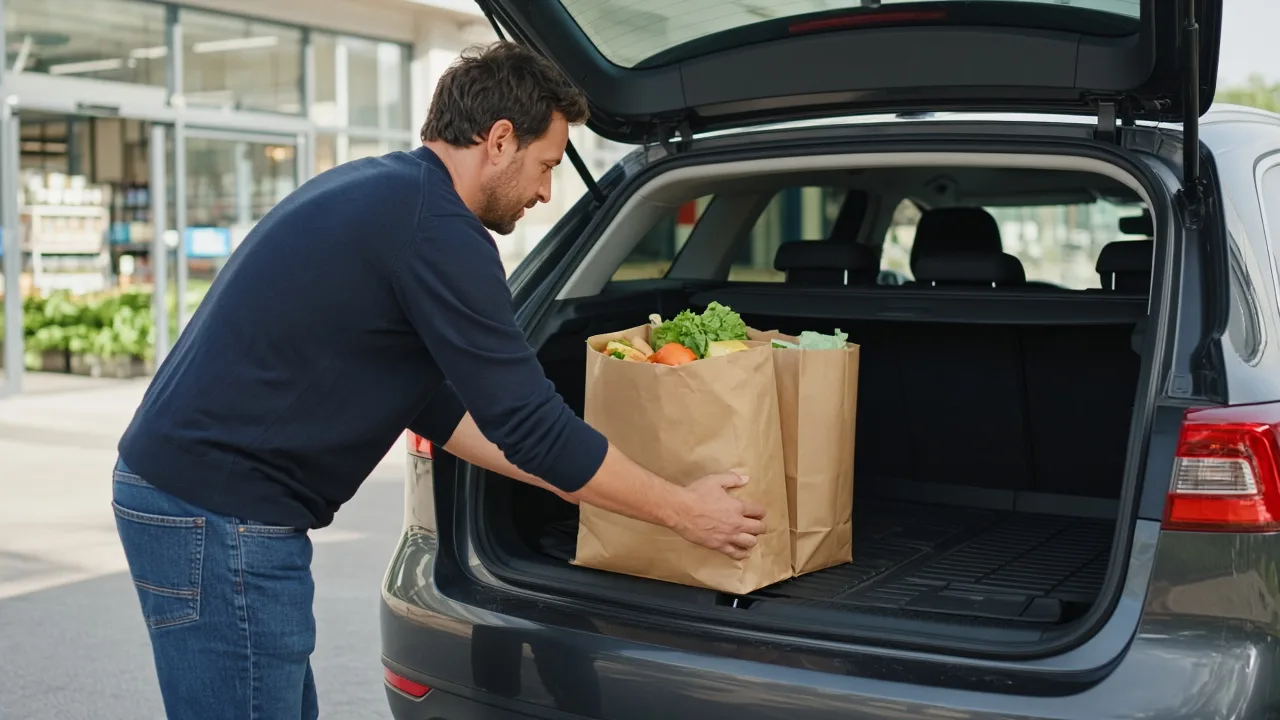
Develop an original grocery platform inspired by Walmart Grocery, with customized store discovery, product browsing, inventory, pickup or delivery, payments, promotions, and order management.

Tap to flip and read details
Build an original grocery shopping platform inspired by Kroger, with your own product catalog, shopping lists, promotions, store information, ordering, payments, pickup, and delivery experiences.
Tap to flip and read details
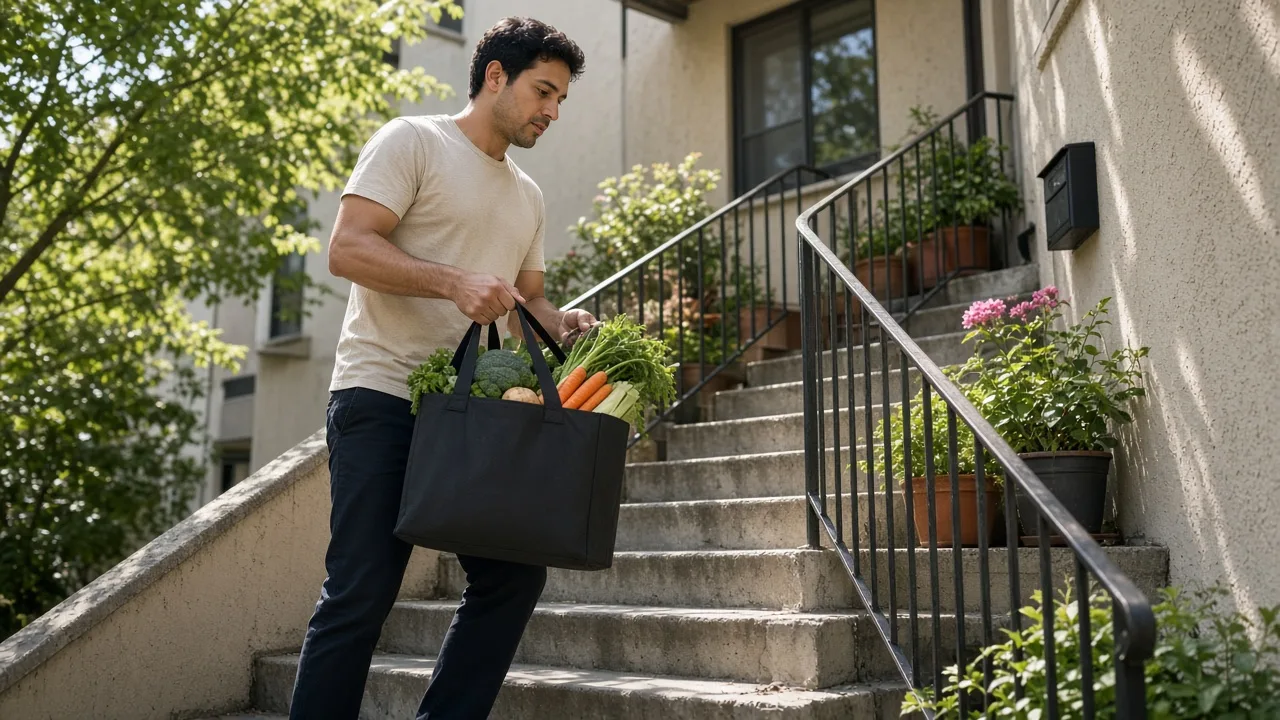
Create an original grocery delivery experience inspired by Shipt, with customized store selection, product discovery, shopping lists, delivery scheduling, order tracking, notifications, and customer management.
Explore grocery delivery platform concepts designed for supermarkets, retailers, grocery chains, startups, local stores, wholesalers, and delivery businesses. Each concept focuses on shopping, inventory, ordering, payments, delivery, and customer engagement.
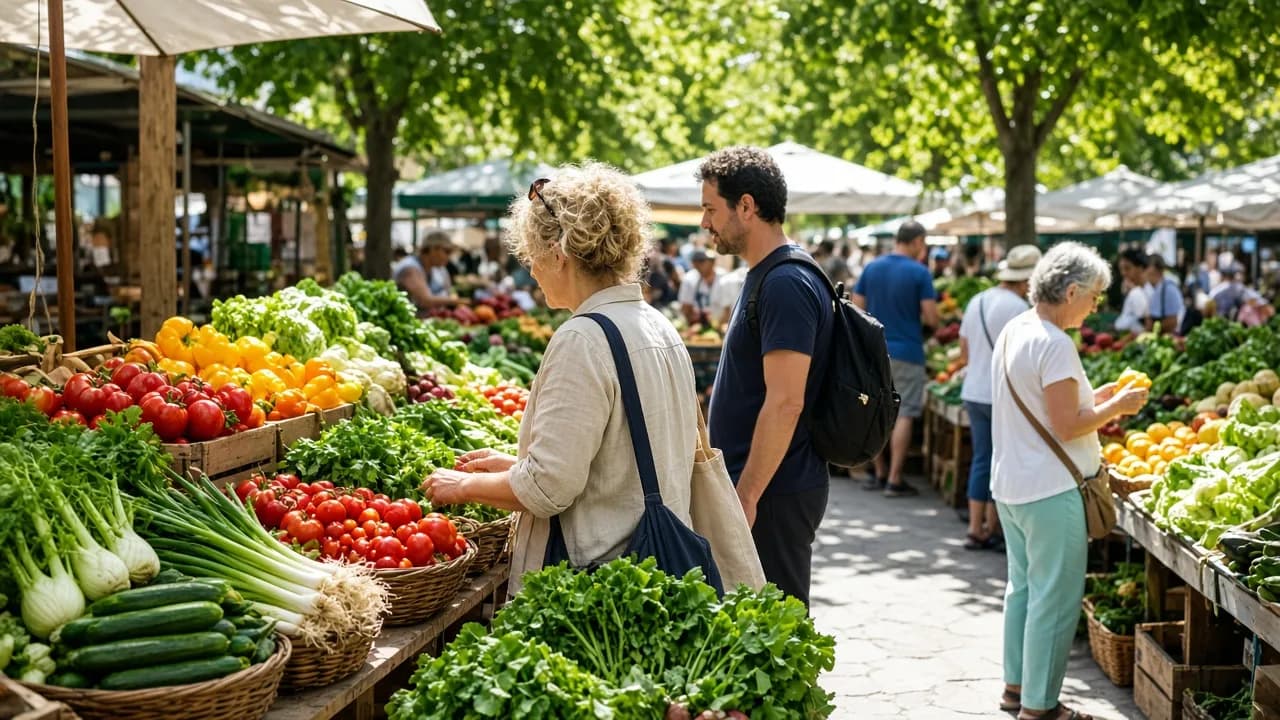
A grocery marketplace concept connecting customers with multiple stores through store discovery, product catalogs, search, shopping carts, checkout, payments, order tracking, and delivery.
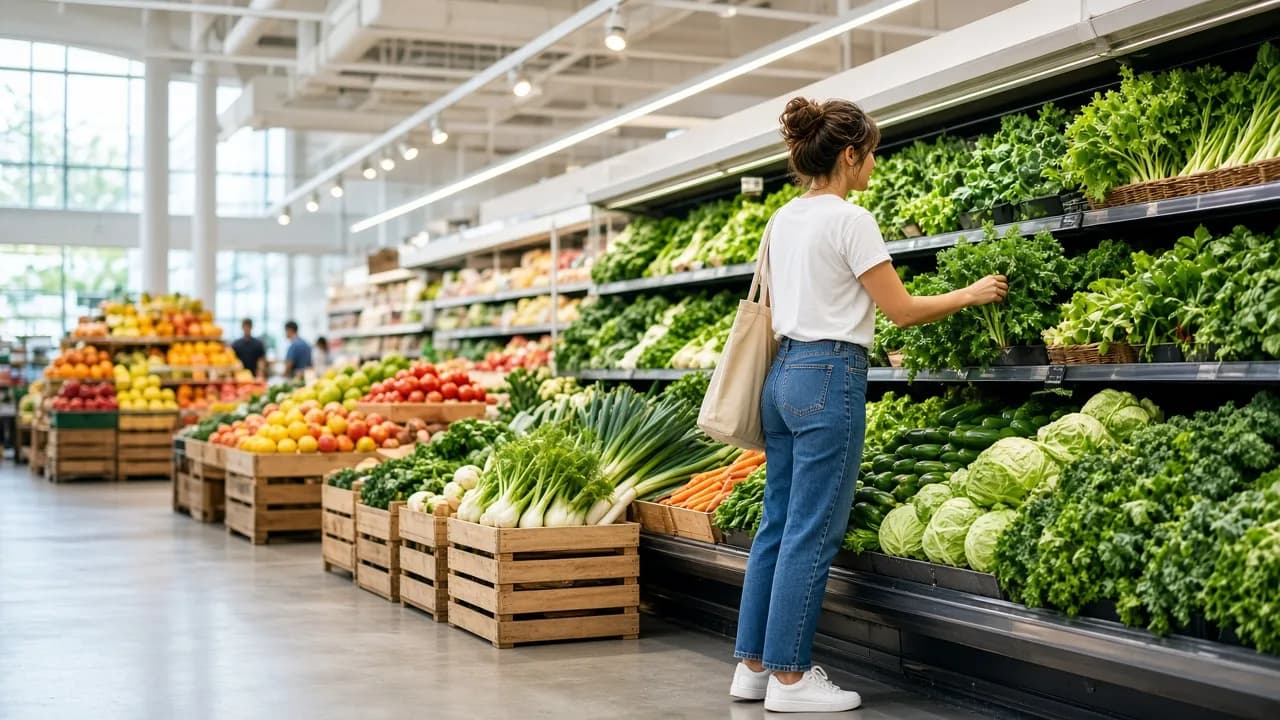
A supermarket concept supporting digital product catalogs, inventory, shopping, payments, scheduled delivery, order management, customer accounts, promotions, and store operations.
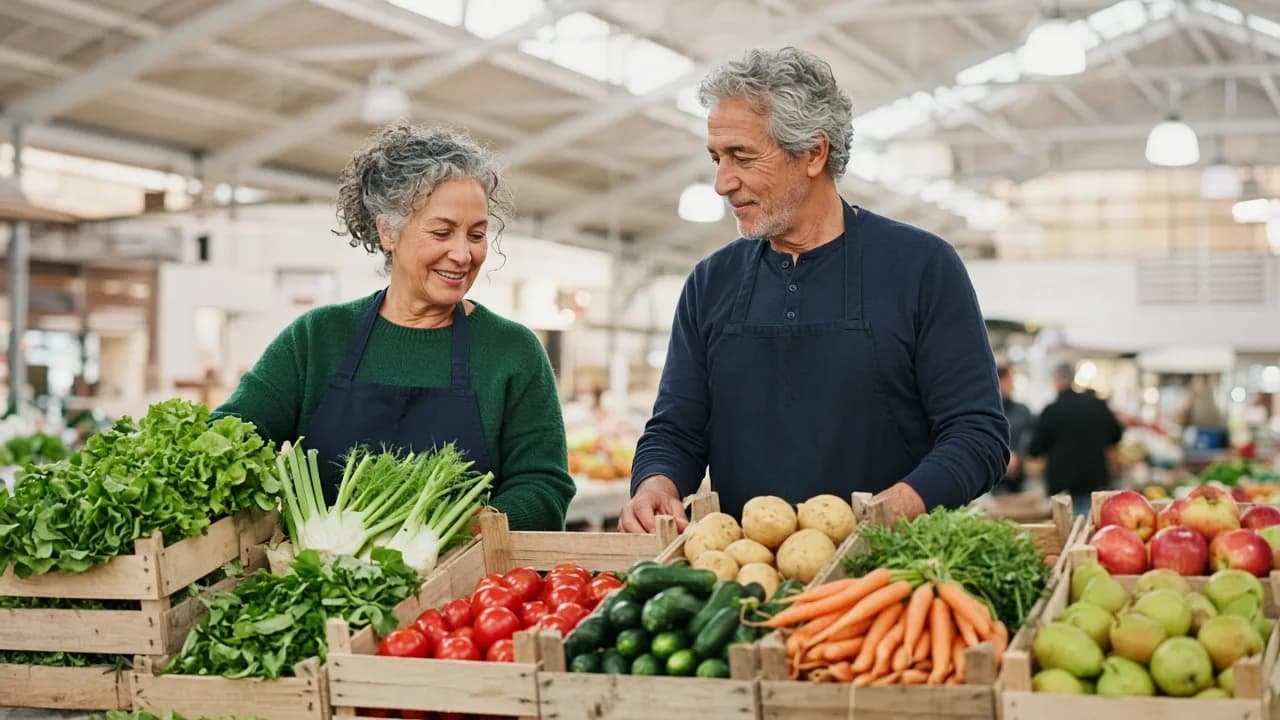
A multi vendor concept supporting multiple grocery businesses through vendor profiles, product catalogs, inventory, pricing, orders, payments, commissions, delivery, and administration.
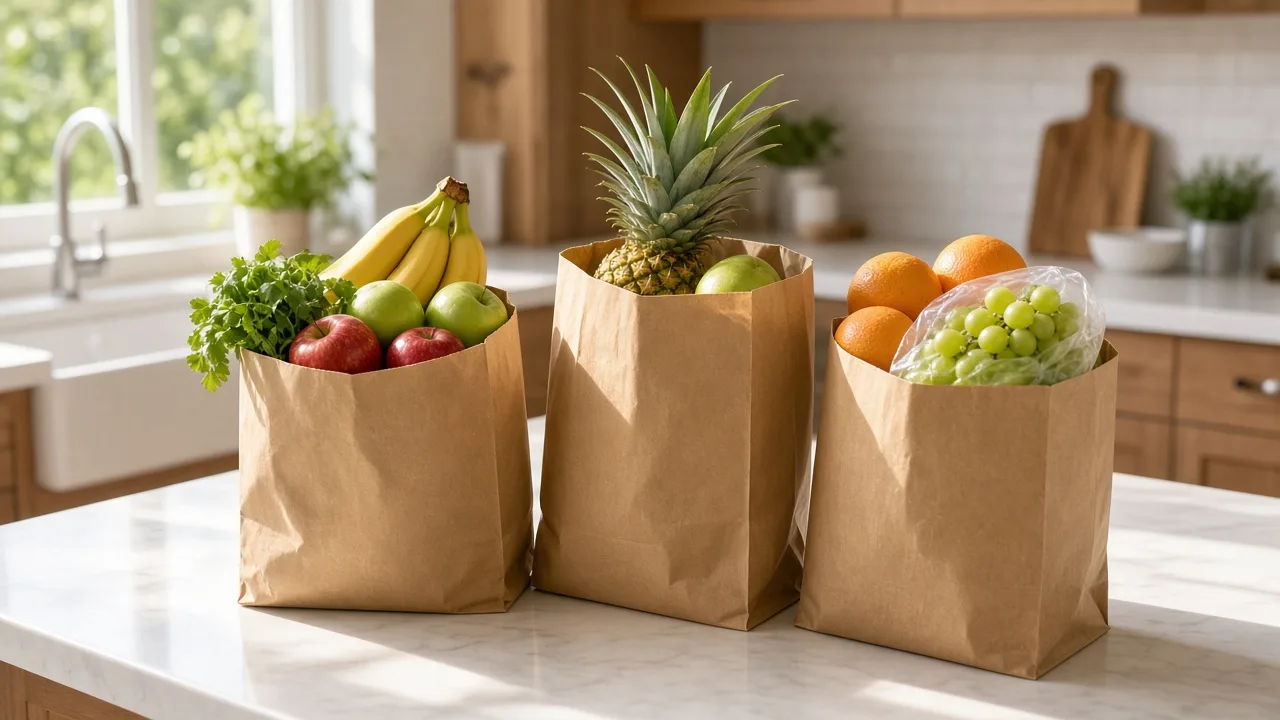
A subscription concept supporting recurring grocery orders, product preferences, scheduled deliveries, recurring payments, subscription management, notifications, and flexible order changes.
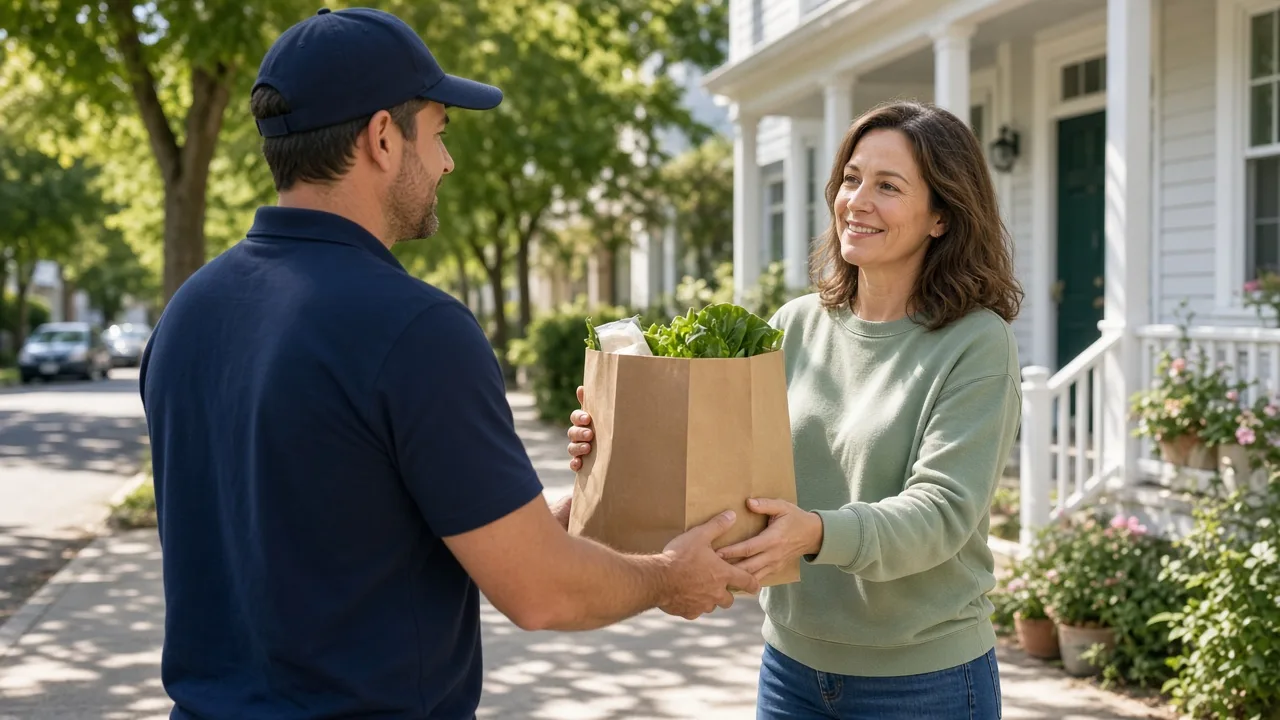
A local delivery concept connecting customers with nearby grocery stores through location based store discovery, product browsing, ordering, payments, delivery tracking, and notifications.
A successful grocery platform needs connected features for customers, stores, delivery partners, products, inventory, orders, payments, promotions, and administration. Each experience should work together through clear grocery shopping and delivery workflows.
Give customers a smooth journey from store discovery and product search to cart management, checkout, delivery tracking, and order history.
Give grocery stores centralized tools to manage products, inventory, prices, orders, promotions, customers, delivery requests, and store information.
Connect delivery partners with assigned orders, pickup information, route details, customer communication, delivery status, and completed delivery records.
Feature priorities should reflect your store model, product catalog, inventory structure, delivery zones, customer journey, payment methods, integrations, security requirements, and growth plans. Techanic Infotech can help define the right feature set before development begins.
Techanic Infotech is committed to delivering high quality software through strong engineering, transparent communication, and long term client partnerships. Our reputation is built on successful project delivery, client satisfaction, and continuous innovation across mobile and web application development.
Explore our verified client reviews, business profiles, technology expertise, and successful project deliveries to learn why businesses choose Techanic Infotech as their technology partner.
Get a clearer view of your grocery delivery platform before development begins. Techanic Infotech can help define scope, customer journeys, product catalogs, inventory workflows, checkout, delivery operations, technology choices, security requirements, integrations, and business priorities.
Modern grocery platforms can use intelligent technology to improve product discovery, recommendations, inventory planning, customer assistance, delivery operations, and business insights. The right capabilities should support customers, stores, and delivery teams while keeping important purchasing decisions under appropriate user control.
Provide customers with contextual assistance for product discovery, grocery lists, product information, substitutions, order questions, delivery information, and platform navigation.
Analyze approved shopping activity, preferences, product categories, and other relevant information to surface products or grocery combinations that may be useful to customers.
Improve product discovery through natural language search, relevant filters, product categorization, spelling correction, and contextual search results across grocery catalogs.
Analyze approved historical order and inventory information to help stores understand purchasing patterns, identify demand trends, and plan inventory more effectively.
Suggest suitable alternative products when selected items are unavailable, based on configured product relationships, customer preferences, availability, price ranges, or store rules.
Use approved delivery information to support route planning, delivery sequencing, estimated arrival information, and operational insights for delivery teams.
Analyze approved sales, orders, inventory, customer engagement, product performance, and delivery information to provide useful business insights for stores and platform operators.
Choose revenue models that match your grocery business, store network, customer base, delivery model, product catalog, and operating structure. Multiple approaches can work together as your grocery platform expands.
Generates income from eligible delivery orders
Charge customers an applicable delivery fee based on delivery zones, order value, scheduling options, distance, or other configured business rules.
Select a model on the ring to explore the revenue mix.
“We needed a grocery platform that could connect customers, products, orders, payments, inventory, and delivery operations. The team helped us organize the requirements and maintained clear communication throughout development.”
“Our project included product catalogs, inventory, shopping carts, checkout, delivery scheduling, notifications, and store management. The team worked with us to prioritize the functionality needed for our initial launch.”
“We wanted to connect customers with stores and delivery partners through one experience. The development team remained responsive while we refined our delivery workflows and platform requirements.”
“Our platform required multiple vendors, product management, payments, orders, delivery tracking, and administrative controls. The team helped keep the development process organized around our business goals.”
Grocery platforms need dependable shopping, inventory, ordering, payment, delivery, store management, notifications, analytics, and administration. Techanic Infotech brings product planning, design, development, testing, and support together for businesses building modern grocery delivery experiences.
Design connected experiences for customers, stores, products, inventory, shopping carts, orders, payments, delivery partners, notifications, and administration so important grocery workflows work together.
Work with an in house team covering product planning, design, development, testing, and technical delivery while keeping communication organized throughout the project.
Build customer applications, store dashboards, delivery partner apps, inventory systems, order management, payment workflows, delivery tracking, notifications, analytics, and connected backend services within one product strategy.
Develop the platform through focused cycles with regular reviews, testing, feedback, and priority adjustments so important grocery requirements can evolve during development.
Select technologies and architecture based on your store network, product catalog, inventory workflows, delivery operations, security considerations, expected usage, and long term product goals.
Continue supporting your platform after release through maintenance, technical updates, issue resolution, integrations, security improvements, new features, inventory enhancements, and ongoing technical assistance aligned with changing grocery business needs.
Select technologies according to product catalogs, inventory, shopping carts, checkout, payments, order management, delivery tracking, notifications, analytics, security, and expected platform growth.
Swipe or tap to switch tech categories
A structured process helps turn a grocery delivery idea into a clear product with defined shopping journeys, product catalogs, inventory requirements, checkout workflows, delivery operations, integrations, security considerations, and business priorities. Each stage builds toward a dependable grocery platform.
Start by understanding your grocery model, target customers, store network, product catalog, inventory structure, delivery zones, pricing strategy, payment methods, integrations, security needs, and business goals. Define the core scope and technical direction before design begins.
Find practical answers about grocery delivery app development costs, timelines, features, monetization, security, inventory, payments, delivery, hiring, launch, and ongoing platform support.
Explore practical insights about grocery delivery apps, online grocery shopping, inventory management, multi vendor marketplaces, delivery technology, payments, artificial intelligence, customer engagement, analytics, security, and digital grocery commerce.