0
Satisfied Customers
Food Delivery App Development
Restaurants, cloud kitchens, food brands, startups, and delivery operators can launch a platform built for smooth ordering.
A food delivery app development company can build connected experiences for ordering, payments, tracking, restaurant management, and driver operations. Techanic Infotech creates scalable platforms that help food businesses manage each stage from customer discovery through delivery.
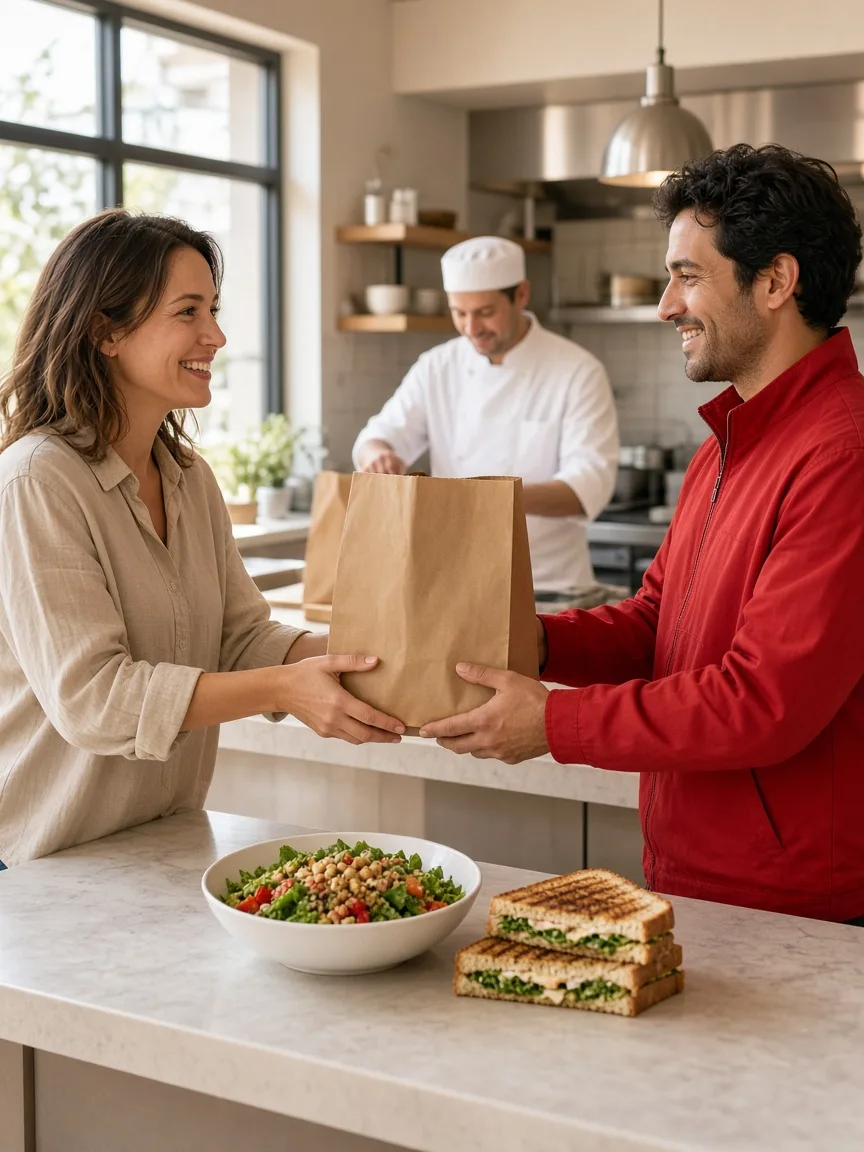
Build a dependable delivery business with experienced teams, focused communication, and strong client relationships for lasting product growth.
Build connected experiences for restaurants, marketplaces, cloud kitchens, grocery brands, and delivery teams. Our food delivery app development services support ordering, operations, payments, fulfillment, and scalable growth as your business expands.
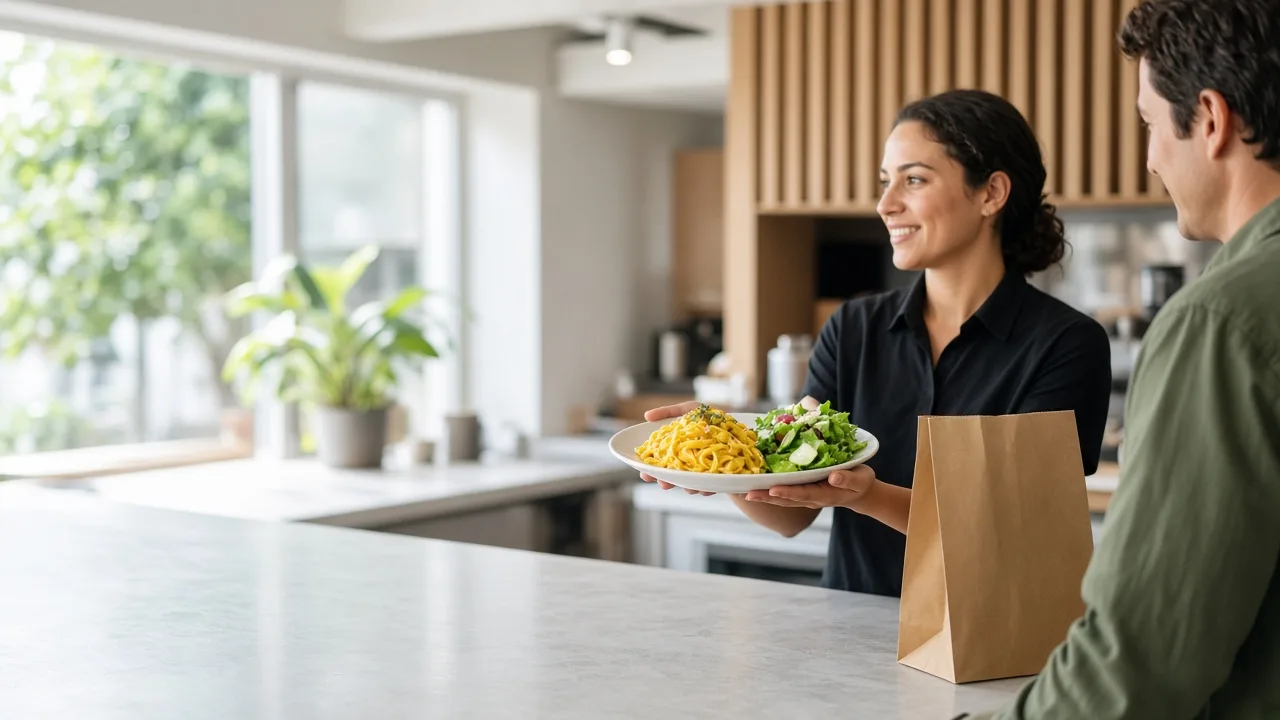
Create branded ordering experiences that connect menus, checkout, payments, and order status in one customer journey. Give restaurant teams clear tools to manage orders and availability.
Bring ordering, restaurant operations, payments, and delivery workflows into one connected experience. Techanic Infotech can shape your product around your business model, users, and growth goals from the start.
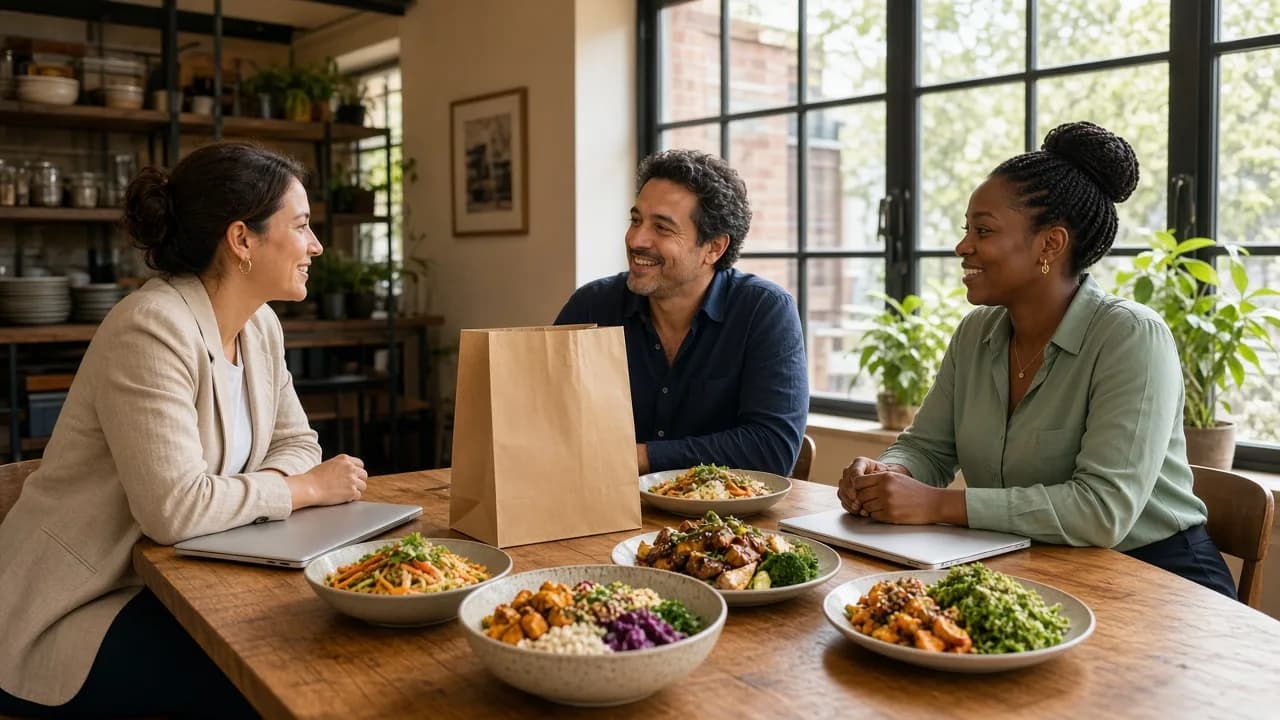
Create connected experiences that support customers, restaurants, delivery teams, and administrators from one platform. These food delivery app development solutions help simplify operations while creating room for smarter growth.
Give customers a simple way to browse menus, customize items, place orders, and receive updates from discovery through checkout.
Build food platforms with privacy, secure engineering, controlled access, and responsible data practices throughout the product lifecycle. Security considerations can be addressed across customer, restaurant, admin, and delivery experiences.
Plan data collection and usage around clear business needs, appropriate permissions, and privacy focused product experiences from the beginning.
Apply secure development practices across application architecture, APIs, integrations, authentication, testing, and ongoing maintenance activities.
Design payment flows with appropriate safeguards and trusted payment integrations to reduce unnecessary exposure of sensitive transaction information.
Give customers, restaurants, administrators, and delivery teams access according to their responsibilities and required platform permissions.
Support appropriate identity and account verification workflows to help maintain trustworthy access for customers, partners, and operational teams.
Include monitoring capabilities that can help teams identify unusual account, order, payment, or delivery behavior for further review.
Protect sensitive information through encryption practices applied appropriately to data moving between systems and information stored by the platform.
Connect external services through controlled interfaces with authentication, validation, and monitoring considerations that support safer data exchange.
Review application behavior and common security risks through testing activities that help identify issues before and after release.
Structure the platform to support relevant privacy, payment, and data requirements while allowing controls to evolve as the product grows.
Build an original platform inspired by familiar ordering experiences from established services. Each product can reflect your own brand, workflows, features, and business model without copying source code, trademarks, or brand assets.
Tap to flip and read details
Create an original ordering platform inspired by the Uber Eats experience, with your own customer journey, restaurant tools, delivery workflows, and visual identity.
Tap to flip and read details
Build an original platform inspired by the DoorDash ordering experience, tailored to your preferred marketplace structure, customer journey, restaurant operations, and delivery model.
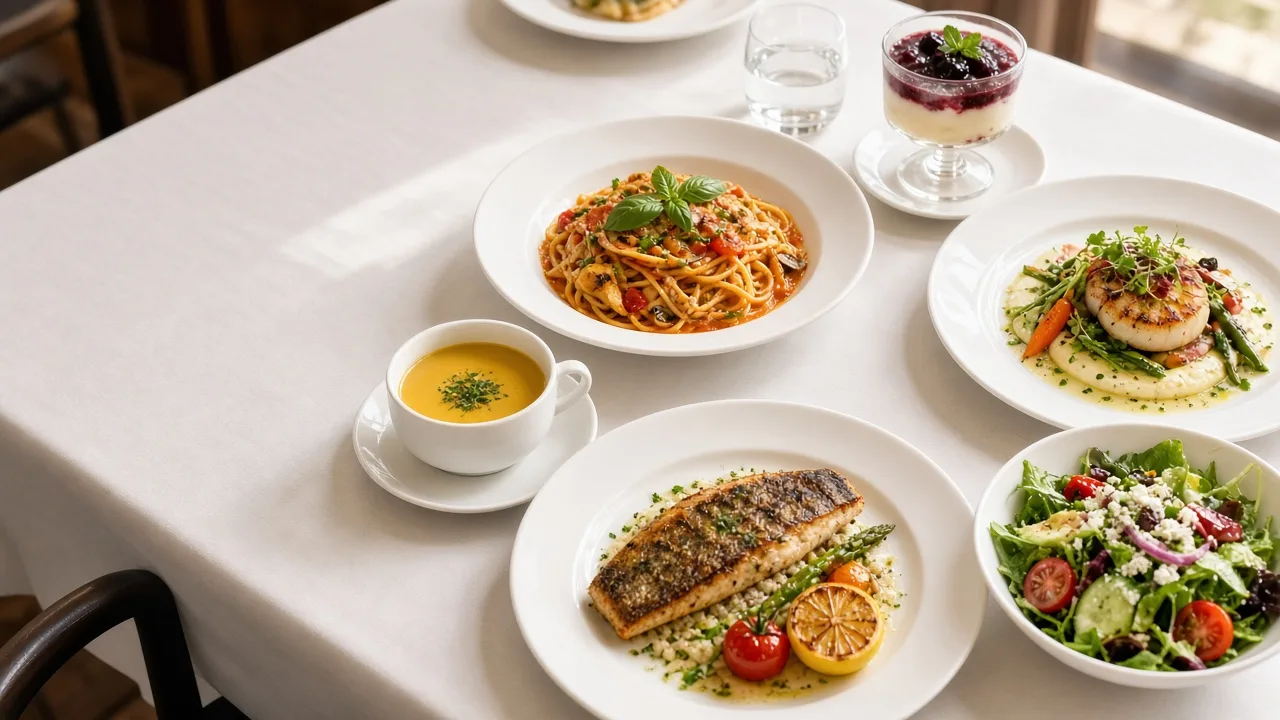
Tap to flip and read details
Develop an original platform inspired by the Grubhub ordering experience, with customized restaurant discovery, menu browsing, checkout, order management, and delivery features.
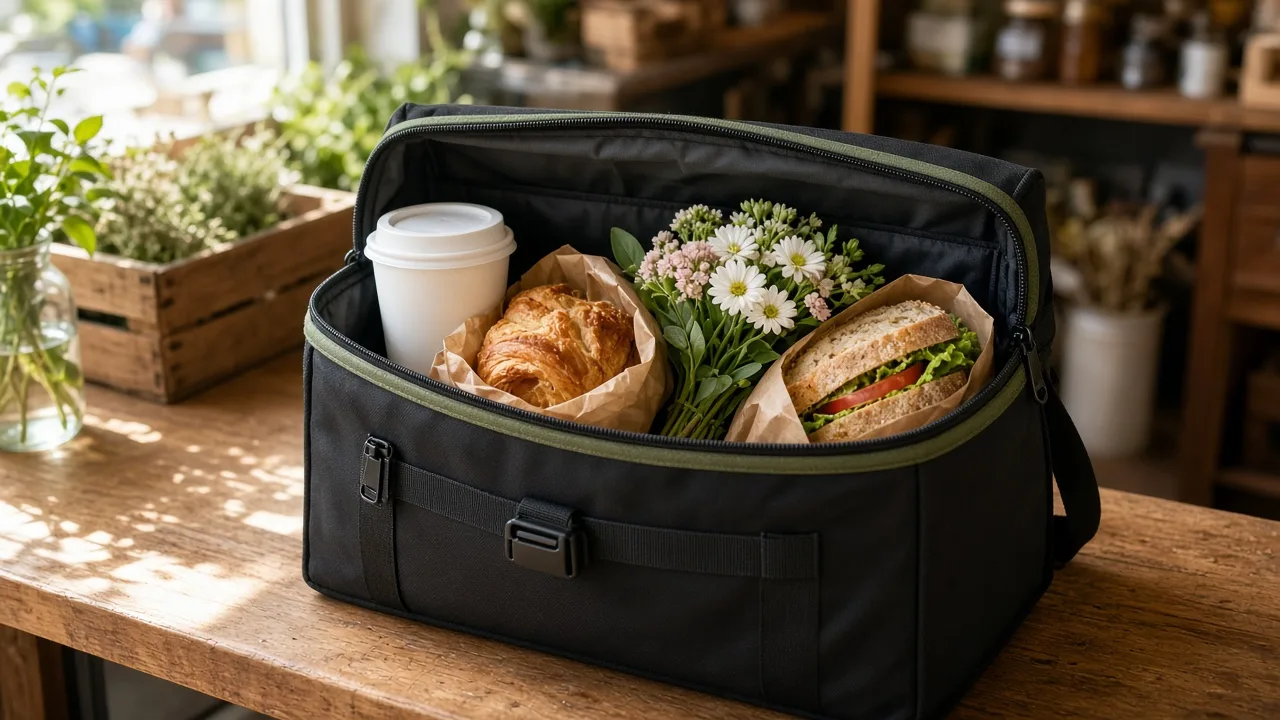
Tap to flip and read details
Create an original platform inspired by the Postmates ordering experience, adapted to your own delivery model, customer needs, merchant workflows, and brand identity.
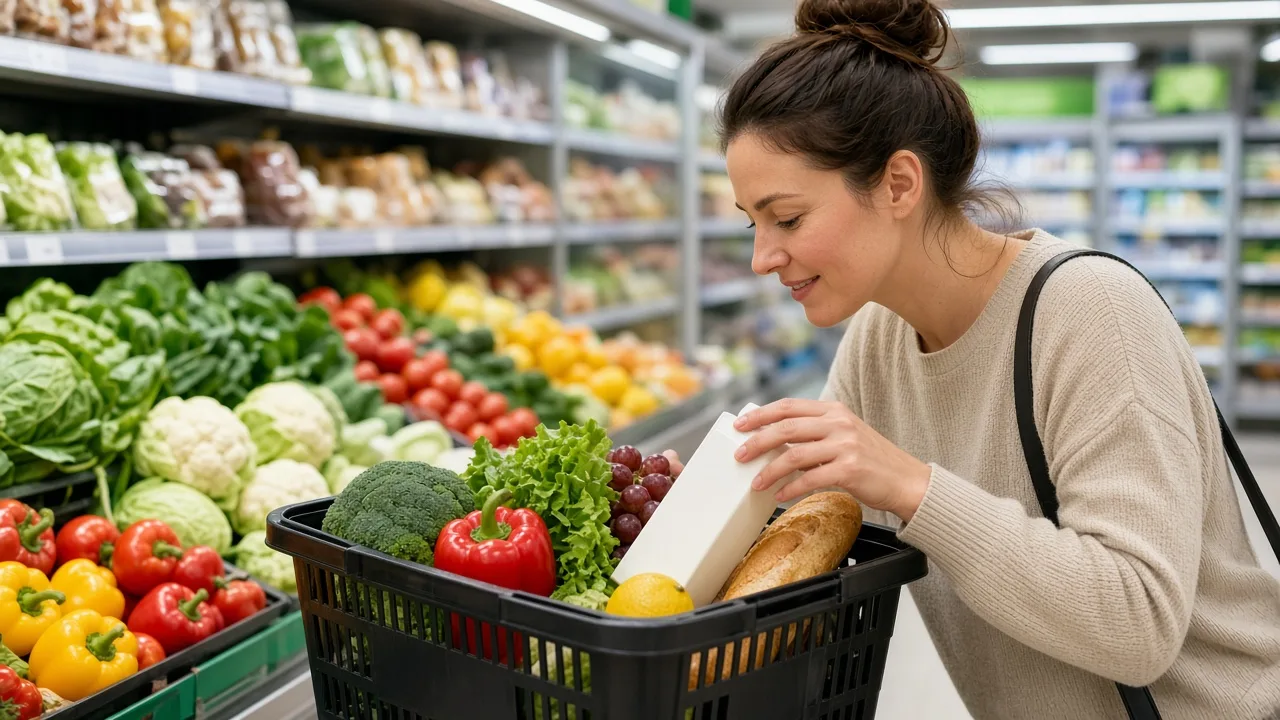
Tap to flip and read details
Build an original platform inspired by the Instacart ordering experience, with customized shopping, basket management, fulfillment, delivery, and customer communication workflows.
Explore platform concepts designed around different food and delivery business models. Each example focuses on practical workflows, clear user experiences, and flexible administration without invented performance claims.
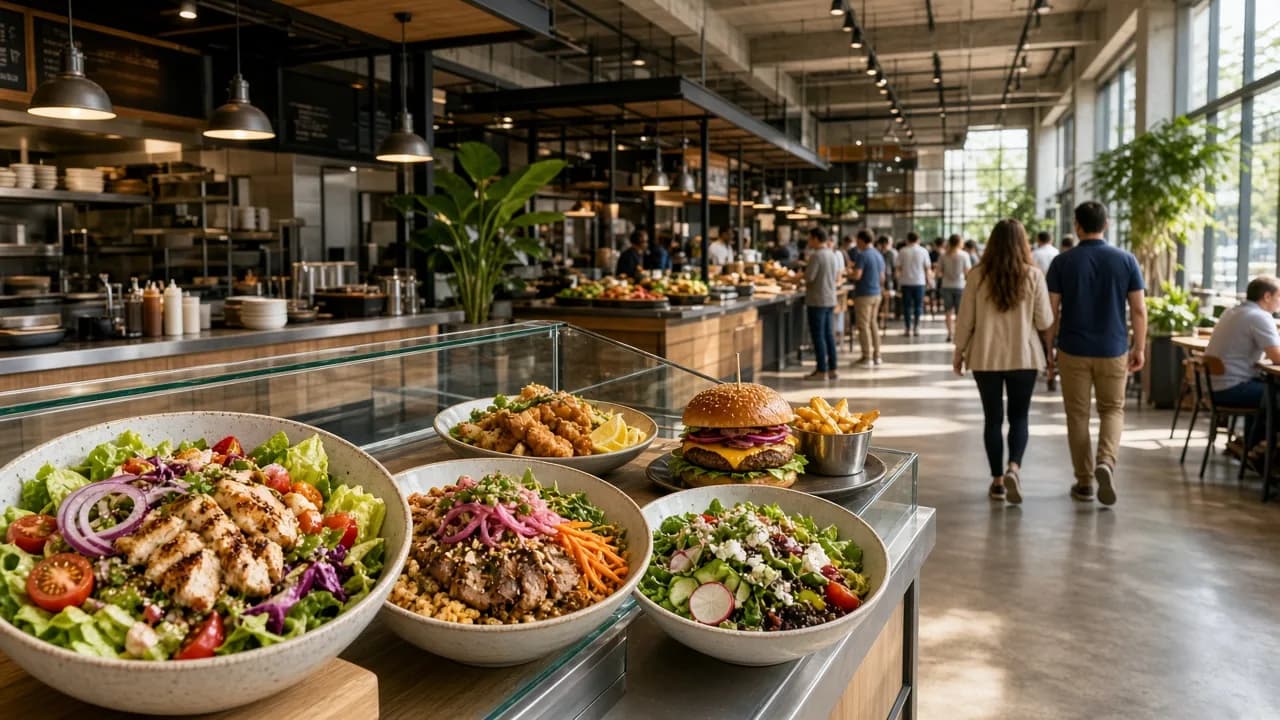
A marketplace concept connecting customers with multiple restaurants through discovery, menus, checkout, order management, and delivery coordination.
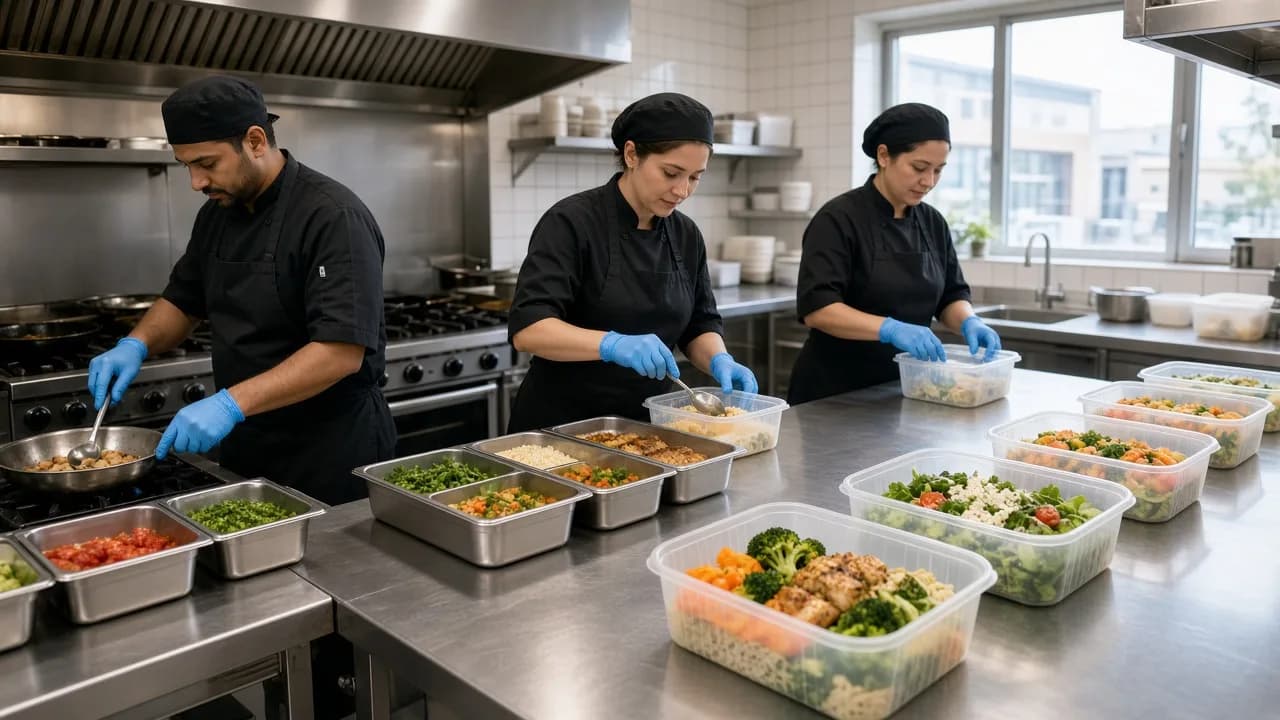
A cloud kitchen concept supporting multiple food brands with menu management, incoming orders, preparation workflows, and delivery coordination.
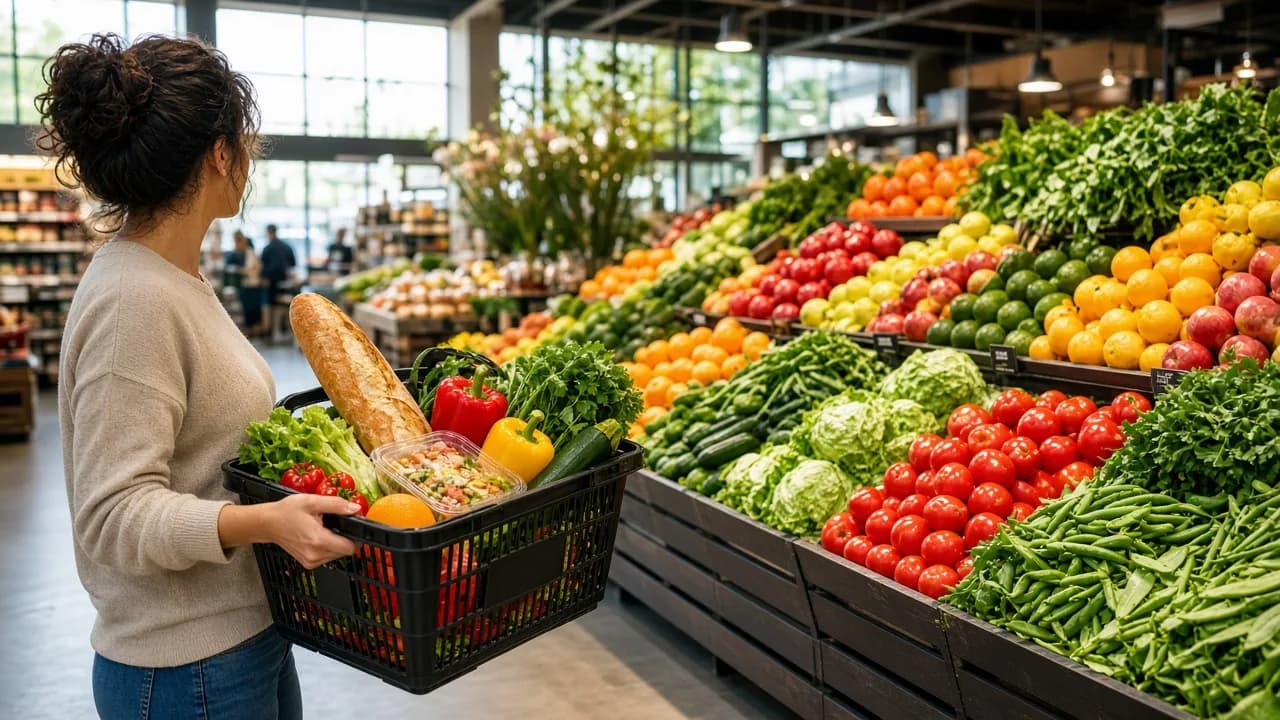
A grocery delivery concept combining product discovery, basket management, checkout, fulfillment workflows, and customer order updates in one experience.
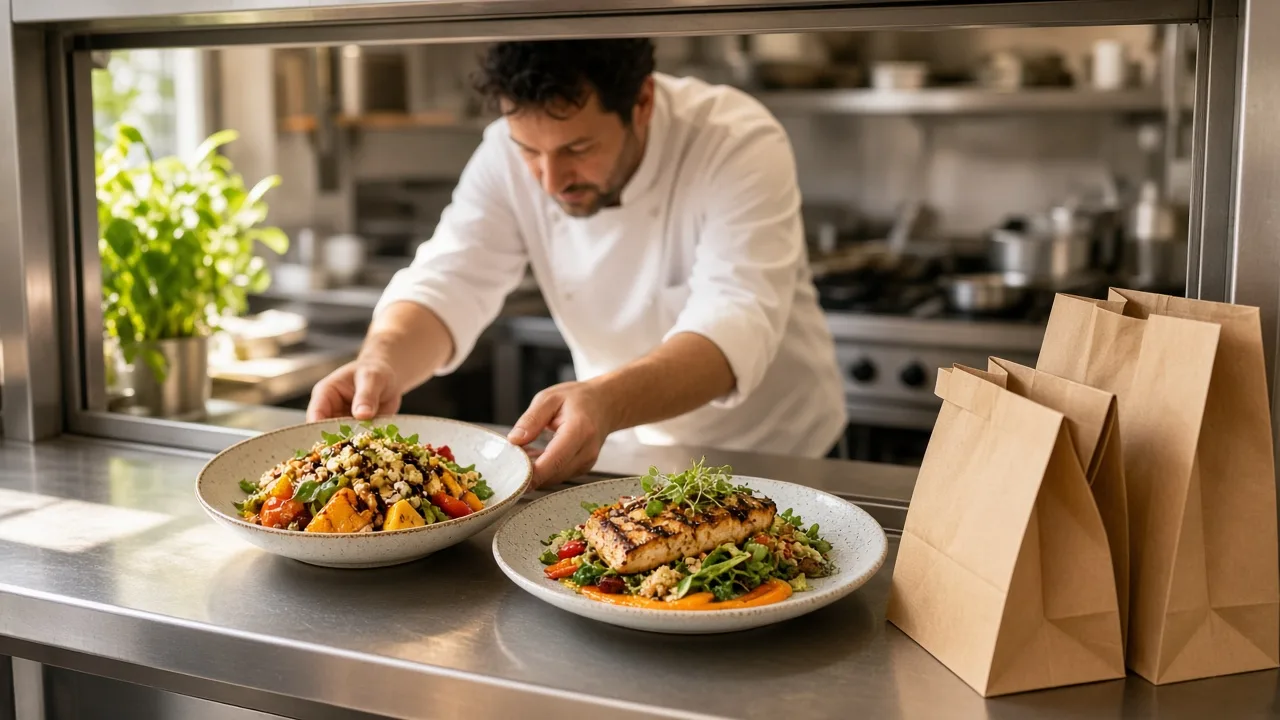
A restaurant focused platform concept for managing digital orders, menu availability, preparation status, customer communication, and delivery coordination.
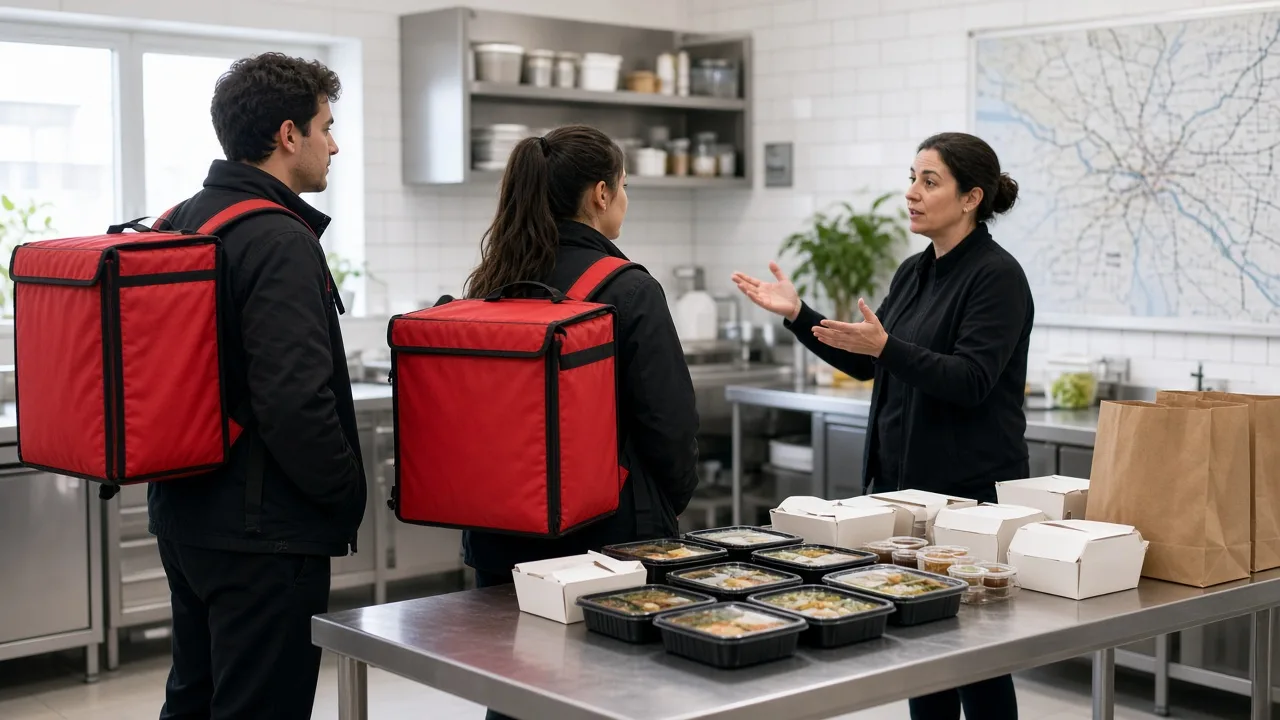
A centralized delivery concept connecting customers, restaurants, dispatch teams, and drivers through shared order and fulfillment workflows.
A successful food platform needs useful features for every participant in the ordering journey. Customer, admin, restaurant, and delivery experiences can work together through connected workflows and clear controls.
Give customers a smooth journey from food discovery and menu browsing to checkout, payment, order updates, and delivery completion.
Give administrators centralized controls for restaurants, customers, orders, payments, delivery operations, promotions, and platform activity.
Connect restaurants and delivery partners through shared tools for order handling, preparation updates, assignments, navigation, and delivery completion.
Feature selection should reflect your business model, users, and operational needs. Techanic Infotech can help shape the right feature set before development begins.
Techanic Infotech is committed to delivering high quality software through strong engineering, transparent communication, and long term client partnerships. Our reputation is built on successful project delivery, client satisfaction, and continuous innovation across mobile and web application development.
Explore our verified client reviews, business profiles, technology expertise, and successful project deliveries to learn why businesses choose Techanic Infotech as their technology partner.
Get a clearer view of what your platform needs before development starts. Techanic Infotech can help define scope, technology choices, delivery priorities, and the next practical steps for your product.
Modern food platforms can use intelligent technology to improve customer experiences and operational decisions. The right approach connects automation with practical workflows without removing useful human oversight.
Suggest relevant dishes, restaurants, or offers using customer preferences, browsing behavior, and order history. This can make food discovery more useful while supporting repeat engagement.
Help delivery teams plan practical routes using order details, locations, timing, and available drivers. Smarter planning can support smoother dispatch decisions as order volume changes.
Connect location updates with customer and driver experiences to provide clearer visibility during fulfillment. Teams can monitor progress and respond when delivery conditions change.
Provide automated assistance for common questions about menus, orders, payments, and delivery status. Escalation paths can connect customers with human teams when additional help is needed.
Use historical and current ordering information to identify demand patterns across products, locations, and time periods. These insights can help teams plan resources more effectively.
Support order accuracy by checking relevant order details before fulfillment and delivery. Automated checks can help identify mismatches while keeping staff involved in important decisions.
Choose a revenue structure that matches your marketplace, restaurant relationships, customer behavior, and operational model. A platform can also combine several models as the business grows.
Creates a revenue stream linked to successful marketplace transactions
Charge participating restaurants a defined commission on eligible orders while providing marketplace visibility and useful ordering tools.
Select a model on the ring to explore the revenue mix.
“The team understood our ordering workflow quickly and helped turn our ideas into a practical food delivery platform. Communication stayed clear throughout development, and the team was responsive when requirements changed.”
“We needed a platform that could connect customers, restaurants, and delivery teams without making the experience complicated. The development team stayed involved throughout the project and handled our feedback carefully.”
“Our focus was creating a simple ordering experience with reliable restaurant and delivery workflows. The team was easy to communicate with, understood our requirements, and remained available as we refined the product.”
“The project required several connected user experiences, including ordering, payments, restaurant management, and delivery tracking. The team helped organize the requirements and kept the development process moving clearly.”
Businesses need more than separate screens when building a food platform. A top food delivery app development company should connect customer journeys, restaurant operations, delivery workflows, administration, and future product needs.
Design connected workflows for customers, restaurants, dispatch teams, and drivers so orders can move clearly from discovery through fulfillment and completion.
Work with an in house team covering product thinking, design, development, testing, and technical delivery without relying on an unknown external chain.
Develop connected customer, restaurant, admin, and delivery experiences within one product strategy instead of treating each application as a separate system.
Refine product priorities through practical development cycles, regular reviews, testing, and feedback so important requirements can evolve as the platform takes shape.
Select current technologies and architecture patterns based on platform requirements, integrations, security considerations, scalability needs, and long term product goals.
Continue supporting the product after release through maintenance, improvements, technical updates, issue resolution, and enhancements aligned with changing business needs.
Select the right technologies for your platform based on product requirements, integrations, security, user experience, and expected growth. A balanced stack supports reliable development and long term maintenance.
Swipe or tap to switch tech categories
A clear process helps turn a food platform idea into a structured product with defined priorities and practical delivery stages. Each phase builds on the previous one while keeping business goals visible.
Start by understanding your business model, target users, workflows, integrations, and product priorities. Define the core scope, technical direction, and delivery requirements before design begins.
Find practical answers about planning, building, launching, monetizing, and supporting a food delivery platform.
Explore practical insights about food ordering platforms, restaurant technology, delivery operations, product features, and emerging tools. Learn how technology can support changing customer and business needs.