0
Satisfied Customers
Warehouse Management App Development
Build a smart warehouse management app that helps businesses optimize receiving, storage, inventory movement, picking, packing, dispatch, and real time warehouse operations.
A warehouse management app development company can help retailers, wholesalers, manufacturers, distributors, logistics providers, eCommerce businesses, and enterprises digitize warehouse operations. Techanic Infotech develops warehouse solutions around your storage structure, inventory volume, warehouse locations, order workflows, barcode or RFID requirements, workforce operations, fulfillment model, integrations, reporting needs, and business growth plans.

Build a dependable warehouse platform with experienced developers, focused communication, and practical support from product discovery through launch and ongoing improvement.
Create connected warehouse experiences for warehouse operators, inventory teams, procurement staff, fulfillment teams, logistics businesses, retailers, manufacturers, distributors, and administrators with receiving, storage, inventory, order, and dispatch workflows.

Build a warehouse platform around your storage structure, products, inventory volume, warehouse locations, receiving process, picking strategy, packing workflows, dispatch requirements, barcode or RFID operations, integrations, reporting needs, user roles, and business goals.
Bring receiving, putaway, inventory tracking, storage locations, barcode scanning, RFID, picking, packing, dispatch, stock transfers, cycle counts, order fulfillment, returns, alerts, reports, analytics, workforce management, integrations, and centralized administration into one connected platform. Techanic Infotech can shape the product around your warehouse structure, inventory volume, order workflows, fulfillment model, workforce operations, automation requirements, business systems, reporting needs, and growth plans.

Build connected warehouse technology for retailers, wholesalers, manufacturers, distributors, logistics providers, eCommerce businesses, fulfillment centers, and enterprise warehouse operations. Solutions can be adapted to your facility structure, inventory volume, fulfillment model, workforce, order flow, and operational requirements.
Digitize receiving, putaway, storage, replenishment, picking, packing, dispatch, stock counts, transfers, inventory adjustments, and daily warehouse activities through connected workflows.
Warehouse platforms may process inventory information, purchase orders, customer orders, supplier data, warehouse locations, employee accounts, shipment details, business records, and operational analytics. Security, data integrity, access control, transaction accuracy, and reliable system operations should be considered throughout development.
Design data structures and workflows around warehouses, storage locations, products, inventory, orders, transfers, receiving, picking, packing, dispatch, and reporting while applying appropriate security controls.
Give warehouse staff, supervisors, procurement teams, fulfillment teams, managers, suppliers, customers, and administrators access according to their responsibilities and configured permissions.
Protect stock quantities, locations, batches, serial numbers, transfers, receiving records, picking operations, packing records, dispatch information, and inventory adjustments through validation and controlled workflows.
Apply appropriate validation and authorization to barcode and RFID workflows so receiving, putaway, picking, stock counts, transfers, packing, and dispatch activities update warehouse records accurately.
Protect order allocation, picking lists, packing records, shipment details, dispatch confirmations, cancellations, returns, and fulfillment updates through controlled access and auditable workflows.
Protect employee profiles, work assignments, schedules, productivity information, warehouse access, and other workforce records through appropriate authentication, authorization, and data controls.
Maintain suitable records for inventory adjustments, receiving, transfers, picking, packing, dispatch, order changes, user access, warehouse activity, and other important operational events.
Secure connections with ERP platforms, inventory systems, eCommerce stores, marketplaces, shipping providers, barcode systems, RFID infrastructure, accounting tools, and other business systems through authenticated and controlled integrations.
Implement suitable backup, recovery, monitoring, and continuity practices to help protect warehouse records and reduce operational disruption caused by technical failures or unexpected incidents.
Include application security testing, vulnerability management, dependency updates, access reviews, monitoring, incident response preparation, and ongoing maintenance throughout the warehouse platform lifecycle.
Create an original warehouse management platform inspired by familiar warehouse, inventory, fulfillment, and logistics software experiences. Your product can use its own brand, interface, workflows, integrations, and business model without copying source code, trademarks, or proprietary brand assets.

Tap to flip and read details
Build an original warehouse platform inspired by familiar inventory and warehouse workflows, with receiving, inventory tracking, purchasing, picking, packing, shipping, manufacturing support, and reporting.

Tap to flip and read details
Create an original fulfillment management experience inspired by familiar third party logistics workflows, with order processing, inventory visibility, warehouse operations, fulfillment, shipping, returns, and reporting.

Tap to flip and read details
Develop an original enterprise warehouse platform inspired by familiar warehouse management workflows, with receiving, putaway, inventory optimization, picking, packing, labor operations, automation, and analytics.

Tap to flip and read details
Build an original enterprise warehouse solution inspired by familiar ERP connected warehouse workflows, with inventory, inbound operations, outbound fulfillment, warehouse tasks, stock movements, integrations, and centralized administration.
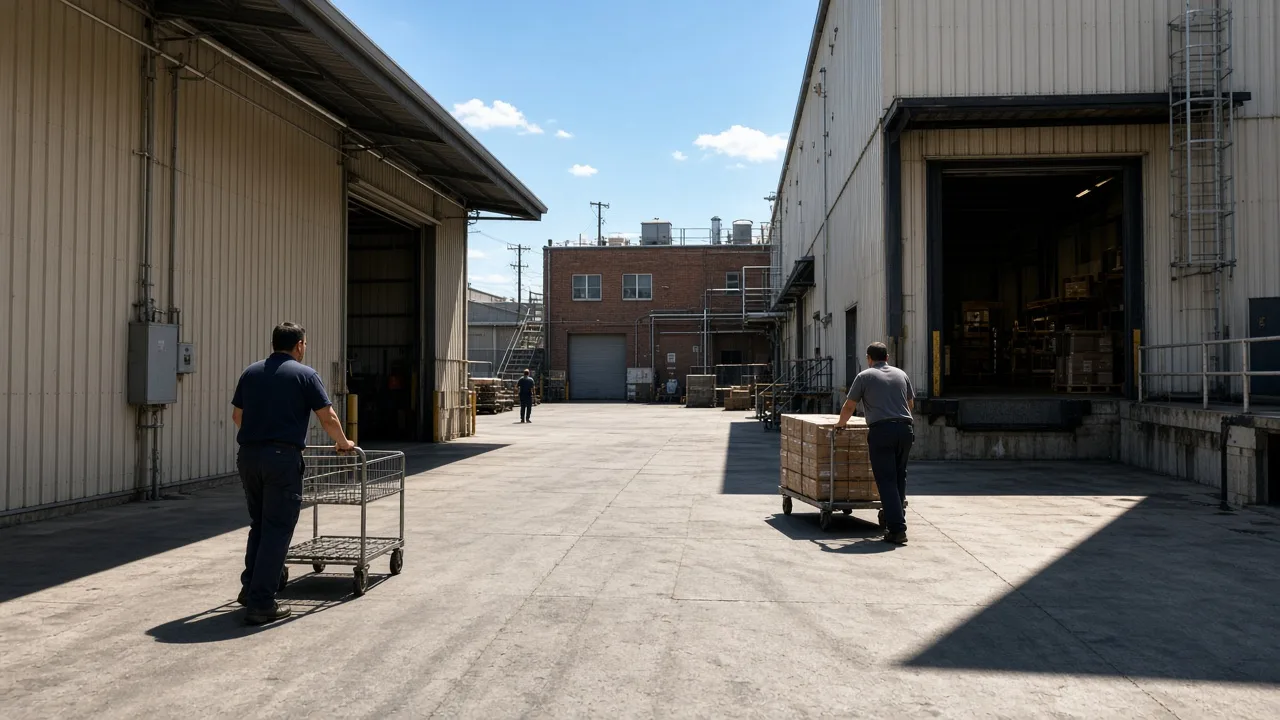
Tap to flip and read details
Create an original warehouse management platform inspired by familiar enterprise warehouse workflows, with multi location inventory, receiving, picking, packing, shipping, warehouse tasks, workforce operations, analytics, and business integrations.
Explore digital warehouse concepts designed for retailers, wholesalers, manufacturers, distributors, logistics providers, eCommerce businesses, fulfillment centers, and enterprise operations. Each concept focuses on warehouse visibility, inventory movement, order fulfillment, workforce coordination, and operational analytics.

A retail warehouse concept supporting receiving, storage locations, inventory tracking, replenishment, picking, packing, dispatch, returns, barcode scanning, stock transfers, and store fulfillment.

An eCommerce warehouse concept supporting order imports, inventory allocation, picking, packing, shipping, returns, stock synchronization, carrier integrations, and fulfillment reporting.

A manufacturing warehouse concept supporting raw material receiving, storage, production inventory, material movements, finished goods, picking, dispatch, stock transfers, and warehouse reporting.
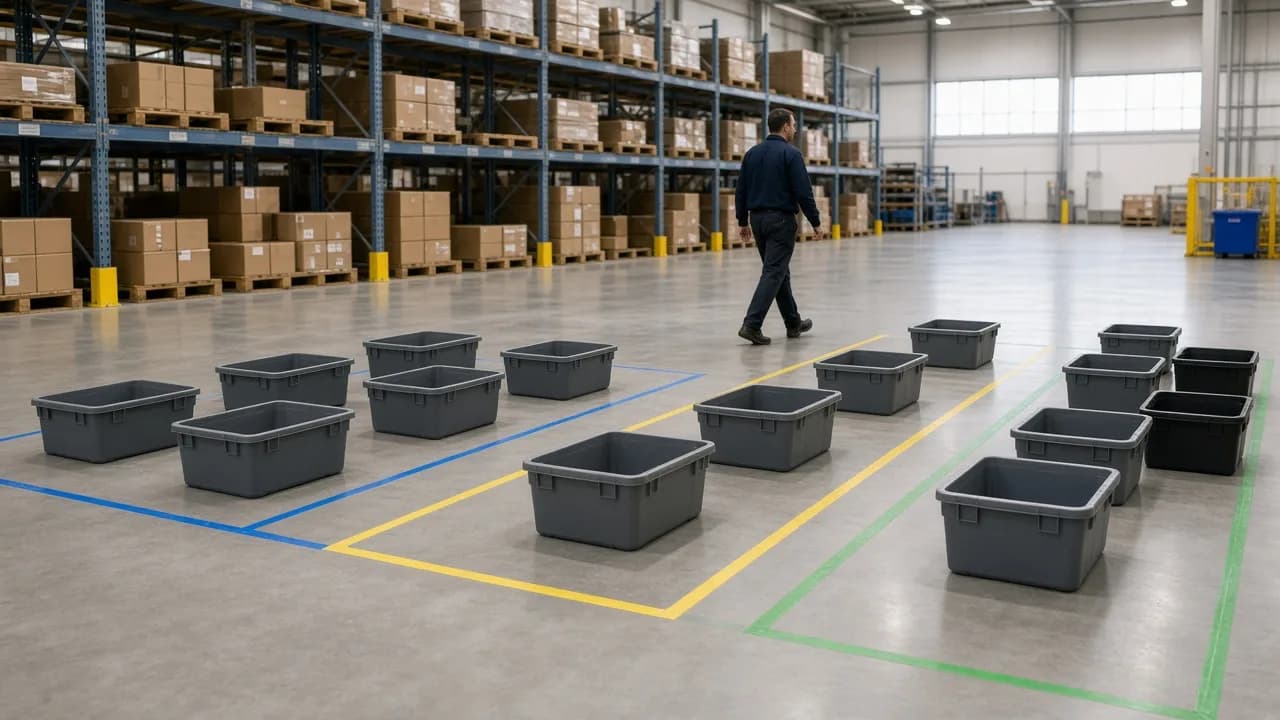
A 3PL warehouse concept supporting multiple clients, inventory segregation, inbound receiving, storage, picking, packing, dispatch, shipping, returns, billing data, customer visibility, and warehouse analytics.

A connected warehouse concept bringing warehouses, storage locations, inventory, purchase orders, customer orders, receiving, putaway, picking, packing, dispatch, transfers, barcode operations, workforce management, notifications, reports, analytics, integrations, and administration together through one platform.
A successful warehouse platform needs connected features for warehouse staff, supervisors, inventory teams, procurement users, fulfillment teams, managers, logistics operators, and administrators. Each experience should work together through clear inbound, storage, inventory, outbound, workforce, and reporting workflows.
Give warehouse teams simple tools to manage receiving, putaway, inventory, picking, packing, transfers, stock counts, and dispatch operations.
Help supervisors assign work, monitor warehouse activity, review exceptions, manage staff, and track fulfillment performance across daily operations.
Give administrators centralized controls for warehouses, storage locations, products, inventory, staff, suppliers, customers, orders, workflows, integrations, alerts, and platform configuration.
Feature priorities should reflect your warehouse network, storage structure, product volume, order volume, fulfillment model, barcode or RFID requirements, workforce size, inventory system, ERP integrations, shipping providers, reporting needs, user roles, and growth plans. Techanic Infotech can help define the right feature set before development begins.
Techanic Infotech is committed to delivering high quality software through strong engineering, transparent communication, and long term client partnerships. Our reputation is built on successful project delivery, client satisfaction, and continuous innovation across mobile and web application development.
Explore our verified client reviews, business profiles, technology expertise, and successful project deliveries to learn why businesses choose Techanic Infotech as their technology partner.
Get a clearer view of your warehouse platform before development begins. Techanic Infotech can help define scope, warehouse staff and supervisor journeys, warehouses, storage locations, products, inventory, receiving, putaway, replenishment, picking, packing, dispatch, barcode and RFID workflows, stock transfers, cycle counts, order fulfillment, returns, workforce management, shipping integrations, reports, analytics, technology choices, security controls, and future warehouse platform growth priorities.
Modern warehouse platforms can use intelligent technology to improve inventory visibility, order fulfillment, warehouse productivity, space utilization, workforce coordination, and operational decision making. These capabilities should be implemented with appropriate validation, data controls, human oversight, and reliable warehouse workflows.
Provide an AI assisted interface for inventory lookup, order status, warehouse tasks, product information, receiving activity, fulfillment updates, reporting, and routine operational guidance using approved warehouse data.
Analyze approved product movement, order frequency, dimensions, warehouse locations, and operational data to support recommendations for product placement and storage allocation.
Analyze historical order activity, inventory movement, seasonal patterns, and other configured business signals to support warehouse workload planning, staffing, replenishment, and fulfillment preparation.
Use approved warehouse and order data to support optimized picking sequences, task grouping, route planning, and workload balancing while keeping operational decisions under appropriate human supervision.
Use suitable computer vision technologies to assist with product identification, package verification, inventory counting, damage detection, storage monitoring, or other warehouse workflows where the environment and accuracy requirements support such applications.
Analyze approved inventory, order, warehouse, and fulfillment data to support allocation recommendations across facilities, storage locations, or fulfillment centers.
Analyze approved equipment and operational data to help identify maintenance patterns for supported warehouse equipment, scanners, conveyors, automation systems, or other connected infrastructure.
Analyze receiving, storage, picking, packing, dispatch, inventory, workforce, and order data to surface operational trends, exceptions, productivity insights, and planning opportunities.
Choose revenue models that align with your target businesses, warehouse count, users, order volume, inventory volume, modules, integrations, and support requirements. Multiple approaches can work together as the platform grows.
Creates recurring income through warehouse management software subscriptions
Offer businesses recurring subscription plans based on warehouses, users, orders, inventory volume, modules, integrations, storage, or other configured platform capabilities.
Select a model on the ring to explore the revenue mix.
“We needed a platform that could connect inventory, receiving, picking, packing, dispatch, order fulfillment, and warehouse reporting. The team helped us organize the requirements and maintained clear communication throughout development.”
“Our project involved multiple facilities, inventory transfers, barcode workflows, customer orders, receiving, dispatch, and reporting. The team worked with us to prioritize the functionality required for our initial launch.”
“We wanted real time warehouse visibility while giving our teams simple tools for receiving, picking, packing, stock counts, and transfers. The team remained responsive as we refined our operational workflows.”
“Our platform required multi warehouse inventory, order fulfillment, barcode scanning, workforce workflows, shipping integrations, reporting, and analytics. The team helped keep development aligned with our operational requirements.”
Warehouse platforms require accurate inventory data, reliable inbound and outbound workflows, order fulfillment, workforce coordination, integrations, reporting, security, and scalable technology. Techanic Infotech brings product planning, design, development, testing, and support together for organizations building modern warehouse technology.
Design connected experiences for warehouse staff, supervisors, inventory teams, procurement users, fulfillment teams, logistics providers, managers, and administrators across receiving, storage, inventory, picking, packing, dispatch, transfers, reporting, analytics, and administration.
Work with an in house team covering product planning, design, development, testing, and technical delivery while keeping communication organized throughout the project.
Build warehouse management apps, inventory systems, fulfillment platforms, barcode and RFID solutions, multi warehouse systems, workforce tools, order management platforms, analytics dashboards, integration layers, and administration panels within one product strategy.
Design warehouse workflows around inventory validation, location controls, task assignments, stock movement tracking, picking and packing verification, approvals, audit trails, and reliable synchronization so teams can work from consistent operational information.
Select technologies and architecture based on warehouse count, inventory volume, order activity, users, barcode or RFID operations, integrations, reporting requirements, automation needs, security, and long term business growth.
Continue supporting your platform after release through maintenance, technical updates, issue resolution, ERP and inventory integrations, barcode and RFID workflows, shipping connections, security improvements, analytics, reporting, warehouse workflow enhancements, and ongoing technical assistance aligned with changing operational needs.
Select technologies according to warehouse volume, inventory transactions, order fulfillment, barcode and RFID workflows, workforce operations, integrations, reporting, security, and expected business scale.
Swipe or tap to switch tech categories
A structured process helps turn a warehouse management app idea into a dependable platform with defined inbound, storage, inventory, workforce, order fulfillment, outbound, integration, reporting, and administration workflows.
Start by understanding your warehouses, storage locations, products, inventory volume, suppliers, customers, purchase orders, sales orders, receiving process, putaway strategy, picking method, packing workflow, dispatch requirements, barcode or RFID needs, workforce operations, shipping providers, ERP integrations, reporting requirements, security expectations, and business goals. Define the core scope and technical direction before design begins.
Find practical answers about warehouse management app development costs, timelines, features, WMS functionality, barcode scanning, RFID, order fulfillment, integrations, monetization, security, hiring, launch, and ongoing technology support.
Explore practical insights about warehouse management apps, WMS development, inventory tracking, receiving, putaway, picking, packing, dispatch, barcode scanning, RFID, order fulfillment, warehouse automation, workforce management, shipping integrations, AI in logistics, analytics, security, and modern warehouse technology.