0
Satisfied Customers
Wearable App
Build connected wearable applications for smartwatches, fitness devices, health wearables, enterprise equipment, and IoT ecosystems.
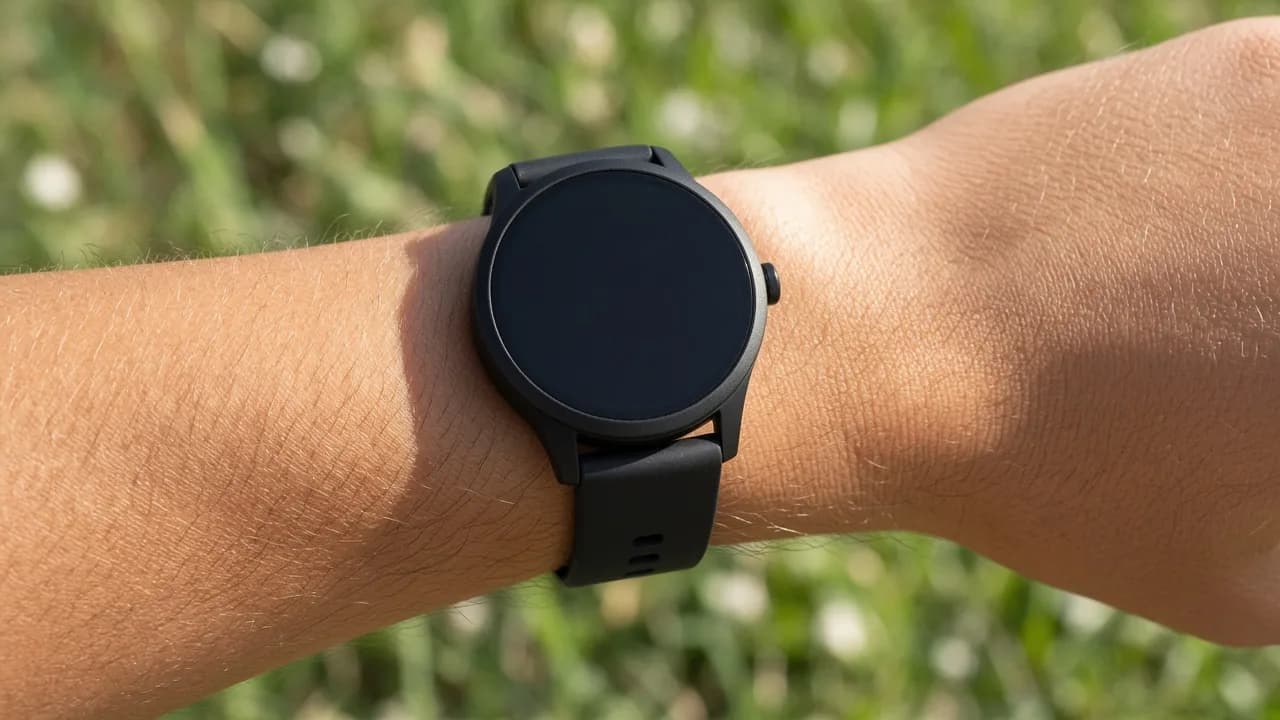
Techanic Infotech develops wearable applications that connect users, smart devices, sensors, mobile apps, cloud platforms, administrators, and business systems through structured digital workflows. We build solutions for smartwatches, fitness bands, activity trackers, health wearables, industrial devices, connected accessories, notifications, sensor data, location features, companion apps, device synchronization, analytics, and administrative management. Our development approach focuses on lightweight interfaces, reliable device connectivity, battery conscious functionality, secure data exchange, responsive synchronization, scalable cloud architecture, and flexible integrations for consumer, healthcare, fitness, enterprise, safety, and IoT focused wearable products.
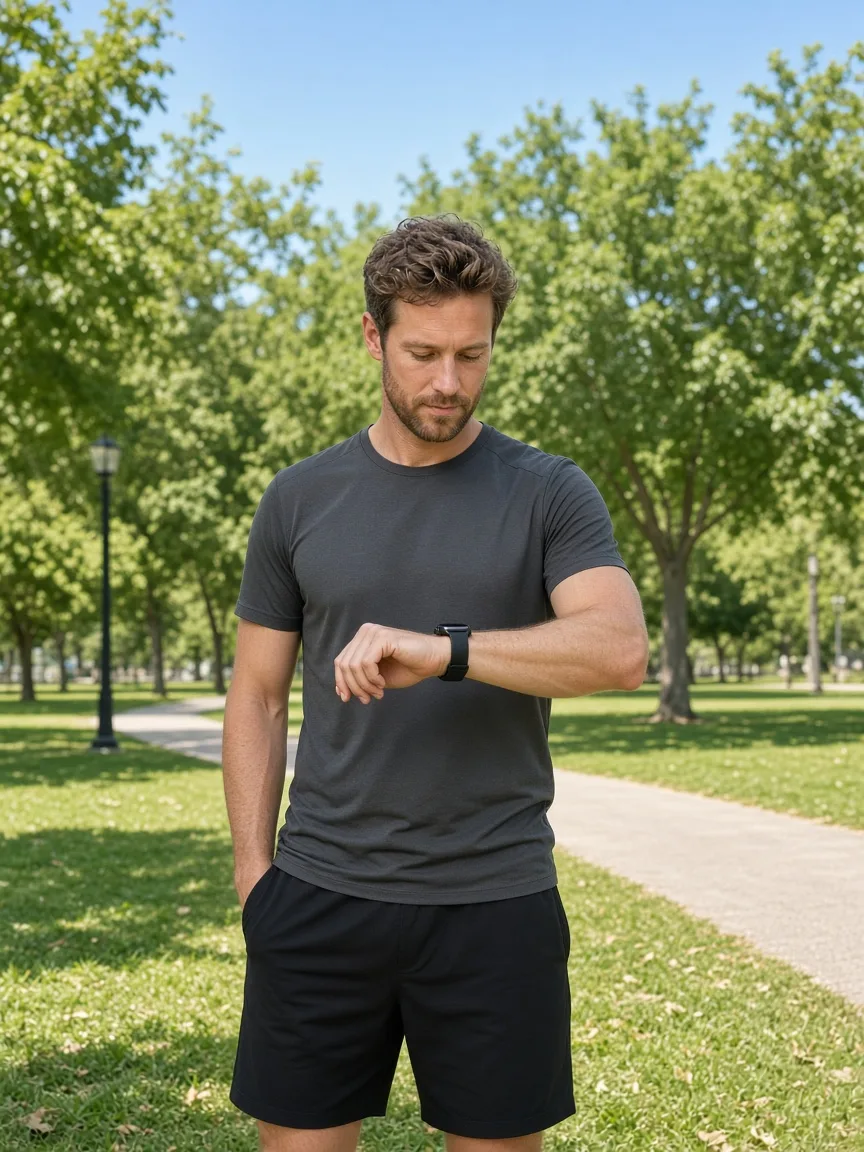
Wearable applications require reliable device communication, efficient data synchronization, secure sensor handling, responsive mobile experiences, and scalable backend infrastructure.
We provide wearable app development services for startups, healthcare companies, fitness businesses, consumer electronics brands, enterprises, IoT companies, sports organizations, and businesses building connected device ecosystems.

Build custom wearable applications around your device hardware, target users, sensor inputs, companion app requirements, notifications, connectivity, data synchronization, cloud services, analytics, and business workflows.
Whether you are planning a smartwatch app, fitness tracker platform, health wearable product, safety device, enterprise wearable, or connected IoT solution, Techanic Infotech can help define device workflows, mobile synchronization, sensor data, cloud architecture, security, and scalable integrations.

Wearable products differ by hardware, sensors, connectivity, battery requirements, target users, and industry use cases. We build solutions around how devices collect, process, display, and synchronize data.
Build smartwatch experiences for notifications, quick actions, reminders, fitness information, communication, location services, productivity tools, and connected mobile functionality.
Wearable applications may process sensor information, health related data, location history, device identifiers, user profiles, activity records, payment information, and connected device data. Security and privacy controls should reflect the device type, industry, target market, and applicable requirements.
Support protected login, account recovery, session controls, and suitable authentication for mobile, web, and administrative access.
Separate permissions for users, professionals, support teams, device managers, enterprise administrators, and platform operators.
Use secure pairing, tokens, certificates, keys, or supported device identity mechanisms for connected wearable hardware.
Protect activity, biometric, location, device, and other supported sensor information according to user permissions and platform requirements.
Support configurable consent, data sharing, account preferences, connected device permissions, and user controlled access where appropriate.
Apply suitable safeguards to health related data and restrict access according to the platform's intended use and applicable requirements.
Use appropriate permissions for GPS, geofences, route history, location sharing, and background location functionality.
Use secure APIs, encrypted communication, credential management, and controlled access for mobile, cloud, healthcare, enterprise, and IoT integrations.
Apply suitable encryption for sensitive information in transit and, where appropriate, at rest.
Test authentication, device pairing, synchronization, APIs, permissions, sensor data, notifications, integrations, and administrative functionality before launch.
Techanic Infotech can develop original wearable applications inspired by familiar smartwatch, fitness, and connected device experiences while using custom architecture, interfaces, workflows, integrations, and source code without copying proprietary technology or protected assets.
Tap to flip and read details
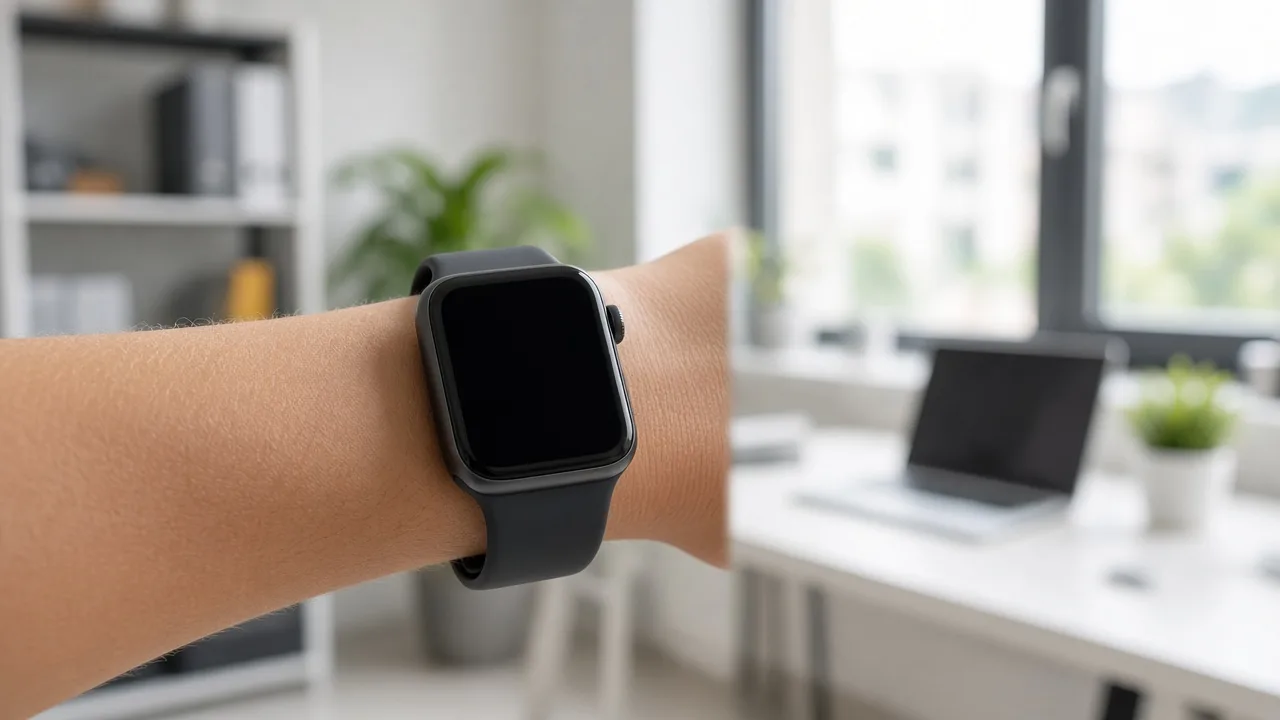
Build an original smartwatch experience with notifications, activities, quick actions, health information, communication, and companion mobile functionality.
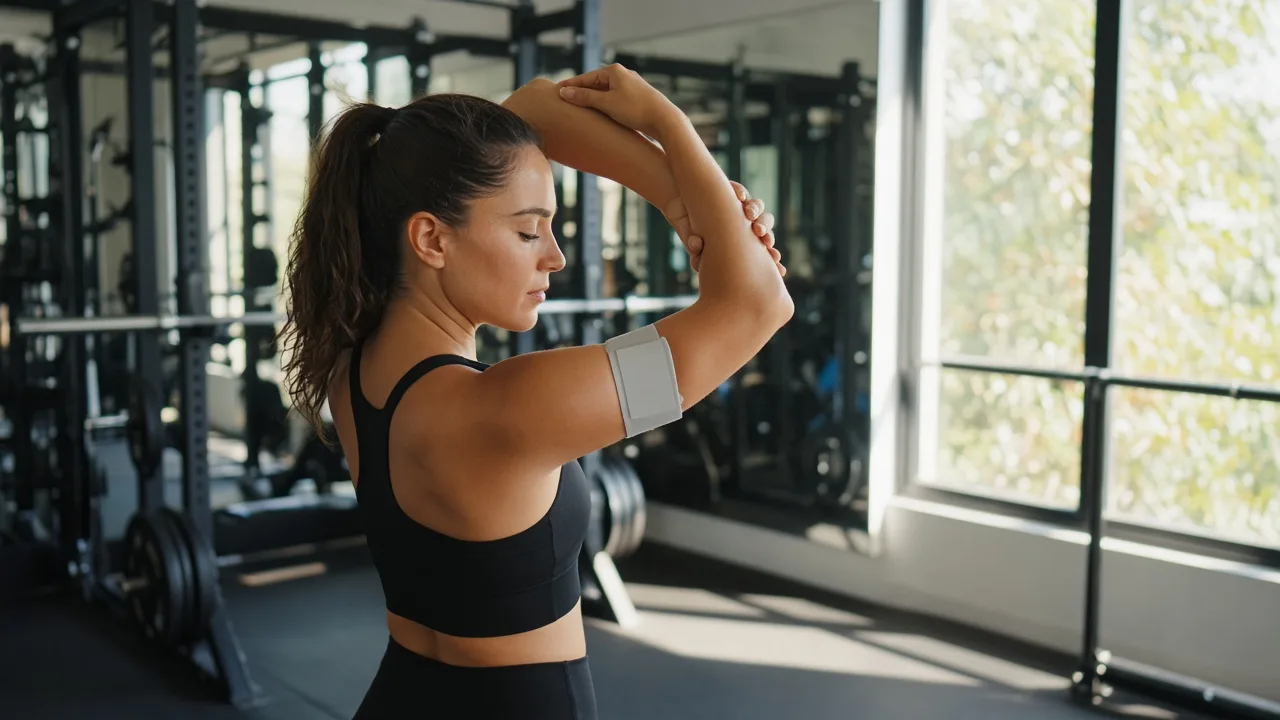
Tap to flip and read details
Develop a fitness wearable platform with steps, workouts, activity history, goals, sleep related data where supported, progress analytics, and user dashboards.
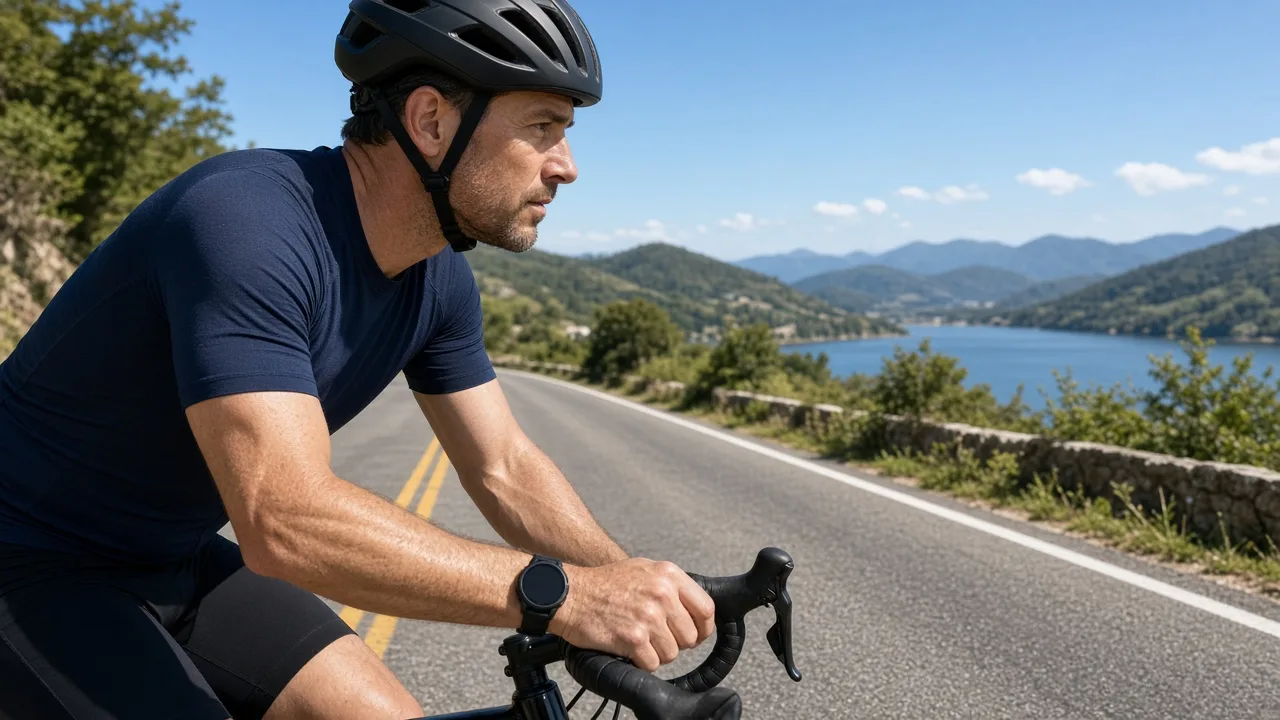
Tap to flip and read details
Create an original sports and fitness ecosystem with connected devices, workouts, activities, GPS information, performance data, reports, and mobile synchronization.

Tap to flip and read details
Build a wellness platform connecting supported devices with activity, exercise, health information, goals, trends, and personalized user dashboards.

Tap to flip and read details
Develop an original wearable performance experience with activity data, recovery related indicators where supported, trends, training information, and personalized summaries.
The following conceptual examples illustrate wearable technology products that can be developed for fitness, health, safety, sports, consumer electronics, and enterprise businesses.
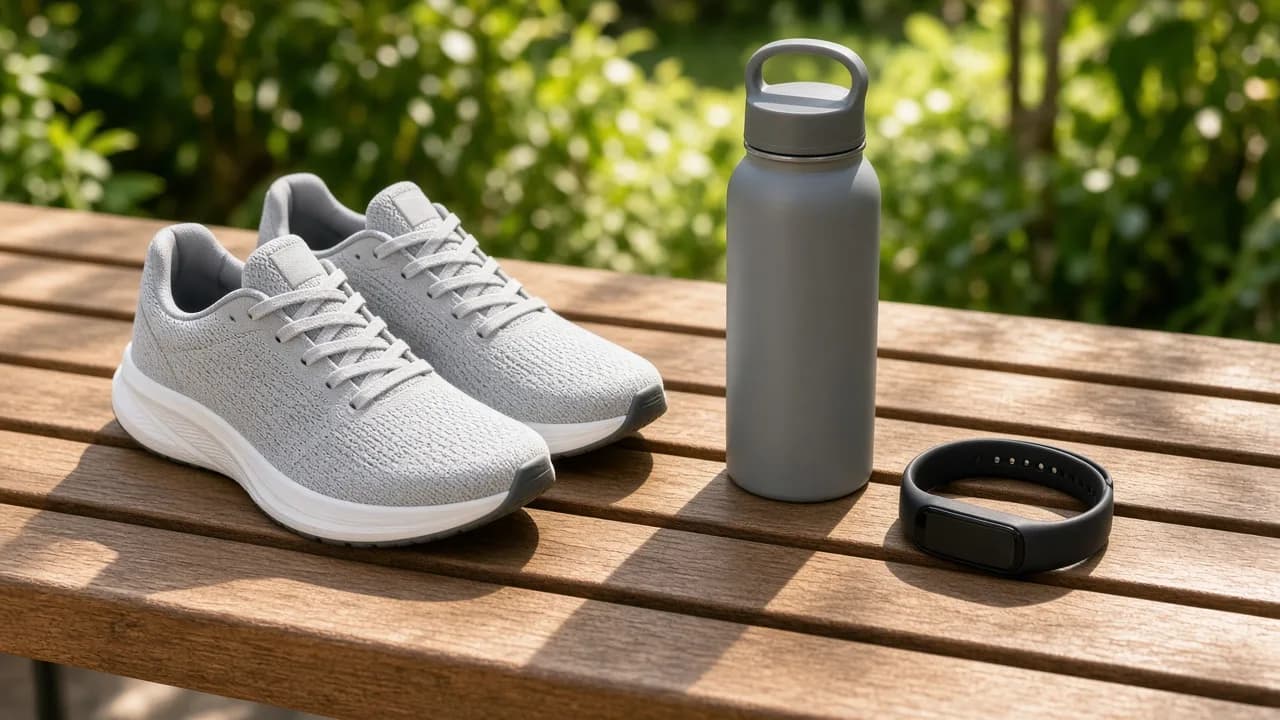
A fitness wearable ecosystem with workouts, steps, goals, device synchronization, activity history, notifications, achievements, and analytics.
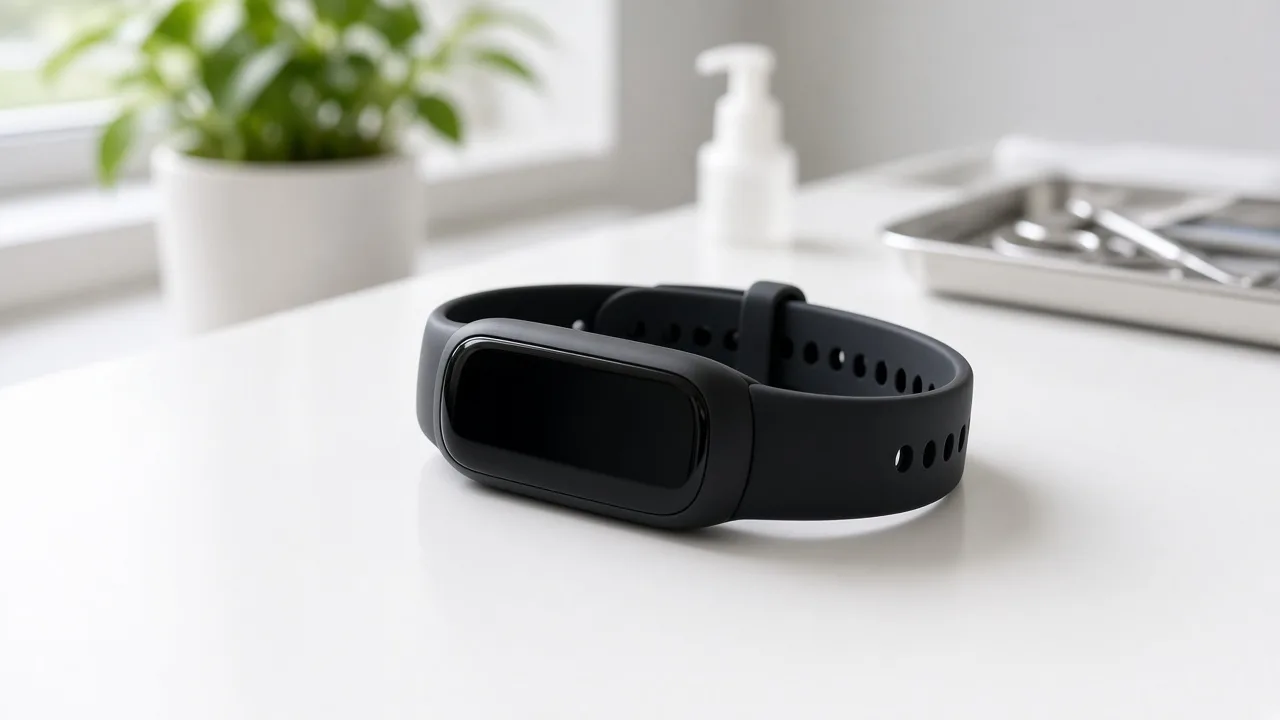
A health wearable concept with supported sensor readings, historical information, configurable alerts, reports, and authorized data sharing.

An employee safety wearable system with device status, SOS events, location information, check ins, notifications, and incident records.

A sports performance platform with workouts, GPS sessions, activity information, training history, athlete goals, and progress reports.
A connected wearable and accessory platform with device pairing, location information, alerts, status monitoring, firmware details, and user management.
Wearable platforms require coordinated functionality for users, administrators, and device or operations teams.
Features that help users connect devices, access information, and manage wearable experiences.
Central controls for users, devices, data, integrations, and platform operations.
Tools for teams responsible for connected hardware and operational monitoring.
The final feature set should reflect wearable hardware, sensors, communication protocols, target users, battery requirements, mobile platforms, data frequency, security, and business model.
Techanic Infotech is committed to delivering high quality software through strong engineering, transparent communication, and long term client partnerships. Our reputation is built on successful project delivery, client satisfaction, and continuous innovation across mobile and web application development.
Explore our verified client reviews, business profiles, technology expertise, and successful project deliveries to learn why businesses choose Techanic Infotech as their technology partner.
Techanic Infotech can help define device workflows, user experiences, sensor data, connectivity, synchronization, notifications, cloud infrastructure, mobile applications, analytics, security controls, and scalable technical architecture.
AI, edge processing, IoT, sensor technology, and connected cloud services can make wearable products more responsive and useful when implemented with transparent controls and appropriate human oversight.
Turn supported activity and sensor information into understandable summaries that help users review historical patterns and device activity.
Identify notable changes or recurring patterns in supported device data for user or authorized professional review.
Process selected information directly on supported wearable devices or companion applications to reduce latency, bandwidth use, and unnecessary cloud transfers.
Organize reminders, device alerts, activity updates, and operational notifications based on user settings and configured platform rules.
Analyze battery behavior, connectivity, device activity, firmware information, and fault signals to help operations teams identify hardware requiring review.
Support suitable voice commands, taps, gestures, haptic actions, and hands free interactions where wearable hardware capabilities allow.
Analyze device usage, feature adoption, synchronization, sensor activity, engagement, battery information, and platform performance to support product planning.
Wearable applications can support several commercial models depending on whether the product is paired with proprietary hardware, offered as SaaS, distributed to consumers, or licensed to businesses.
Generate revenue beyond hardware sales.
Offer monthly or annual access to premium analytics, extended history, additional insights, advanced goals, cloud storage, or enhanced device functionality.
Select a model on the ring to explore the revenue mix.
“Our product needed reliable synchronization between the wearable, mobile app, and cloud platform. The team helped us structure that communication clearly and kept the user experience simple.”
“Activity data, goals, notifications, and device pairing were central to our application. The development process remained organized as we refined synchronization and analytics.”
“We needed support for connected hardware alongside mobile and web administration. The platform architecture gave us room to add more devices later.”
“Battery usage and background synchronization were important concerns for our product. The team paid attention to those technical details throughout development.”
Wearable applications combine hardware, sensors, mobile apps, connectivity, cloud services, notifications, data processing, security, and analytics. A capable development partner should understand how these components interact across a connected device ecosystem.
We structure platforms around device pairing, sensor information, synchronization, notifications, user dashboards, cloud services, mobile applications, device settings, and analytics.
Product strategists, UX designers, mobile and web developers, backend engineers, IoT specialists, quality engineers, and project managers collaborate throughout development.
Build wearable applications, mobile companion apps, administrative dashboards, backend APIs, device integrations, databases, notifications, analytics, and cloud services as one connected product.
Develop functionality in structured stages so product teams, hardware engineers, operations staff, designers, and technical stakeholders can review device workflows throughout implementation.
Select architecture around device volume, sensor frequency, synchronization, connectivity, battery constraints, cloud processing, concurrent users, security requirements, and future hardware expansion.
Continue improving the platform through device integration updates, operating system changes, firmware coordination, security improvements, performance optimization, analytics enhancements, and new wearable features.
Wearable platforms require technology capable of supporting compact interfaces, Bluetooth and IoT connectivity, sensor processing, mobile synchronization, cloud services, analytics, and secure device communication.
Swipe or tap to switch tech categories
We structure wearable app development around hardware, users, sensors, connectivity, synchronization, security, analytics, and long term product scalability.
We define wearable hardware, target users, sensors, operating systems, connectivity, synchronization, battery requirements, companion apps, cloud services, integrations, security expectations, and business objectives.
These answers cover common questions about planning, developing, integrating, monetizing, launching, and scaling wearable applications.
Explore articles covering wearable app development, smartwatch applications, fitness tracker software, health wearables, IoT devices, Bluetooth integration, sensor technology, AI in wearable apps, wearable security, and connected device trends.