Key Takeaways
The cost to develop an app like The Lott typically ranges from $30,000 to $300,000+, depending on features, platform, and complexity.
Key features such as secure payments, lottery ticket purchase, result updates, and notifications significantly impact development costs.
Frontend, backend, UI/UX design, and API integrations make up the largest portion of the development budget.
The development team’s location and hourly rates strongly influence pricing, with Asian developers generally costing less than Western teams.
Post-launch expenses like maintenance, updates, marketing, and legal compliance add ongoing costs after the app goes live.
Businesses are increasingly exploring lottery-style mobile platforms to engage users and create new revenue streams.
Apps similar to Lott combine entertainment, real-time participation, and secure payment systems, making them popular among modern digital audiences.
Before launching such a platform, understanding the Lott-like app development cost is essential for proper planning and budgeting.
The overall cost depends on several factors, including app features, platform choice, UI/UX design, backend infrastructure, and third-party integrations.
From basic lottery functionalities to advanced analytics and payment security, every element affects the final investment.
In this comprehensive guide, we will break down the key factors, essential features, and development steps that influence the cost of Lott-like app development, helping businesses make informed decisions before starting their project.
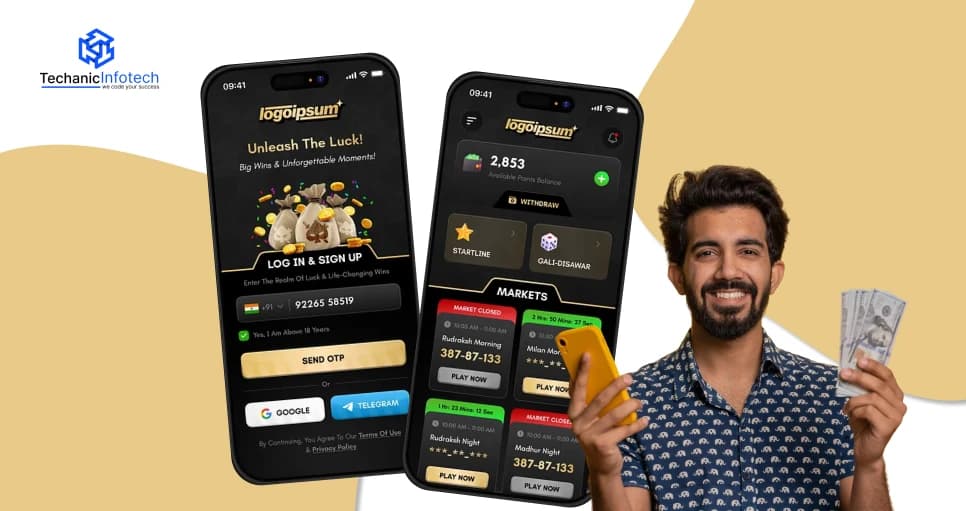
A Lott-like app is a digital lottery platform that allows users to buy tickets, participate in draws, and win rewards directly from their smartphones.
These apps combine gaming features, secure payments, and real-time results to create an engaging user experience.
User Registration: Users sign up, create an account, and verify their identity to access the platform and participate in lottery games.
Ticket Purchase: Players select a game, choose numbers or quick picks, and buy lottery tickets using secure in-app payment methods.
Live Draw or Automated Results: The system runs scheduled draws or automated number selections to determine the winning combinations.
Prize Distribution: Winners receive rewards based on the results, and payouts are processed through digital wallets or connected payment systems.
Developing a lottery-style mobile platform involves multiple technical and strategic decisions. From design to infrastructure, each element influences the cost to develop a lottery app like Lott. Understanding these factors helps businesses plan development timelines and budgets more effectively.
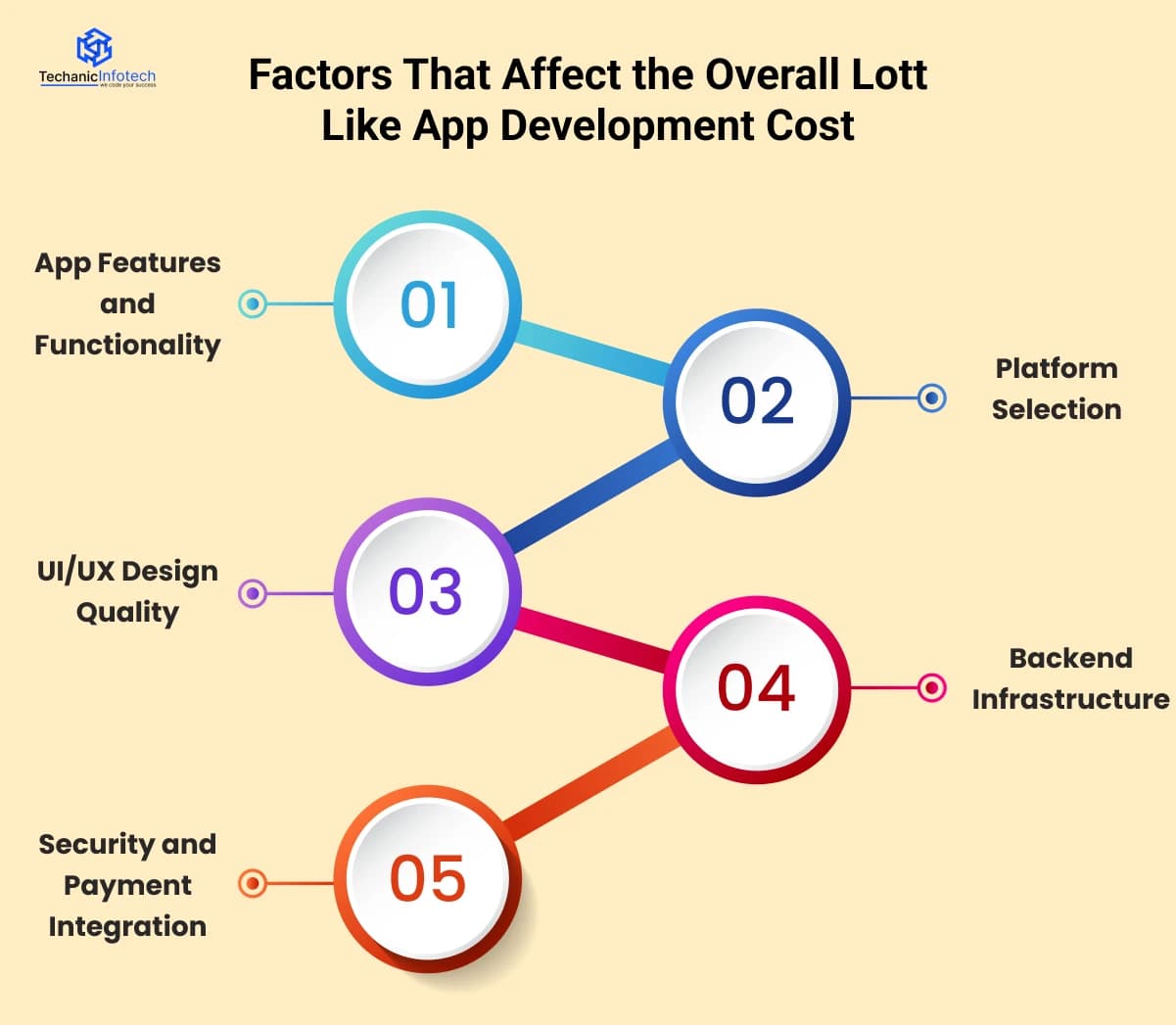
The number and complexity of mobile app features play a major role in development costs. Basic ticket purchasing and draw systems require less effort, while advanced features like live draws, push notifications, and analytics increase development time.
Choosing between Android, iOS, or cross-platform development directly impacts the budget. A detailed lottery app pricing breakdown often shows higher costs when businesses build separate native apps for both platforms.
An engaging interface helps users easily navigate the app and participate in draws. Custom UI elements, smooth animations, and intuitive layouts require additional design work, increasing the overall development investment.
A strong backend ensures smooth ticket purchases, user management, and real-time results. Following a reliable mobile app tech stack guide helps developers choose scalable technologies for databases, servers, and APIs.
Lottery apps handle financial transactions and sensitive user data. Secure payment gateways, encryption protocols, and fraud prevention systems must be implemented carefully to maintain trust and control the overall lottery app development budget.
Developing a lottery-style platform requires planning across design, infrastructure, and advanced features.
The Lott app development cost can vary widely depending on complexity, scalability, and security requirements. Below is an estimated breakdown of development stages and their associated costs.
Before development begins, businesses must study competitors, regulations, and user demand. Planning helps estimate the cost to develop a lottery app like Mahzooz while defining features, monetization strategies, and long-term scalability.
|
Component |
Description |
Estimated Cost |
|
Market Analysis |
Competitor and audience research |
$30,000 |
|
Business Planning |
Revenue model and roadmap |
$35,000 |
|
Technical Strategy |
Development architecture planning |
$40,000 |
Design plays a key role in attracting and retaining users. A clean interface, smooth navigation, and interactive layouts influence the custom lottery app development cost, especially when building unique visual elements.
|
Component |
Description |
Estimated Cost |
|
Wireframing |
Layout structure and navigation |
$40,000 |
|
Prototype Design |
Interactive user flow testing |
$45,000 |
|
Final UI Design |
Visual design and branding |
$50,000 |
Frontend development focuses on building the user-facing part of the application. The complexity of interfaces, real-time updates, and device compatibility can directly impact the Lott clone app development cost.
|
Component |
Description |
Estimated Cost |
|
Android App Development |
Native Android interface |
$60,000 |
|
iOS App Development |
Native iOS interface |
$70,000 |
|
Cross-Platform Development |
Shared codebase development |
$80,000 |
A strong backend is essential for building a mobile app that handles user accounts, transactions, and draw results efficiently. Scalable servers and databases ensure smooth performance for thousands of users.
|
Component |
Description |
Estimated Cost |
|
Server Infrastructure |
Cloud hosting setup |
$80,000 |
|
Database Development |
Secure data storage |
$90,000 |
|
API Integration |
Communication between systems |
$100,000 |
Lottery platforms require secure payment processing to handle ticket purchases and prize payouts. Advanced security and multiple payment options significantly influence the online lottery app development cost.
|
Component |
Description |
Estimated Cost |
|
Payment Gateway Setup |
Integration with payment providers |
$100,000 |
|
Security Compliance |
Encryption and fraud prevention |
$110,000 |
|
Transaction Monitoring |
Payment verification tools |
$120,000 |
The lottery engine manages number generation, draw scheduling, and prize calculations. Developing a secure and transparent system plays a major role in determining the Lott style app development cost.
|
Component |
Description |
Estimated Cost |
|
Game Logic Development |
Lottery mechanics and rules |
$120,000 |
|
Random Number Generator |
Fair and secure draws |
$130,000 |
|
Prize Distribution System |
Automated reward processing |
$140,000 |
Testing ensures every feature works smoothly across devices. A structured mobile app development process includes functionality checks, performance testing, and security validation before launching the platform.
|
Component |
Description |
Estimated Cost |
|
Functional Testing |
Feature and workflow validation |
$150,000 |
|
Security Testing |
Data protection checks |
$170,000 |
|
Performance Testing |
Load and stress testing |
$200,000 |
After development, the app must be deployed on app stores and regularly updated. Ongoing improvements, monitoring, and support are essential when estimating the lottery app development cost in 2026.
|
Component |
Description |
Estimated Cost |
|
App Store Deployment |
Publishing and launch setup |
$220,000 |
|
Ongoing Maintenance |
Updates and bug fixes |
$250,000 |
|
Feature Enhancements |
Adding new capabilities |
$300,000 |
Developing a lottery-style platform requires careful planning and smart budgeting. By following modern mobile app development trends and efficient development strategies, businesses can control expenses while still delivering a secure, scalable, and high-quality application.
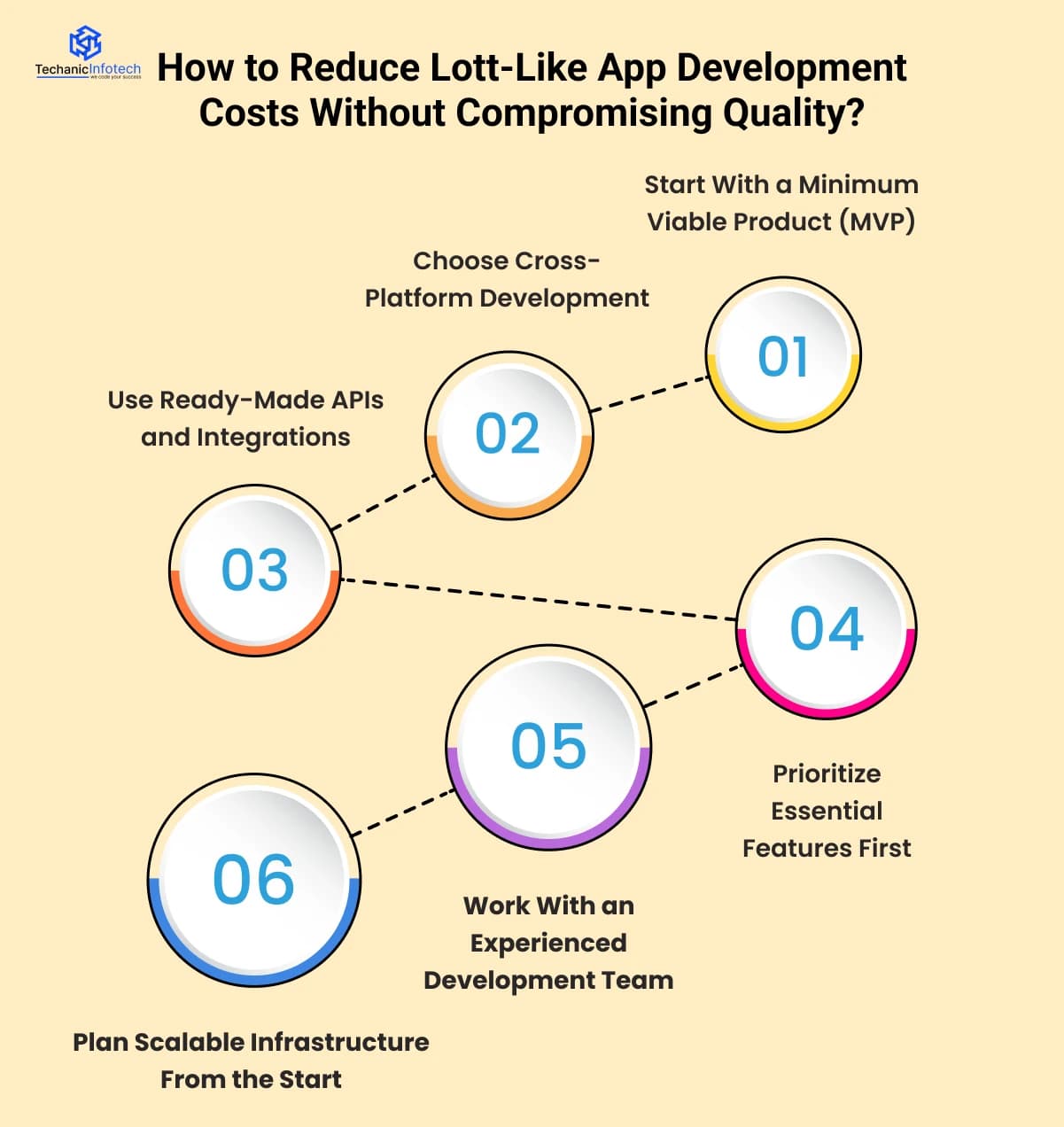
Launching with an MVP helps businesses focus on essential features such as registration, ticket purchasing, and draw results. This approach reduces initial investment while validating the app idea before expanding functionality.
Using cross-platform frameworks allows developers to build one codebase for both Android and iOS. This reduces development time, simplifies maintenance, and helps businesses save significant resources during the development process.
Integrating reliable third-party APIs for payments, notifications, and analytics saves time and development effort. This strategy can significantly lower the cost to develop a lottery app like Lott while maintaining secure and reliable functionality.
Focusing on core features during the early stage prevents unnecessary spending. Businesses can launch faster and gradually add advanced tools like loyalty programs, analytics dashboards, and gamification in future updates.
Hiring experienced developers improves efficiency and reduces the risk of costly mistakes. A skilled team understands security, compliance, and architecture requirements that can influence the overall lottery ticket app development cost.
Using a scalable cloud infrastructure ensures the app can handle future growth. Planning this early helps businesses avoid expensive upgrades later and better manage the long-term mobile app development cost.
Launching a lottery platform involves strict legal compliance and operational planning. Regulations, licensing, and security standards can influence the Lott-like app development cost, making it essential for businesses to understand legal requirements before building the platform.
Before launching a lottery platform, businesses must secure valid gambling licenses from authorized regulators. Licensing requirements can influence the Lott clone app development cost, especially when operating across multiple regions.
Different countries and states enforce unique gambling laws. Lottery apps must comply with these rules regarding ticket sales, prize distribution, and operational transparency to legally offer services to users.
Identity verification systems help prevent underage gambling and fraudulent activities. These systems can impact the mobile app development timeline, as developers must implement KYC checks, age verification, and secure user authentication.
Legal compliance should be integrated early in the minimum viable product development stage. Including regulatory requirements from the beginning helps businesses avoid costly redesigns or legal complications after launching the platform.
Lottery platforms must implement strong financial security measures. Secure payment gateways, encryption technologies, and fraud detection systems help protect transactions and ensure compliance with financial regulations.
Choosing an experienced mobile app development service helps businesses navigate technical and legal complexities. Professional developers understand compliance requirements and can build secure, scalable lottery applications aligned with industry standards.
Building a lottery platform requires careful planning, the right technology stack, and strict legal compliance.
From feature selection to backend infrastructure, every stage plays a role in shaping the overall Lott-like app development cost.
Businesses must consider user experience, payment security, scalability, and regulatory requirements before launching a lottery-style application.
Starting with a clear strategy and prioritizing essential features can help reduce risks and manage development budgets effectively. Partnering with an experienced development team also ensures smooth implementation and long-term platform stability.
As the demand for digital gaming platforms continues to grow, investing in a well-designed and secure lottery application can create strong business opportunities while delivering an engaging experience for users.
The cost to develop a Lott-like app usually ranges from $30,000 to $300,000. The final price depends on app features, platform selection, UI design, backend infrastructure, and security requirements.
Developing a lottery app like Lott typically takes three to six months. The timeline depends on project complexity, feature requirements, development approach, and testing processes before launch.
A Lott-like app should include user registration, ticket purchasing, draw management, secure payments, push notifications, user dashboards, and result tracking to deliver a smooth and engaging lottery experience.
Yes, but legality depends on local gambling regulations. Businesses must obtain proper licenses, follow regional laws, implement age verification, and ensure secure payment systems before launching an online lottery platform.
Businesses can reduce development costs by starting with an MVP, using cross-platform development, integrating third-party APIs, prioritizing core features first, and working with an experienced development team.


Bharat Sharma is the CTO of Techanic Infotech, bringing deep technical expertise in software architecture, mobile app development, and scalable system design. He leads the engineering team with a strong focus on innovation, performance, and security.