Key Takeaways
A clear strategy, proper research, and defined goals help ensure smooth development, reduce risks, and improve long-term success chances.
Advanced, user-friendly features like tracking, personalisation, and search enhance engagement, improve user experience, and increase customer retention significantly.
Development costs vary between $10,000 and $120,000, depending on features, complexity, integrations, and the development team you choose.
Using commissions, subscriptions, ads, and delivery charges helps generate consistent revenue while ensuring long-term profitability and business growth.
Building a flexible, scalable app ensures smooth performance, supports growing user demand, and keeps your platform competitive in the evolving market.
Consumers today expect instant access to meals, real-time tracking, and personalised choices, but how can businesses build an app that delivers all this seamlessly?
Zomato-like app development gives companies the opportunity to create feature-rich food delivery platforms tailored to modern user behaviour.
In this guide, we’ll explore key features, development steps, cost factors, and the overall benefits of launching such an app in 2026.
You’ll learn how to plan, design, and scale your platform effectively. For businesses, investing in Zomato-like app development can lead to higher customer engagement, multiple revenue streams, and long-term growth in the competitive on-demand food delivery market.
Food delivery apps have become part of daily life, and Zomato-like app development plays a key role in delivering speed, variety, and convenience through seamless, user-focused digital experiences.
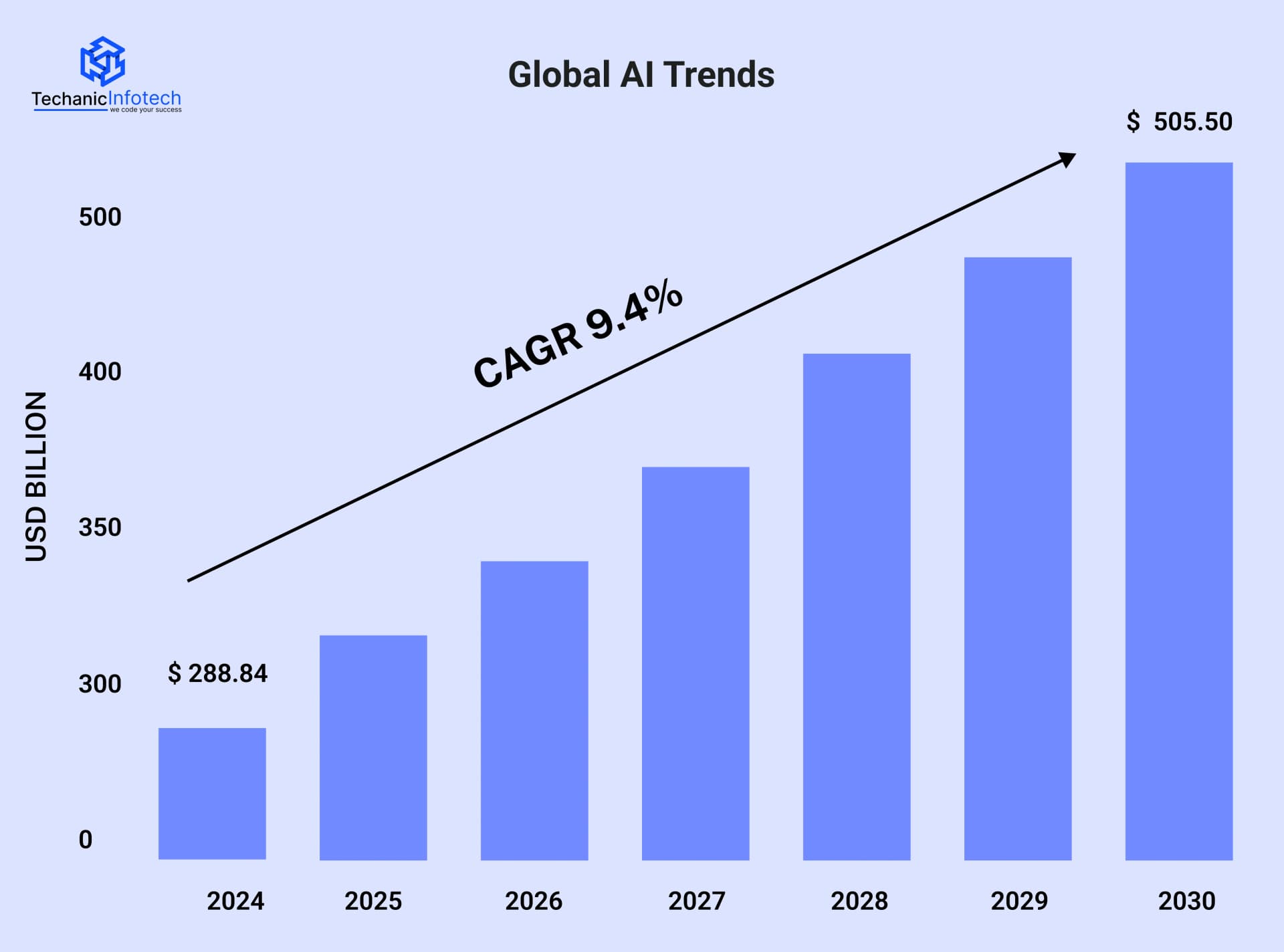
Users can browse menus, place orders, and track deliveries in real time, making the process effortless. The global online food delivery market is projected to reach $505.5 billion in 2030, showing massive user adoption.
Zomato-like apps offer multiple cuisines, restaurants, and personalised recommendations. Users can explore new options, filter choices, and enjoy a tailored experience that matches their preferences and ordering habits.
Live tracking, estimated delivery times, and quick service improve user trust and satisfaction. The food delivery app market is expected to grow significantly, reaching $593.9 billion by 2035, driven by convenience and mobile usage.
Food delivery has evolved from simple phone orders to seamless digital experiences—but how do apps like Zomato truly transform the way people order food? These platforms combine convenience, technology, and personalisation to reshape user expectations.
Apps like Zomato simplify the entire ordering process. Users can browse menus, compare options, and place orders within seconds, eliminating traditional hassles and creating a smooth, user-friendly experience that saves time and effort.
Live tracking allows users to monitor their orders from preparation to delivery. This transparency builds trust, reduces uncertainty, and keeps users informed with accurate delivery updates and estimated arrival times.
These apps use user data and preferences to suggest restaurants, dishes, and offers. Personalised experiences help users discover new options while increasing engagement and satisfaction with tailored content.
Flexible payment methods, including cards, wallets, and cash on delivery, make transactions easy. Secure payment systems ensure user trust while offering convenience and smooth checkout experiences across different platforms.
Apps bridge the gap between restaurants and customers by offering reviews, ratings, and direct communication. This connection improves decision-making, enhances transparency, and helps restaurants reach a wider audience.
A modern food delivery app needs more than basic tools to stand out. The right Zomato app features can enhance convenience, boost engagement, and create a seamless ordering experience that keeps users coming back.
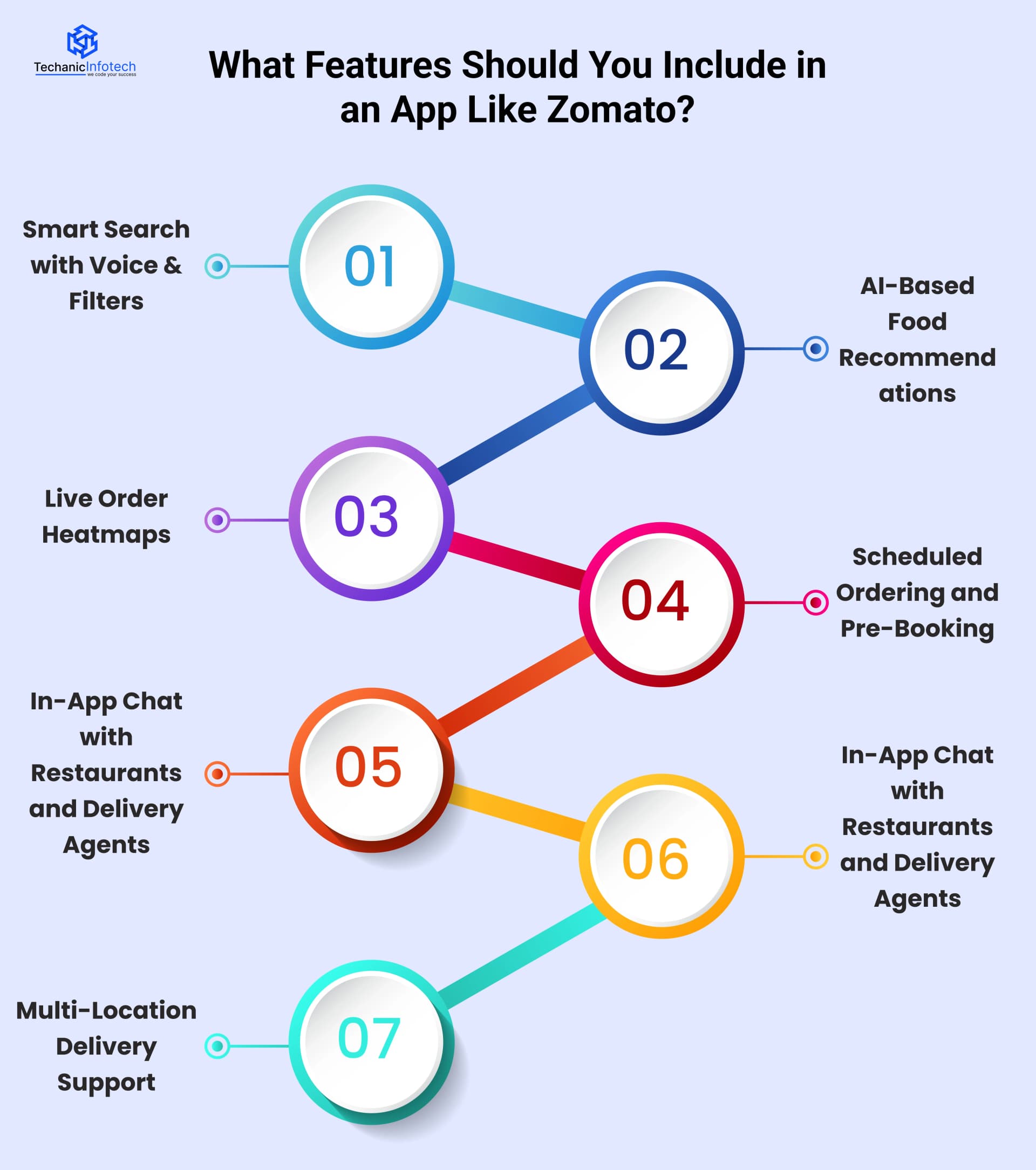
Let users search using voice commands or smart filters like mood, cuisine, or dietary needs. This makes discovery faster and adds a modern, intuitive layer to the overall user experience.
Use advanced AI tools for mobile app development to suggest dishes based on past orders, time of day, or preferences. This improves personalisation, increases engagement, and helps users easily discover relevant food options.
Show trending dishes and popular restaurants in real time using heatmaps. This feature builds social proof, helps users make quicker decisions, and highlights high-demand food options dynamically within the app.
Allow users to schedule meals in advance for specific times. This is ideal for busy users, ensuring timely delivery while reducing the stress of last-minute ordering and improving overall convenience.
Enable real-time chat for order customisation or delivery instructions. This improves communication, minimises errors, and enhances the overall user experience during the ordering process.
Introduce rewards, discounts, and badges for frequent users. Gamification increases engagement, encourages repeat orders, and builds long-term customer loyalty in a competitive food delivery market.
Allow users to send orders to different locations, such as friends or family. This feature strengthens on-demand food delivery app development by expanding usability and making the platform more flexible and user-friendly.
Building a Zomato-like app requires a structured process to ensure performance, scalability, and user satisfaction. If you plan to create a food delivery app in 2026, following a clear roadmap helps you deliver a seamless experience.
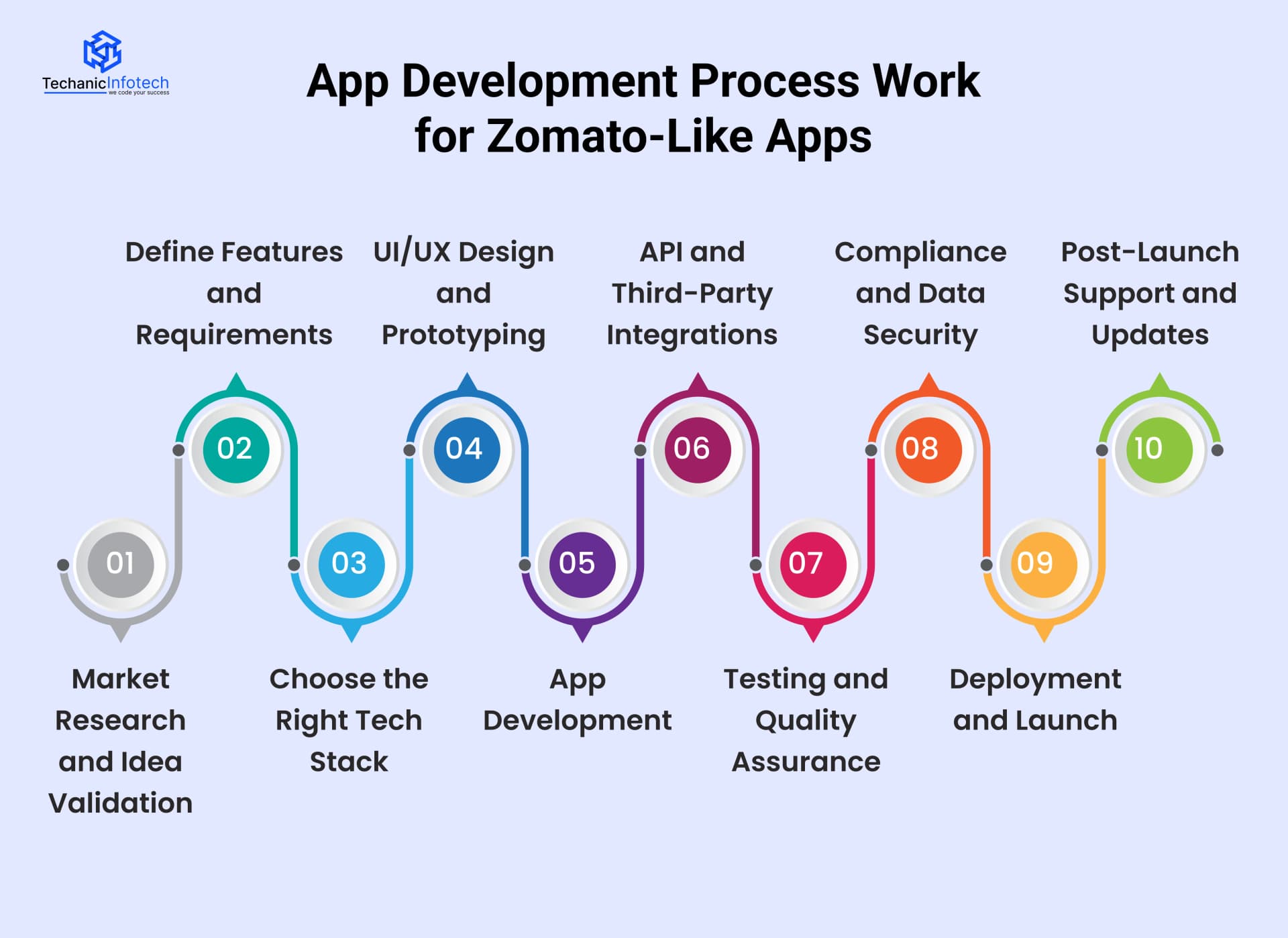
Start by analysing your audience, competitors, and market trends. Focus on creating a minimal viable product to validate your idea early and ensure your app solves real user problems effectively.
Outline essential features like ordering, tracking, and payments. A strong food delivery app development plan with clear requirements helps streamline workflows and ensures your team builds exactly what users need
Select the right tech stack for mobile app development to ensure scalability and performance. Choose reliable frameworks, backend systems, and cloud services that support long-term growth and smooth operations.
Design intuitive interfaces and user journeys to build an app like Zomato. Focus on simplicity, fast navigation, and engaging design to deliver a seamless and enjoyable user experience.
Develop core functionalities with the help of professional mobile app development services. Ensure your app is responsive, fast, and capable of handling multiple users and orders simultaneously.
Integrate essential APIs like payment gateways, maps, and notifications. A strong Zomato clone app development approach ensures smooth communication between systems and enhances overall app functionality.
Conduct thorough testing for performance, usability, and security. Restaurant delivery app development requires bug-free execution to ensure users enjoy a smooth and reliable ordering experience.
Implement encryption and secure authentication to protect user data. When you develop a food ordering app, maintaining privacy and secure transactions is critical for building user trust.
Launch your app on major platforms and monitor performance closely. Following the latest trends in mobile apps ensures your app meets modern user expectations and stays competitive.
Continuously improve your app with updates and new features. Partnering with a reliable food delivery app development company ensures ongoing support, scalability, and long-term success.
Planning your budget is a key step before development. The cost to build a mobile app like Zomato in 2026 depends on features, complexity, integrations, and team structure, ranging from basic to advanced solutions.
|
Component |
Description |
Estimated Cost (USD) |
|
Market Research & Planning |
Idea validation, competitor analysis, and roadmap |
$10,000 – $15,000 |
|
UI/UX Design |
Wireframes, prototypes, and interface design |
$12,000 – $20,000 |
|
Frontend Development |
User-side development for mobile/web apps |
$15,000 – $30,000 |
|
Backend Development |
Server, database, APIs, and core logic |
$20,000 – $40,000 |
|
Restaurant Panel Development |
Dashboard for restaurant management |
$10,000 – $18,000 |
|
Delivery Partner Module |
Features for delivery tracking and management |
$10,000 – $20,000 |
|
API & Third-Party Integrations |
Payment, maps, notifications, and other services |
$10,000 – $18,000 |
|
Testing & Quality Assurance |
Functional, security, and performance testing |
$10,000 – $15,000 |
|
Deployment & Launch |
App store setup and release |
$10,000 – $12,000 |
|
Maintenance & Updates (Yearly) |
Ongoing improvements and support |
$10,000 – $20,000 |
Monetising a food delivery platform is key to long-term success. A smart approach to Zomato-like app development helps generate consistent revenue while improving user experience through multiple scalable and sustainable income streams.
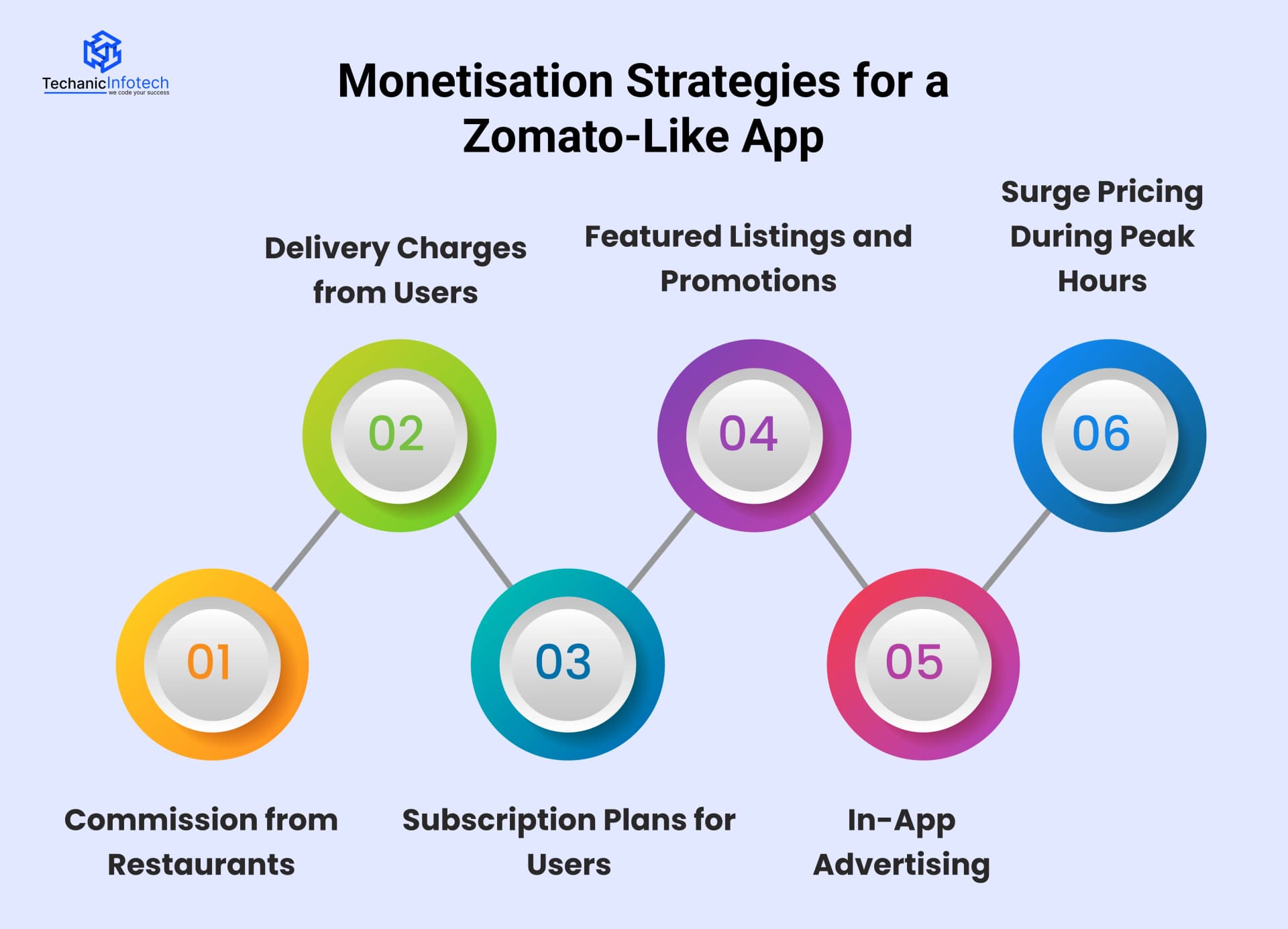
Charge restaurants a percentage on every order placed through your platform. This model scales easily with order volume and remains one of the most reliable revenue streams for food delivery apps.
Collect delivery fees based on distance, demand, or timing. Optimising pricing based on the time to develop a mobile app, features like real-time tracking help balance cost efficiency and user satisfaction.
Offer premium memberships with benefits like free delivery and exclusive deals. If you plan to build an app like Zomato, subscriptions can create recurring revenue while increasing user retention.
Allow restaurants to pay for top placements and visibility. When you develop a food ordering app, this strategy boosts partner exposure while generating additional advertising income for your platform.
Display targeted ads from restaurants or third-party brands. This creates an extra revenue stream without disrupting the user experience, making it a valuable addition to your monetisation strategy.
Apply dynamic pricing during high-demand periods to maximise revenue. In Zomato-like app development, this strategy helps manage demand efficiently while increasing profitability during busy hours.
Building a Zomato-like app in 2026 offers a strong opportunity for businesses looking to enter the on-demand economy.
With the right mix of features, a clear development process, and a well-planned monetisation strategy, you can create a platform that delivers real value to users and partners.
Every stage, from idea validation to post-launch updates, plays a crucial role in long-term success. Focusing on user experience, scalability, and performance will help your app stand out in a competitive market.
As customer expectations continue to evolve, investing in a smart, future-ready food delivery solution can drive consistent revenue, expand your reach, and position your brand for sustainable growth.
Building a Zomato-like app usually takes four to nine months, depending on features, complexity, and integrations. A basic version launches faster, while advanced apps with real-time tracking require more development time.
The cost typically ranges from $10,000 to $120,000 or more. It depends on features, tech stack, design, and development team, with complex functionalities increasing the overall budget significantly
Key features include restaurant listings, search filters, real-time tracking, secure payments, user reviews, and notifications. Advanced features like AI recommendations and loyalty programmes further enhance user engagement and experience.
Yes, it can be highly profitable with revenue streams like commissions, delivery fees, subscriptions, and ads. A strong strategy helps generate consistent income and long-term growth in the food delivery market.
Yes, startups can succeed by launching an MVP first, focusing on core features, and scaling gradually. With the right strategy and user experience, they can compete effectively in the market.


Abhishek Jangid is the CEO of Techanic Infotech, with extensive experience in mobile app and web development. He specializes in helping businesses turn innovative ideas into scalable digital solutions through strategic planning and modern technology.