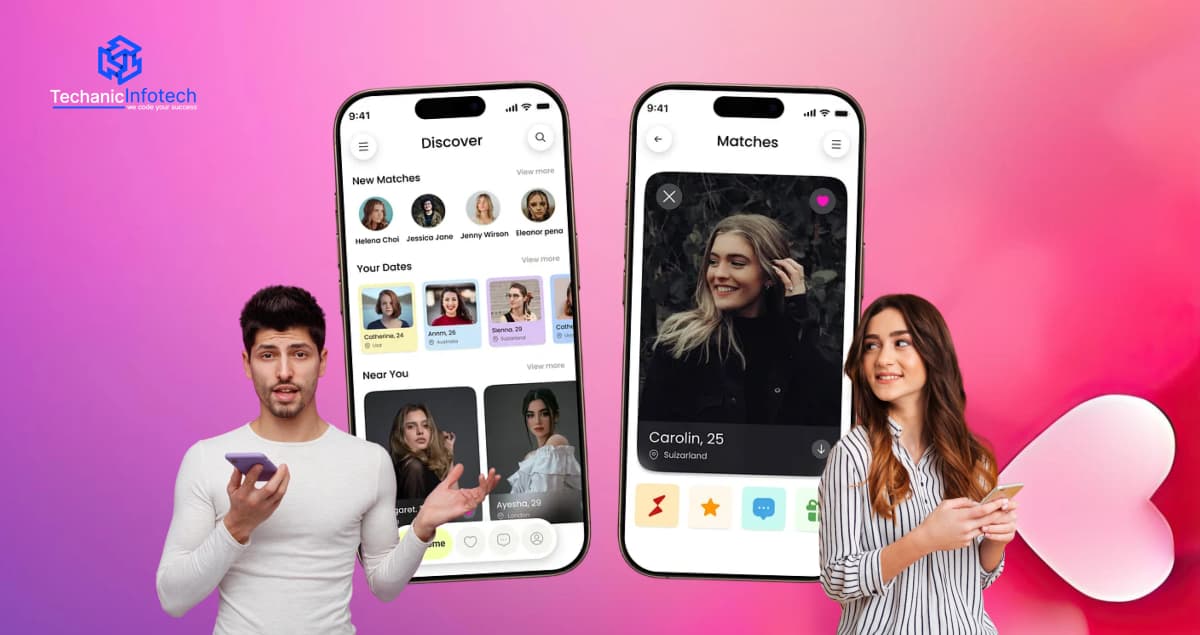
The dating app industry has rapidly evolved into a highly profitable sector, driven by the growing demand for digital connections and the widespread use of smartphones.
As more people turn to online platforms to find love, companionship, or casual connections, dating apps have developed innovative dating app business models to maximize their return on investment (ROI).
These models leverage different strategies, such as offering freemium services, in-app purchases, subscription plans, and ad-based revenue, to create diverse dating app revenue streams.
By providing premium features, exclusive services, and personalized experiences, successful dating apps entice users to pay for added value, ensuring consistent revenue generation.
Additionally, many apps cater to niche markets, targeting specific demographics, interests, or needs, which further boosts their profitability.
As the digital dating landscape continues to expand, understanding these revenue-generating, profitable dating app business models is crucial for investors and entrepreneurs looking to capitalize on this thriving market.
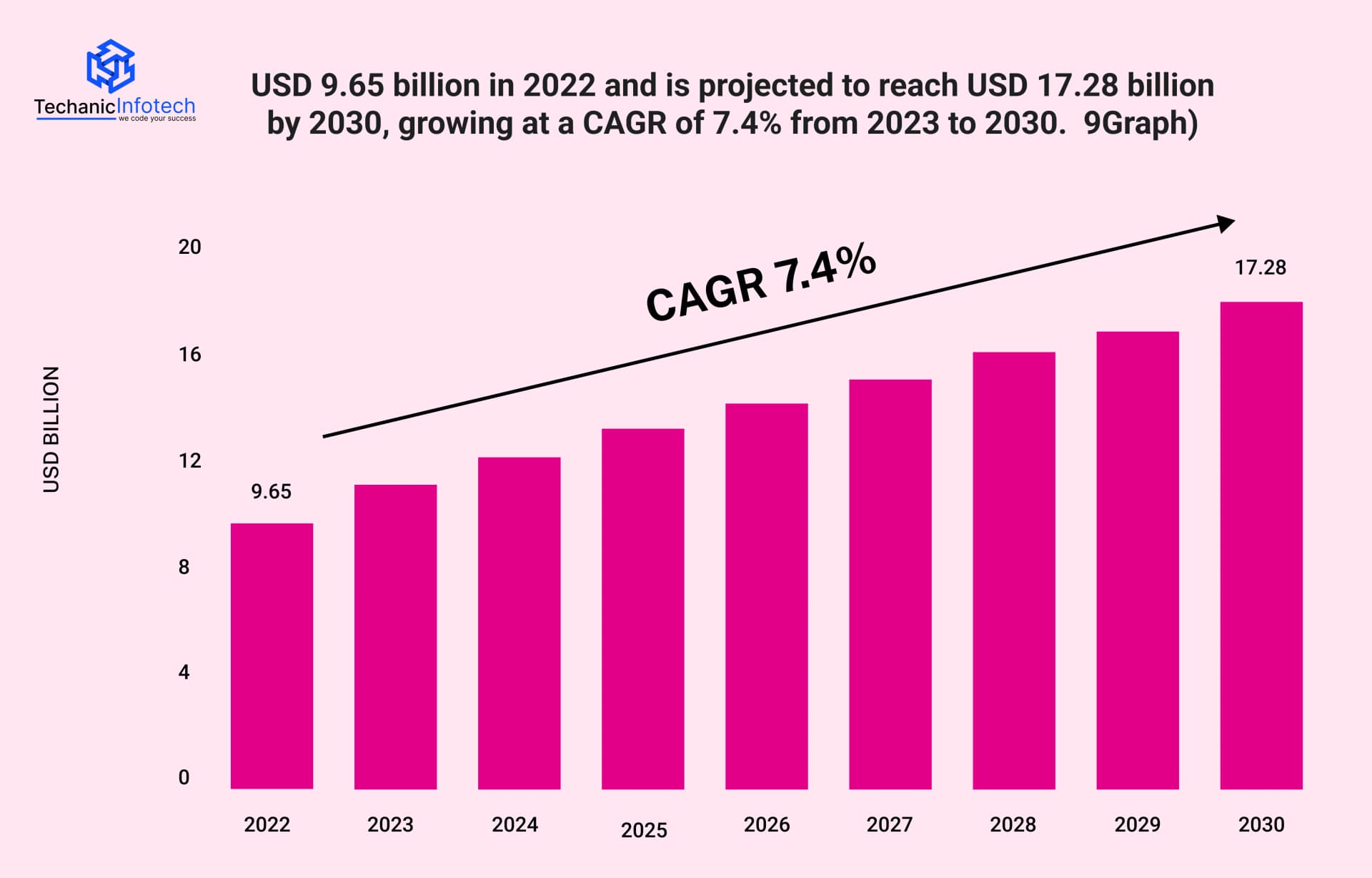
The global online dating market size was estimated at USD 9.65 billion in 2022 and is projected to reach USD 17.28 billion by 2030, growing at a CAGR of 7.4% from 2023 to 2030.
The significant growth in the popularity of online dating apps, such as Tinder and Match Group, among the young population is one of the major factors propelling market growth during the forecast period.
The rising number of users of apps such as Tinder, Bumble, Grindr, and others is further projected to contribute to the market growth. Tinder has significant popularity, with over 6.7 million average subscribers as of the fourth quarter of 2020.
When it comes to discussing dating app revenue models, North America accounted for more than 36% of the global market share in 2022, with the U.S. playing a significant role in driving revenue growth.
The application segment dominated the market, contributing over 82% of the total revenue in 2022, showcasing a strong demand for application-based platforms.
The Subscription-based model led the market, accounting for the largest share of 63% in 2022. This highlights the growing preference for subscription services in the sector.
To stay ahead of the competition and cater to diverse user needs, use a variety of pricing or dating app business models designed to encourage higher engagement and increase customer lifetime value.
Below are some of the most effective pricing strategies that can help dating apps achieve maximum profitability.
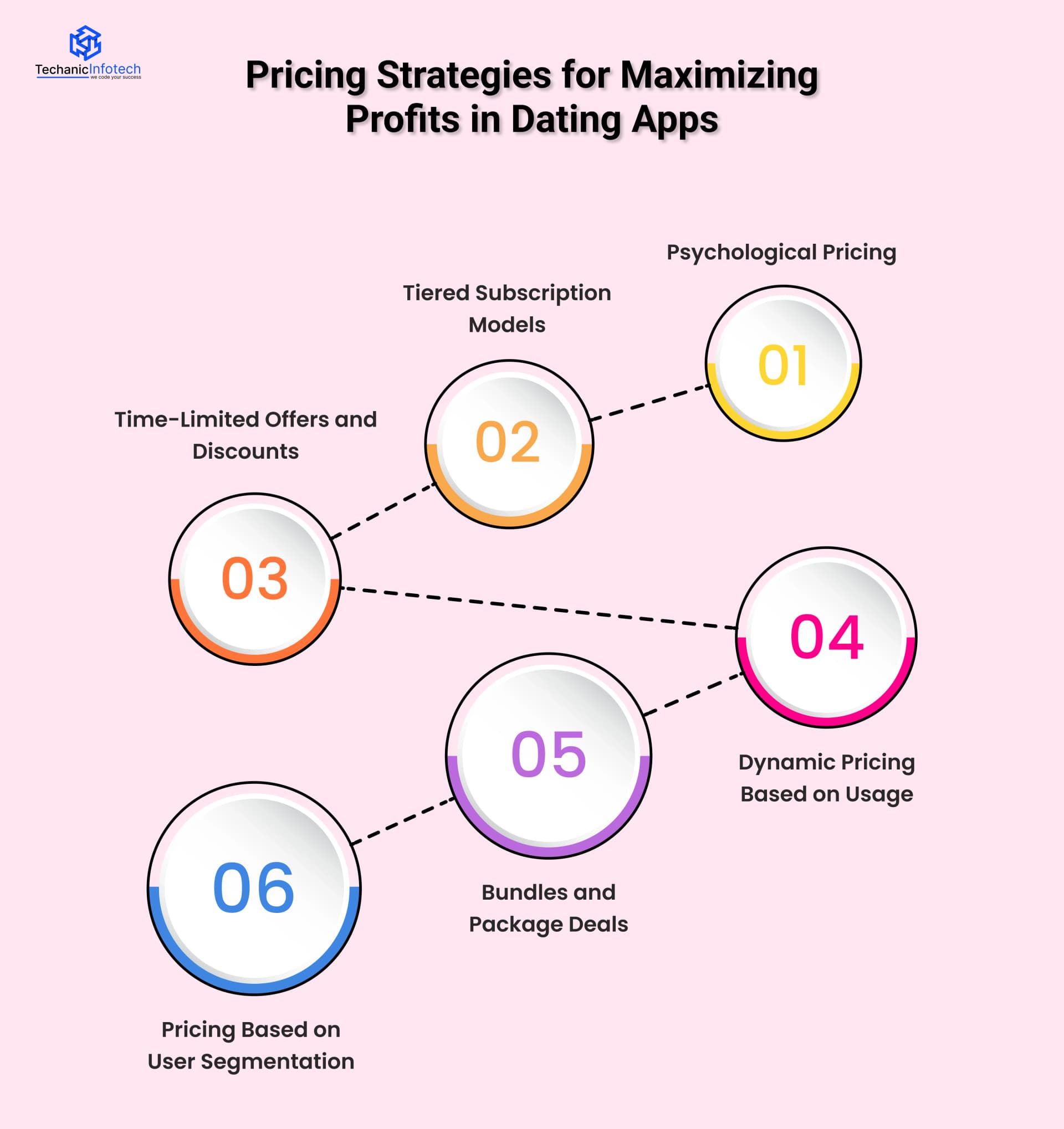
One of the most widely used pricing strategies is psychological pricing.
This high ROI dating app business model leverages small price differences, such as charging $9.99 instead of $10, to make the price feel lower and more appealing to potential customers.
Similarly, offering free trials encourages users to experience premium features at no cost initially, making them feel they’re getting more value for their money.
Another powerful pricing strategy for dating apps is the tiered subscription model.
This profitable dating app business model involves creating multiple subscription levels, such as Bronze, Silver, and Gold, each offering progressively better features or benefits.
By offering flexibility in pricing and service options, dating apps can target different user segments and maximize their revenue potential.
Time-sensitive promotions like seasonal offers or limited-time discounts are a highly effective pricing strategy to drive immediate action.
For instance, offering a 20% discount for users who sign up today or providing discounted annual plans can boost conversions significantly.
These offers create a sense of urgency, encouraging users to act fast and commit to a subscription.
Dynamic pricing involves adjusting pricing based on how engaged or active a user is on the platform.
For example, frequent users or users who engage in premium features could receive discounts, special pricing, or rewards, such as additional boosts.
This high ROI dating app business model motivates users to engage more with the app to access special offers.
Offering bundles or package deals is an effective way to increase upfront spending while ensuring users stay engaged longer.
For instance, a package deal might include 6 months of premium membership combined with 10 boosts at a reduced price.
This dating app business model for startups encourages users to know how dating apps make money or generate a higher initial payment while providing extra value in the form of additional features.
User segmentation is one of the most used dating app monetization strategies, where prices are adjusted based on specific user categories, such as students, professionals, or users in different geographical regions.
For example, offering student discounts or lower-priced plans for users in developing countries can help dating apps increase their reach and attract more users from various demographics while maintaining profitability.
When developing a successful dating app, choosing the right pricing strategy is crucial for maximizing profits and ensuring long-term success.
This article explores the top pricing models for dating apps that can help you boost your revenue and achieve a profitable business model.
The freemium model is one of the most effective top dating app business models and pricing strategies.
In this dating app business model, startups allow users to get access to basic features for free, but must pay for premium features like unlimited swipes, advanced matchmaking algorithms, seeing who liked their profile, or messaging users outside their match range.
This most profitable dating app model works well for attracting a large user base, as users can explore the app’s value before deciding to upgrade to a paid plan.
Once users are engaged, they’re more likely to convert to premium subscriptions, making an AI-powered dating app, including a freemium model, a proven monetization method for dating apps.
The subscription-based pricing model is highly effective for dating app monetization.
With this model, users pay a recurring fee (monthly, quarterly, or annually) for access to premium features like boosted profiles, advanced filters, and an ad-free experience.
Subscriptions create a predictable, steady dating app revenue model. Offering tiered subscription plans (e.g., Gold, Platinum, VIP) provides flexibility for users, and special offers like discounts on long-term (annual) plans can encourage user retention.
This most profitable dating app model ensures that your app generates consistent dating app revenue streams while providing a scalable structure for growth.
The in-app purchase model allows users to pay for the best dating app features as they need them, offering a pay-per-feature experience.
This includes purchasing boosts to increase visibility, sending virtual gifts, or unlocking special matches.
Unlike subscriptions, in-app purchases don’t require long-term commitments, giving users the option to pay for what they want when they need it.
This flexible monetization method works well for users who want to enhance their experience without committing to a recurring payment plan.
For dating apps with a large active user base, advertisements are an effective way to generate revenue.
Free users can be shown targeted ads during swipes, profile browsing, or on their dashboards. These ads can come from third-party brands or promote in-app services and events.
The advertisement-based model works best for apps with a significant number of users, and by offering an ad-free experience to paid subscribers, you can increase conversions and enhance user satisfaction.
A pay-per-message or pay-per-interaction strategy involves charging users for actions like sending a message, viewing a profile, or interacting with another user.
This pricing model can increase user engagement while generating revenue. Some dating apps charge for sending messages to users outside of your match group, ensuring that interactions are intentional and more meaningful.
This model works particularly well for niche dating apps where interactions are more exclusive, and users seek meaningful connections.
Group memberships and corporate partnerships provide innovative ways to generate revenue through discounts or exclusive offers.
By partnering with businesses, universities, or events, dating apps can offer group subscriptions at a discounted rate.
Corporate partnerships might involve special deals or membership perks through third-party services, such as gyms or wellness centers.
These collaborations help expand the app’s reach, bringing in new users while generating additional income from bulk pricing or group memberships.
Developing a successful dating app requires a strong tech infrastructure to support user interaction, matchmaking, and security, with top dating app business models that make it more profitable.
The right mix of tools and frameworks ensures a smooth, scalable, and secure user experience.
Let's explore the core technologies and cost to create a dating app, complete with a $20,000 budget.
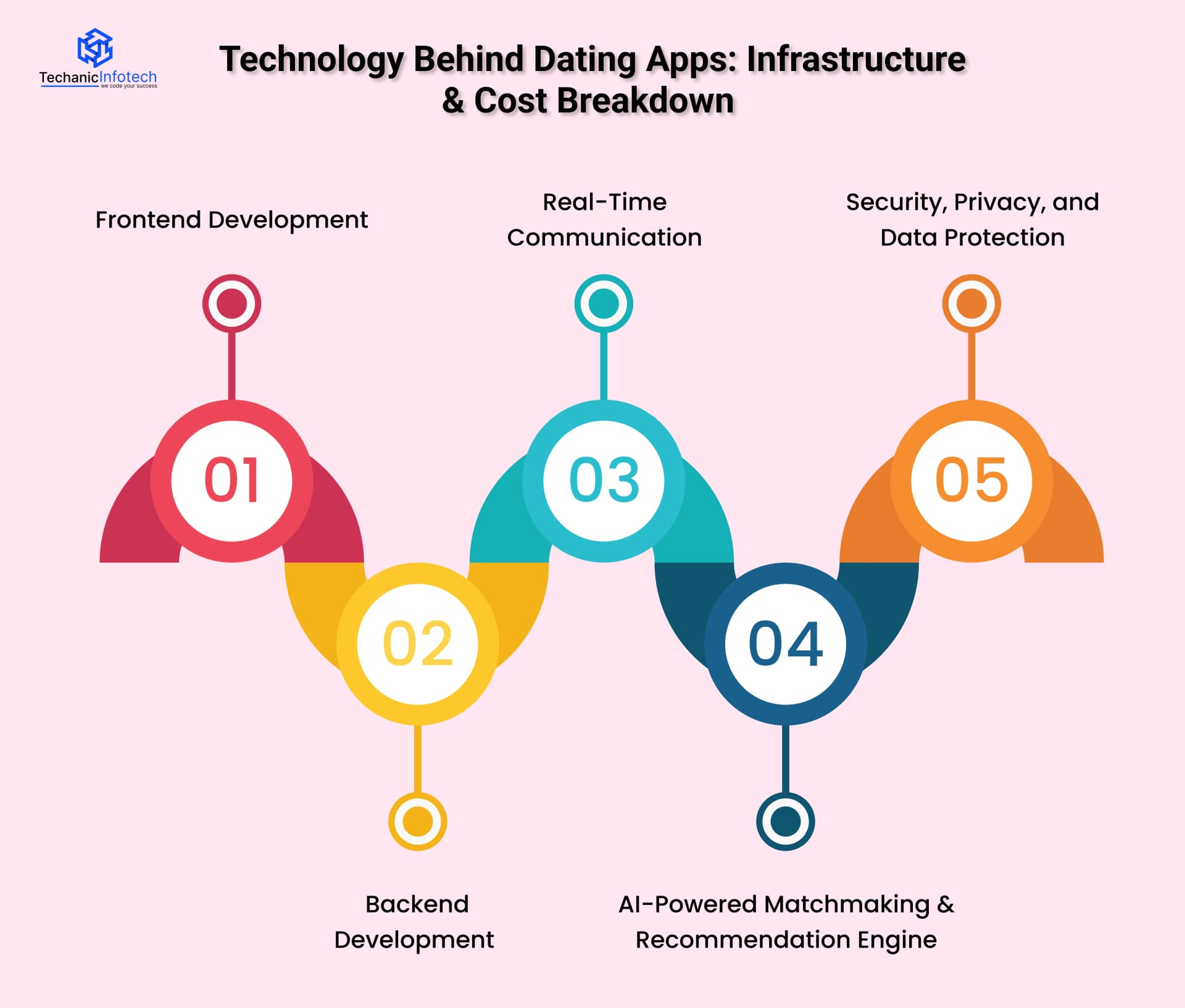
Technology Stack: React Native, Swift (iOS), Kotlin (Android), or Flutter for cross-platform development.
Key Features:
User Registration & Profile Creation: Easy sign-up through email, social media, or phone number, along with profile picture uploads.
Match Discovery: Intuitive swipe-based design or browse features for potential matches.
Chat Interface: Real-time message exchange with rich media support (images, emojis, etc.).
Push Notifications: Alerts for messages, profile updates, or matches.
Estimated Cost: $3,000
A smooth and engaging frontend experience is essential for user retention. It’s not just about aesthetic design, but also ease of navigation and intuitive interactions. Cross-platform compatibility ensures a wider reach (iOS and Android).
Technology Stack: Node.js, Python/Django, Ruby on Rails, Java/Spring Boot; AWS, Google Cloud, or Microsoft Azure for cloud services; PostgreSQL or MongoDB for database management.
Key Features:
User Authentication: Secure user login using OAuth, social logins (Google, Facebook), and email verification.
Matchmaking Algorithm: Intelligent and personalized recommendations based on user preferences, activity, and location.
Data Management: Secure storage of user profiles, photos, preferences, and interaction history.
Real-Time Updates: Server-side management for instant message notifications, live matchmaking updates.
Estimated Cost: $2,000
Backend development is the foundation of the app, ensuring high scalability, security, and speed. Efficient management of user data and real-time interactions ensures a seamless user experience.
Technology Stack: WebSockets, Firebase Cloud Messaging (FCM), Twilio, or custom solutions for chat.
Key Features:
Instant Messaging: Secure, real-time text, voice, and video messaging between users.
Push Notifications: Updates on new matches, messages, and user activity.
Activity Status: "Online" or "Typing" indicators to enhance interaction.
Estimated Cost: $3,500
Real-time communication is vital in a dating app to keep users engaged. Whether it's a simple chat or a video call, ensuring instant interaction leads to higher user satisfaction and engagement.
Technology Stack: Machine Learning (ML), Deep Learning (DL), Natural Language Processing (NLP), TensorFlow, Python libraries (SciKit-Learn, Pandas).
Key Features:
Personalized Match Suggestions: Using behavioral analytics, interests, and preferences to suggest potential matches.
Compatibility Scoring: An AI-based scoring system to predict how likely users are to connect based on profile data and activities.
Dynamic Learning: As users interact, the algorithm adapts and refines match suggestions.
Estimated Cost: $2,500
AI-driven features increase engagement by suggesting highly relevant matches based on complex user behaviors, preferences, and past interactions. This makes the app more engaging and personalized.
Technology Stack: End-to-End Encryption (AES-256), SSL/TLS protocols, Two-Factor Authentication (2FA), CAPTCHA for bot prevention.
Key Features:
Profile Verification: To ensure authenticity and prevent fake accounts.
Encrypted Messaging: Secure chat using AES-256 encryption for privacy.
Privacy Controls: Options to manage who sees your profile, photos, and activity.
Data Compliance: Adherence to GDPR and other privacy regulations.
Estimated Cost: $2,000
Ensuring the privacy and security of user data is essential, especially in a dating app where sensitive personal information is shared. Implementing strict security measures builds trust and protects the app from potential breaches.
Techanic Infotech, known as the best dating app development company, has expertise in creating innovative, feature-rich dating apps that provide seamless user experiences.
With a deep understanding of market trends and user preferences, their team develops custom solutions that include real-time messaging, location-based matching, and advanced security features.
Techanic Infotech ensures that their apps are scalable, secure, and easy to navigate, using the latest technologies such as AI-driven matchmaking, profile verification, and intuitive user interfaces.
Their focus on both design and functionality allows users to form genuine connections, making them a trusted partner for businesses looking to enter or enhance the dating app market.
By understanding and implementing successful dating app business models like freemium, subscription-based, in-app purchases, and ad-based revenue, dating apps can maximize their profitability.
The key to success lies in offering personalized experiences, exclusive features, and targeted marketing strategies to engage users and boost conversions.
With the global online dating market expanding rapidly, businesses can capitalize on this opportunity by leveraging technology such as AI-powered matchmaking, secure data protection, and real-time communication.
Their expertise in building scalable, secure, and user-friendly dating apps ensures long-term success for startups and established brands.
By adopting the right monetization strategies and focusing on user engagement, dating app businesses can achieve high ROI and stay competitive in the dynamic digital landscape.
Their apps stand out for their advanced matchmaking algorithms, real-time messaging, and strong security features that prioritize user privacy and safety.
Yes, the apps incorporate geolocation features to help users find matches nearby, enhancing the overall dating experience.
Techanic Infotech prioritizes security with encrypted messaging, profile verification, and stringent privacy policies to ensure a safe user environment.
Absolutely! Techanic Infotech creates tailored solutions, allowing businesses to customize features and design to suit their target audience's preferences.
They use the latest technologies such as AI, machine learning, geolocation services, and scalable cloud infrastructure for building robust and efficient dating apps


Abhishek Jangid is the CEO of Techanic Infotech, with extensive experience in mobile app and web development. He specializes in helping businesses turn innovative ideas into scalable digital solutions through strategic planning and modern technology.