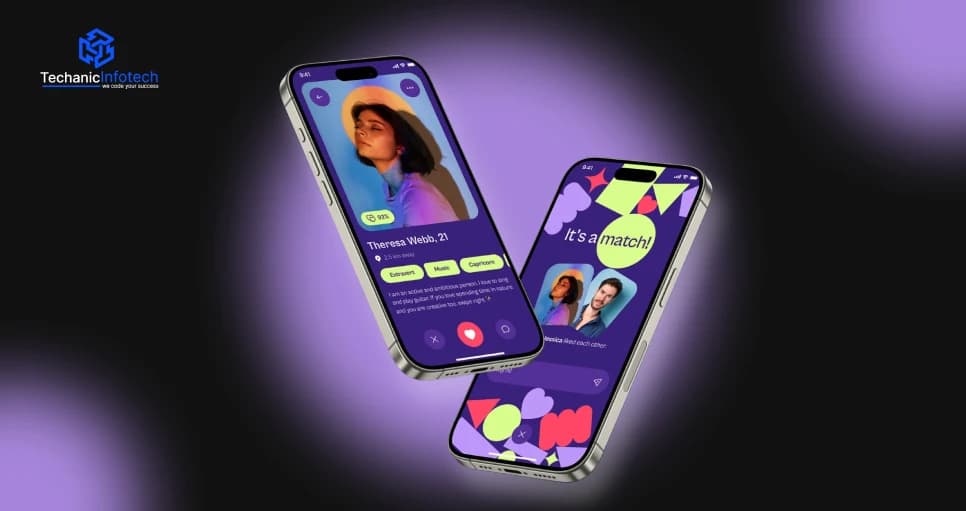
Building a dating app is no longer just a trend; it’s a huge business opportunity. With millions of users relying on online platforms to meet new people, modern dating apps have changed how relationships begin.
Grindr is a perfect example of how a niche-focused platform can grow into a global success by offering real-time matching and a simple user experience.=
Many startups and entrepreneurs today want to build something similar and tap into this fast-growing market.
When businesses begin planning, one of the first questions that comes up is the cost to develop a dating app like Grindr, because budgeting plays a major role in the entire development strategy.
Typically, the overall cost ranges from $25,000 to $80,000, depending on features, technology stack, and complexity. Understanding these cost factors early helps businesses make smarter and more confident decisions.
Grinder is one of the most popular location-based social networking and dating apps designed mainly for the LGBTQ+ community. It connects users based on proximity, allowing them to discover, chat, and meet people nearby in real time.
The app works by showing profiles of users located close to you using GPS technology, and you can start a conversation instantly through texts, photos, or voice messages.
Its simple interface and fast matching experience are the main reasons it has become a global success and inspired many top apps like Grindr.
Today, many entrepreneurs and startups are exploring similar concepts and want to understand the cost to make an app like Grindr, as the dating app market continues to grow rapidly across the world.
Businesses are increasingly interested in building an app like Grindr because it represents a powerful opportunity to enter a high-demand dating market with strong user engagement and long-term revenue potential.
Businesses today are strongly interested in building niche dating platforms because the online dating market is expanding faster than ever (the global sector is expected to reach about $13.1 billion in 2025 with over 500 million users).
Grindr proved that focusing on a specific community can create massive engagement, loyalty, and long-term profitability, thanks to its matching system, privacy-focused features, and a simple user experience.
Seeing this success, many companies want to create similar apps that provide meaningful connections while generating revenue through premium plans, ads, and in-app purchases.
Before getting started, many companies often evaluate the Grindr clone app development cost because the budget depends on features, technology, platform choice, and security levels.
Beyond financial growth, businesses want to build these apps to address real social needs, support communities, improve online safety, and create a product users genuinely enjoy.
With the right strategy, a dating app like Grindr can turn into a powerful and profitable digital brand.
To create a dating app that attracts users and keeps them engaged, the focus must be on performance, user experience, and safety.
Grindr became successful because it offered fast, real-time connections and strong privacy controls, setting a benchmark for modern dating app features.
Below are the essential basic and advanced features required to build a powerful platform.
Simple onboarding is essential when you develop an LGBTQ+ app. Users should be able to sign up using email, phone number, or social media accounts. Basic profile details like photos, interests, and preferences help improve the matching process.
Geo-location technology shows nearby profiles based on GPS data, enabling instant discovery and fast connections. This is one of the most demanded dating app features in the real-time matchmaking world.
Direct messaging, emoji reactions, photo sharing, and read receipts create smooth communication and boost user activity. This is a core functionality of any modern matchmaking platform.
Filters like distance, interests, and age allow users to narrow down profiles and find better matches quickly.
Real-time notifications for messages, matches, and profile views help maintain constant engagement and improve retention.
Features like block, report, hide profile, and control profile visibility build trust and enhance platform safety.
Audio and video chat help users communicate safely and comfortably before meeting offline.
AI recommendations analyze behavior and compatibility factors, offering more meaningful and accurate match suggestions.
A privacy-focused feature allowing users to browse quietly without appearing in search results
It is important for sensitive audiences.
Boosted profiles, advanced filters, unlimited messaging, and an ad-free experience can generate revenue and build loyalty. These premium upgrades play a key role when estimating the Cost to develop an adult app like Grindr.
Photo or ID verification reduces fake accounts and improves authenticity.
SOS assistance, live location sharing, and automated spam detection enhance trust and security.
Estimating the cost to develop an app like Grindr depends on multiple factors such as app complexity, features, design level, technology stack, and the development team's location.
On average, the estimated $25,000 to $80,000 cost can vary based on whether you choose a basic MVP or a fully featured version. Grindr is a feature-rich location-based dating platform built for real-time communication and secure matchmaking, so building a similar product requires careful planning and investment.
Below is a detailed breakdown of the cost to develop a dating app based on the required functionality and scope.
A basic MVP version includes essential dating app features such as registration, profile creation, photo uploads, location-based user discovery, chat/messaging, push notifications, and a simple admin panel.
This version helps test the market and gather early feedback.
Approximate cost range: $25,000 – $45,000
This version includes limited backend capabilities and a basic UI/UX design. At this level, development usually takes 3, 4 months.
The Grindr-like app development cost becomes higher when adding personalization elements, security features, real-time data architecture, and advanced filters.
A medium-complexity app adds features like video chat, interest-based matching, advanced filtering options, user blocking/reporting, in-app purchases, analytics dashboards, and a high-quality interface. This version allows better engagement and monetization options.
Approximate cost range: $45,000 – $65,000
This tier provides improved scalability and performance optimization and typically requires 5–7 months.
At this stage, the keyword cost to create a dating app like Grindr becomes crucial for planning because decisions around third-party integrations (payment systems, cloud hosting, SMS gateways, map APIs, etc.) directly impact total budget allocation.
A premium version is designed to compete with top platforms offering features such as AI-based matching, real-time stories, feed systems, social networking-style features, virtual gifts, AR profile enhancements, advanced content moderation, subscription tiers, comprehensive admin management, and multi-device support, including web and wearables.
Approximate cost range: $70,000 – $80,000+
Development time typically ranges from 8–14 months, depending on custom requirements.
At this level, developers also integrate enterprise-grade security protocols like end-to-end encryption, robust data privacy compliance (GDPR, CCPA), scalable microservices architecture, performance optimization, and a global multi-language system.
For companies planning long-term growth, the mobile app development cost covers research, branding, deployment, post-launch maintenance, marketing, and continuous feature upgrades.
Overall, the cost to develop an app like Grindr can vary significantly, but starting with a scalable MVP is usually the best approach.
Businesses can initially launch core functionality, attract early users, and gradually invest further as demand grows.
The cost of developing a dating application depends on many elements, such as technical complexity, design depth, team experience, and security measures.
Understanding these cost-impacting factors helps businesses estimate realistic budgets and plan the right development strategy.
Many startups and enterprises start their research by calculating the Cost to develop an app like Grindr, since Grindr set a strong example in the dating app market.
Below are the major components that influence pricing when developing a dating app.
The first choice that affects cost is the development platform. Building for a single platform like Android or iOS is less expensive than developing for both. Each requires separate engineering, testing, and optimization.
Single platform – lower cost and faster launch
Both platforms – higher cost, maximum audience reach
Many companies planning to create a dating app choose one platform first to test user response and then scale.
Cross-platform technology like Flutter or React Native reduces cost somewhat, but native applications offer better stability for real-time chat and GPS-based features.
The second major factor is the feature set. The more functionality included, the higher the development effort and cost.
Basic dating app features include:
User registration and login
Profile creation
Basic search filters
Private messaging
Push notifications
Simple matching discovery
Advanced dating app features include:
Video calling
Voice chat
Live streaming options
AI-based matching recommendations
Advanced location filters
In-app purchases & subscription packs
Social account integration
Verified profiles and KYC
Profile boost and spotlight
When businesses evaluate the cost to build a dating app like Grindr, advanced features usually form the highest portion of total development cost due to the need for extra backend work and stronger security.
Design plays a critical role in the success of dating platforms. A clean interface and smooth experience help users connect easily and enjoy the app. Spending more on modern UI/UX usually increases the budget but significantly improves retention rates.
Design cost depends on:
Custom themes
Animations and micro-interactions
Unique icon styles
Dark and light modes
Creative transitions
A basic UI is affordable, while a premium UI requires detailed research, testing, and design engineering. Dating apps without an intuitive design often see higher uninstall rates.
Choosing between an MVP (Minimum Viable Product) and a fully featured app has a major effect on development cost. Many startups build an MVP first to collect user feedback and secure funding.
MVP – limited features, fast launch, lower cost
Full version – complete features, longer build time, higher investment
Businesses especially analyze MVP options when estimating Grindr-like app development cost, as it allows careful budgeting and reduces risk in the early stage.
The backend forms the foundation of dating apps. It powers real-time conversations, location updates, image storage, notifications, and subscription systems. A strong backend must handle large-scale traffic without crashing.
Backend costs vary based on:
Database structure
Real-time communication tools
Cloud hosting and load-balanced servers
Multi-layer security
Message delivery speed
This is where the cost to make an app like Grindr can significantly increase, because Grindr-style apps require performance-heavy processing and scalable server systems.
Technology choices affect complexity and cost. Dating apps rely on multiple integrations for payments, chat, media transfers, security, and GPS functions. Paid tools and licensing fees increase the project budget.
Common integrations include:
Maps & location APIs
Payment processing systems
SMS and email login verification
Photo and video compression tools
AI moderation and matching engines
These integrations play a major role when estimating the cost to create an adult app like Grindr, as adult-focused platforms need additional compliance, content review automation, and privacy control.
Dating platforms contain sensitive data such as personal identity, private chat history, photos, and user location.
Security and legal compliance are essential and one of the most expensive parts of development.
Security investment includes:
End-to-end message encryption
Identity verification and KYC
Secure payment gateways
Anti-spam and fraud detection
Cyber-security audits
GDPR and CCPA compliance
Security infrastructure is a critical budget factor when calculating the cost to build an app like Grindr clone, because reliability and privacy are key to user trust and safety.
Team size, location, and skill levels heavily impact development cost. Companies can choose between freelance developers, in-house teams, or outsourcing development agencies.
|
Region Hourly development |
Cost |
|
United States / Canada |
$80 – $200/hr |
|
Western Europe |
$60 – $120/hr |
|
Eastern Europe |
$35 – $60/hr |
|
India & Southeast Asia |
$20 – $45/hr |
Highly skilled engineers cost more but deliver scalable, secure digital products.
Testing ensures the dating app works smoothly under all conditions. QA engineers test performance, speed, network reliability, data protection, UI behavior, and cross-device compatibility.
Testing can take 25–35% of total development time. Testing includes:
Functional testing
Stress and load testing
Network simulation
Security penetration testing
Device compatibility testing
The complexity of testing increases total development cost, especially for apps using advanced real-time features.
Spending continues after launch. Maintenance covers updates, server scaling, bug fixes, customer support, and new feature improvements.
Most dating apps spend 15%–25% of the original development cost annually on upgrades.
Maintenance becomes an essential budget category when evaluating the long-term cost to create an adult app like Grindr, since more users require bigger servers and more security monitoring.
Developing a dating app with advanced features like location-based matching, real-time chat, and secure user verification can become expensive if not strategized properly.
Many new entrepreneurs and startups look for smart ways to manage their budget while ensuring quality performance.
Below are practical and effective tips to help reduce overall development cost without compromising user experience.
Launching a Minimum Viable Product (MVP) is one of the most efficient approaches to controlling spending.
Instead of building every feature at once, begin with only core elements such as sign-up, profile creation, swiping, and chat.
This phased development strategy keeps the cost to develop an app like Grindr lower in the early stage and allows real user feedback to guide future improvements.
It helps you avoid spending on features customers may not initially need.
Building apps separately for Android and iOS can double the timeline and resource requirements.
Using cross-platform frameworks such as Flutter or React Native allows you to write one codebase and run it on both platforms.
This significantly helps reduce the cost to create an app like Grindr, since fewer developers, fewer testing rounds, and lower maintenance efforts are required. It’s an ideal approach for early-stage startups and budget-friendly development.
Hiring an in-house engineering team means paying full-time salaries, workspace, tools, and ongoing operations.
Outsourcing to a skilled app development company is usually far more cost-effective. Professionals with proven experience in dating app solutions already understand what works and what doesn’t, helping to reduce development errors and rework.
This ultimately minimizes the cost to develop an app similar to Grindr by optimizing development time and eliminating unnecessary expenses.
Instead of creating everything from scratch, use pre-designed UI libraries, chat templates, and ready-to-use backend solutions.
This reduces design and development time while maintaining functionality and quality. Using reusable components allows businesses to launch faster and save significant costs.
Define priorities early and track expenses throughout development. Avoid adding complex features until the app gains traction, and continuously review performance to decide what’s worth enhancing.
By planning strategically, choosing smart technologies, and working with experienced teams, startups can build a competitive dating app while keeping costs under control.
Monetization plays a major role in turning a dating platform into a scalable and profitable business. The goal is to generate revenue without disrupting the user experience.
A well-structured dating app monetization strategy can help balance both, giving users value while driving long-term financial growth.
Below are the most effective ways to monetize an app built for real-time dating and community engagement.
The freemium approach allows anyone to join and use basic features for free, while advanced options come under paid plans.
Users might pay for perks like unlimited messaging, profile boosting, or viewing who liked them. This model helps attract a large user base quickly and later convert them into paid subscribers.
Startups often choose it early when evaluating the cost to develop an app like Grindr, because it proves revenue potential even before full scaling.
Subscriptions bring a predictable monthly or yearly income. Tiered plans provide extra benefits such as advanced filters, priority placement in search results, or the ability to change location.
Flexible plans push higher conversion rates, and many users prefer premium upgrades for convenience and visibility.
Instead of subscribing, some users like buying one-time boosters or features. Examples include:
Profile boost for visibility
Super likes
Spotlights and virtual gifts
These microtransactions can deliver strong recurring earnings when marketed well.
Non-intrusive ads from relevant brands can generate high revenue. Since Grindr’s audience often aligns with events, nightlife, fashion, and lifestyle products, curated ad partners perform extremely well.
When planning monetization models, startups also review the cost to build an app like Grindr to ensure advertising infrastructure supports scale.
Partnerships with bars, clubs, events, or health and wellness brands create win–win opportunities.
Brands gain targeted exposure, while the app earns sponsorship fees and strengthens the community.
Hosting paid virtual meetups or exclusive offline gatherings adds another revenue layer and increases app loyalty. People are more willing to pay for safe community-based experiences.
Choosing the right team is one of the most important steps when building a successful dating platform.
Techanic Infotech stands out as a trusted technology partner, helping startups and enterprises turn their app ideas into powerful digital products.
With years of expertise in UI/UX design, real-time chat integration, geo-based matching, security features, and scalable architecture, they guide you through every stage from concept and development to launch and ongoing support.
As a leading dating development company, Techanic Infotech focuses on quality, transparency, and delivering solutions that meet real business goals.
Whether you want to build an MVP or a feature-rich dating app with advanced capabilities, their team ensures seamless execution and reliable results. Let them help you create something truly impactful.
Building a dating app with real-time features, location-based matching, and strong security opens powerful opportunities in a fast-growing market.
Success comes from choosing the right feature set, planning a clear monetization model, and partnering with an experienced development team that understands scalability and user behavior.
When evaluating the cost to develop an app like Grindr, remember that the real investment is not just money but the value you deliver to users through smooth performance, trust, and community engagement.
With proper strategy and a skilled development partner, turning a dating app idea into a profitable digital product becomes absolutely achievable.
Typically, development takes 3–6 months, depending on features, app complexity, and platform choices.
The cost can vary widely based on design, features, and development location. On average, pricing ranges from $30,000 to $250,000+.
Not necessarily. Many startups launch with an MVP version and upgrade later based on user feedback.
Yes. Common monetization options include subscriptions, ads, premium upgrades, and in-app purchases.
You can build natively for both platforms or choose cross-platform development to save time and cost.

Abhishek Jangid is the CEO of Techanic Infotech, with extensive experience in mobile app and web development. He specializes in helping businesses turn innovative ideas into scalable digital solutions through strategic planning and modern technology.