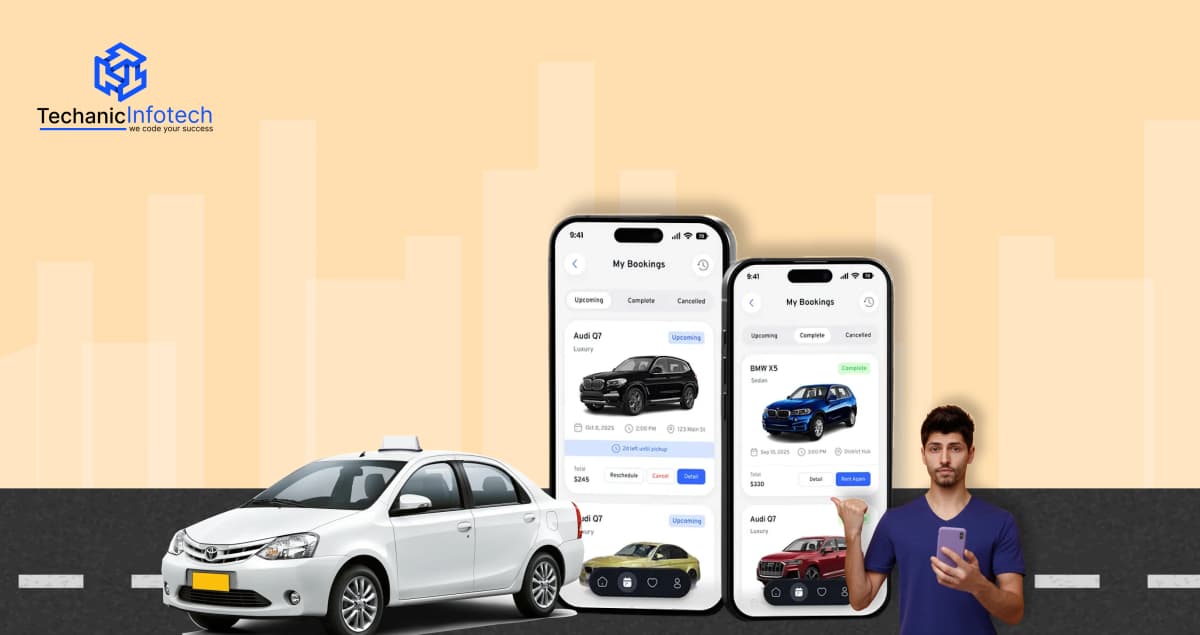
Car rental apps have become a core part of modern mobility. From self-drive rentals and car sharing to subscription-based models, users now expect instant booking, transparent pricing, and seamless digital experiences.
If you’re planning car rental app development, success depends on more than just building an app. You need the right business model, essential features, and a scalable technical foundation. Poor planning and feature overload are the most common reasons car rental apps fail.
This guide covers everything you need to know about car rental app development, including rental models, key features, development steps, MVP strategy, cost breakdown, and monetization methods to help you build a reliable and scalable platform.
Here are some important statistics that show how big and fast-growing the car rental and car sharing industry is:
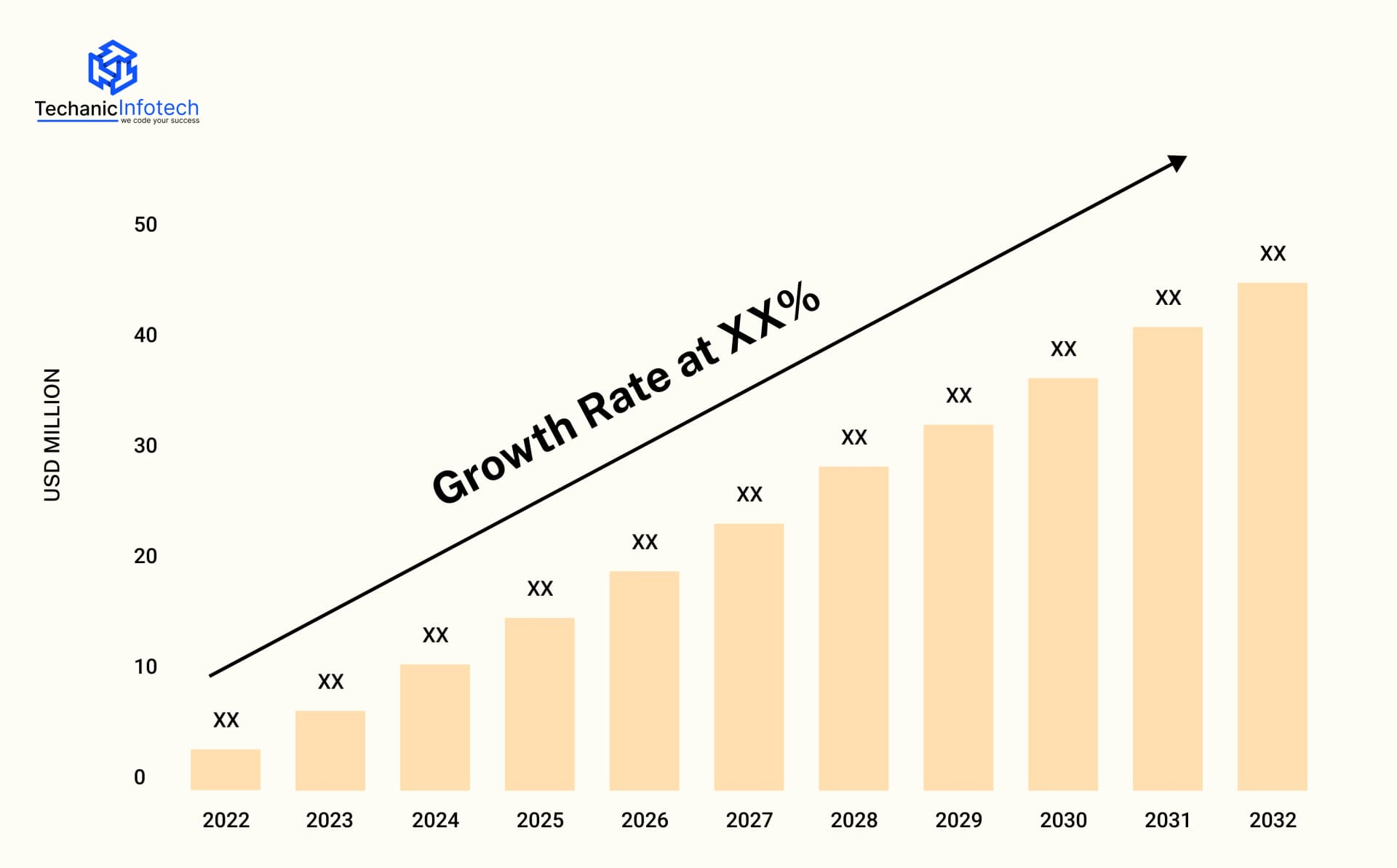
Global Market Size Today: The global car rental market was valued at around USD 149.87 billion in 2024 and is expected to grow strongly in the coming years. (Grand View Research)
Future Growth Projection: This market is projected to reach approximately USD 278.03 billion by 2030, expanding rapidly as travel and digital bookings increase.
Car Sharing Segment Growth: The peer-to-peer (P2P) car sharing market is expected to grow from around USD 2.77 billion in 2025 to USD 7.44 billion by 2030 at a CAGR of 21.85%, making shared mobility one of the fastest-growing segments. (Mordor Intelligence)
US Market Size: The United States car rental market alone is projected to hit about USD 50.02 billion in 2025 and rise to around USD 65.22 billion by 2030, driven by tourism and flexible usage patterns. (Mordor Intelligence)
Before you develop a car rental app, it’s important to understand the different types of car rental models available in the market. Each model serves a different user need and requires specific features and technology.
Choosing the right model helps you build the right platform and control development cost.
This is the most common type of car rental service. Users book a car for a fixed time, hourly, daily, or weekly and pick it up from a rental office or location. This model is widely used by travel and tourism companies. Apps built for this model focus on vehicle listings, booking management, pricing plans, and customer support.
Examples: Hertz, Avis, Enterprise Rent-A-Car
In this model, users rent cars without drivers and drive them on their own. It is popular among tourists, business travelers, and local users who want flexibility. If you plan to create a car rental application for self-drive services, features like ID verification, license upload, GPS tracking, and damage reporting are essential.
Examples: Zoomcar, Getaround
This type includes cars rented with a professional driver. It is commonly used for airport transfers, corporate travel, weddings, and events. Apps supporting this model need driver profiles, scheduling tools, trip management, and real-time tracking.
Examples: Uber Black, Ola Rentals
On-demand rentals allow users to book a car instantly for short durations. These platforms work similarly to ride-hailing apps but offer rentals instead of rides. If you want to create an on-demand car rental app, real-time availability, instant booking, and location tracking are key features.
Examples: Zipcar, Free2Move
In this model, individuals rent out their personal vehicles to others through a platform. The app acts as a marketplace connecting car owners and renters. This is a fast-growing segment in car sharing app development and requires strong verification, insurance integration, and secure payment systems.
Examples: Turo, Getaround
Users pay a monthly fee to access vehicles without ownership responsibilities. This model appeals to long-term users who want flexibility without buying a car. Apps need subscription management, vehicle swapping options, and billing automation.
Examples: Care by Volvo, Sixt+
To build a platform that users trust and enjoy, the right features are essential. When you develop a car rental app, these features help improve user experience, manage operations smoothly, and grow your business.
Users should be able to sign up easily using email, phone number, or social login. Profile sections allow users to manage bookings, upload documents, and track rental history.
Advanced search options help users find cars based on location, price, car type, fuel type, or availability. This makes the booking process faster and easier.
The app should show accurate vehicle availability to avoid double bookings. Real-time updates improve trust and reduce customer complaints.
A smooth booking system allows users to select dates, rental duration, pickup location, and add-ons. Instant confirmation improves user satisfaction.
Multiple payment options such as cards, wallets, and UPI ensure convenience. Secure and transparent payments are critical for trust.
GPS tracking helps monitor vehicle location, improve safety, and support theft prevention. It also assists users with navigation.
For chauffeur-based rentals, the app should manage driver profiles, availability, and trip assignments efficiently.
Users can rate vehicles, drivers, and overall service. Reviews help improve service quality and build credibility.
Push notifications keep users updated about booking confirmations, reminders, payments, and offers.
Admins need full control over cars, users, bookings, pricing, reports, and app performance to manage operations smoothly.
Zipcar is a strong example of how these features work together to build a successful car rental platform. By focusing on convenience, transparency, and smooth operations, Zipcar turned simple car access into a reliable, tech-driven service. This shows how the right feature set can directly shape long-term success in the car rental industry.
A successful car rental app begins with the right foundation. Before development starts, it’s important to understand the key steps that shape your app’s functionality, user experience, and long-term growth.
The first step to create a car rental app is deciding what type of service you want to offer. Car rental apps can follow different models, such as traditional rentals, self-drive rentals, chauffeur-driven services, or peer-to-peer car sharing. Your business model decides the features, user flow, and technology required.
For example, if you want to build a car-sharing app, you’ll need owner listings, insurance handling, and verification systems.
If you plan to create an on-demand car rental app, real-time availability and instant booking become essential. This step also includes identifying your target users, service locations, pricing strategy, and revenue model.
A clear business model helps your car rental application development stay focused and avoids unnecessary changes later.
Once your model is defined, the next step in this car rental app development guide is understanding the market.
Research your competitors, study popular car rental apps, and identify gaps where your app can perform better. This helps you understand what users expect and what features are truly necessary.
During this stage, list down all functional requirements such as booking, payments, GPS tracking, notifications, and admin controls. You should also define non-functional requirements like performance, security, and scalability.
Proper planning at this stage reduces the overall cost and time to develop a car rental app.
This step lays the foundation for successful mobile app development.
Now it’s time to decide how you will make a car rental app from a technical perspective. You must choose whether to build the app for Android, iOS, or both. Many businesses prefer cross-platform development to reduce cost and reach a wider audience.
You also need to select the frontend, backend, database, cloud hosting, and third-party APIs.
A reliable tech stack ensures smooth performance, data security, and future scalability. Choosing the right tools early helps your app run efficiently and prevents rework later.
Design plays a big role in how users interact with your platform. At this stage, the focus is on creating a clean, simple, and easy-to-use interface. When you create a car rental application, users should be able to search cars, book rentals, and make payments without confusion.
Mobile UI/UX design includes wireframes, screen layouts, color themes, icons, and navigation flow. The design must work smoothly on mobile devices, tablets, and web platforms.
A well-designed interface improves user trust and increases bookings, which is essential for successful car rental app development.
Good design also reduces customer support issues, as users can complete actions on their own.
This is where actual development begins. Developers start coding the core features that allow users to interact with the app. If you want to develop a car rental app that performs well, features like car listing, search filters, booking management, payments, GPS tracking, and notifications must work perfectly.
For platforms that aim to build a car sharing app, this step also includes owner dashboards, car approval systems, and availability management. All features should be scalable and secure to support future growth.
This phase is critical, as it turns ideas into a working product.
The backend is the backbone of your app. It manages user data, bookings, payments, vehicle details, and app logic. A strong backend is necessary to create an app that runs smoothly even with high user traffic.
Along with backend development, an admin panel is created to manage cars, users, bookings, pricing, and reports. This helps business owners control the platform without technical support. A reliable backend ensures long-term success for your car rental app.
A professional mobile app development company can guide you in selecting the best technology based on your goals.
Before investing heavily in full-scale development, it’s smart to start with an MVP. MVP development focuses on building a basic but functional version of your app with only essential features. This approach helps you create a car rental app faster, test your idea in the real market, and reduce initial development costs.
For an MVP in the development process, core features usually include user registration, car listing, search and filters, basic booking flow, and admin control. Advanced features like dynamic pricing, loyalty programs, or complex automation can be added later.
If you want to build an on-demand app, an MVP helps validate real-time availability, user demand, and operational flow before scaling. MVP development also allows you to gather user feedback and understand what improvements are actually needed.
Many businesses prefer MVP-first development because it lowers risk and speeds up time to market.
Before launching, your app must be tested thoroughly to ensure everything works as expected. Testing helps identify bugs, performance issues, and security gaps. This step is critical when you develop a car rental app, as even small errors can affect user trust.
Testing includes checking booking flows, payment processes (if included in MVP), GPS tracking, notifications, and app performance across different devices. Both manual and automated testing ensure a smooth user experience.
Once testing is complete, the app is ready for launch. Deployment includes setting up servers, uploading the app to App Store, and configuring live environments. If you plan to create a car rental app for both Android and iOS, each platform has its own approval process.
After launch, promote your app using digital marketing, app store optimization, and partnerships. A successful launch on the Play Store helps your car rental application development reach users quickly and gain early traction.
App development doesn’t stop after launch. Regular maintenance is required to fix bugs, improve performance, and update features. As users grow, you may need to scale servers and add advanced features.
This step ensures long-term success in car rental app development and helps your app stay competitive.
The cost to build a car rental app depends on your app’s features, platform choice, design complexity, and development approach. Businesses that start with an MVP usually spend less, while full-featured apps with real-time tracking, advanced admin tools, and scaling capabilities cost more.
On average, the cost to develop a car rental app ranges from $15,000 to $80,000+. A basic MVP with core features like user login, car listings, booking, and admin control falls on the lower side. Advanced apps with on-demand booking, GPS tracking, analytics, and scalability require a higher budget.
Each step in the step-by-step guide to car rental app development contributes to the total cost. Planning and research ensure clarity, design improves user experience, development builds functionality, testing ensures stability, and maintenance supports long-term growth.
The table below shows a rough cost breakdown to help you plan better.
|
Development Step |
Key Benefit |
Avg Cost (USD) |
|
Business Model Planning |
Clear app direction and scope |
$1,000 – $3,000 |
|
Market Research & Analysis |
Reduced risks and better features |
$1,500 – $4,000 |
|
Tech Stack & Platform Choice |
Scalable and future-ready app |
$2,000 – $5,000 |
|
UI/UX Design |
Better user experience |
$3,000 – $8,000 |
|
Core Feature Development |
Functional car rental operations |
$5,000 – $20,000 |
|
Backend & Admin Panel |
Smooth app management |
$4,000 – $15,000 |
|
MVP Development |
Faster launch, lower risk |
$5,000 – $15,000 |
|
Testing & QA |
Bug-free performance |
$2,000 – $5,000 |
|
Deployment & Launch |
Live app availability |
$1,000 – $3,000 |
|
Maintenance & Scaling |
Long-term app growth |
$2,000 – $7,000 |
Top car rental apps use multiple revenue models to earn consistent income while offering flexible services to users. Below are the most common ways successful platforms generate revenue.
This is the primary income source. Apps earn money by charging users based on rental duration, hourly, daily, weekly, or monthly. Prices vary depending on car type, demand, and location.
In car sharing platforms, the app takes a percentage commission from car owners for every successful booking. This model is widely used in car sharing app development.
Some apps offer monthly or yearly subscription plans that provide benefits like discounted rentals, priority booking, or free upgrades. Subscriptions ensure steady recurring income.
Apps charge extra for add-ons such as GPS devices, child seats, insurance coverage, fuel packages, or additional drivers. These small charges add up to significant revenue.
If a car is returned late or damaged, the platform charges penalties or repair fees. This helps cover losses and operational costs.
Car rental apps partner with hotels, travel companies, and brands to show ads or offer deals. This creates an additional income stream.
Car owners can pay to promote their vehicles or appear higher in search results, increasing visibility and bookings.
Turo’s success clearly shows how combining booking fees, commissions, protection plans, and premium visibility creates a scalable revenue engine. Instead of relying on a single income source, Turo turned its platform into a balanced marketplace where every completed trip adds value. This approach proves that a well-designed monetization model is just as important as app features in the car rental industry.
At Techanic Infotech, we don’t just build apps, we create smart digital mobility solutions. As a trusted car rental app development company, we help startups and enterprises turn their ideas into powerful, user-friendly platforms.
To create a car rental app, build a car sharing app, or launch an on-demand rental solution, our team handles everything from planning to post-launch support.
We follow a structured car rental app development guide to ensure smooth design, secure backend systems, and scalable architecture. Our experts focus on MVP-first development, helping you launch faster while keeping costs under control.
With experience in car sharing app development, we deliver apps that perform well, scale easily, and match real user needs.
From UI/UX design and feature development to testing, deployment, and maintenance, Techanic Infotech offers end-to-end services, so you can focus on growing your business while we take care of the technology.
Car rental app development is about building a system that can handle real users, real vehicles, and real operational challenges. Choosing the right rental model, starting with an MVP, and scaling based on data are critical for long-term success.
Apps that focus on core functionality, clear pricing, and smooth booking flows perform far better than feature-heavy platforms with weak execution. With proper planning, the right tech stack, and a structured development approach, you can launch a car rental app that is scalable, secure, and profitable.
The cost usually ranges between $15,000 and $80,000+, depending on features, platform choice, and development complexity. Apps with advanced features like real-time tracking, subscriptions, and scalability fall on the higher end of this range.
On average, it takes 3 to 6 months, depending on whether you build an MVP or a full-featured app. The timeline also depends on design complexity, feature count, and testing requirements.
Yes. MVP development is recommended as it reduces cost, speeds up launch, and helps validate your idea. It allows you to gather real user feedback before investing in advanced features.
User login, car search, booking system, secure payments, GPS tracking, notifications, and admin dashboard. These features ensure smooth bookings, better user experience, and easy platform management.
Yes. Car sharing apps require owner listings, commission models, verification, and insurance integrations. They also need stronger trust and safety features to manage peer-to-peer rentals.
Yes. Techanic Infotech provides custom car rental app development services from planning to post-launch support. The team builds scalable, secure, and user-friendly apps tailored to your specific business needs.


Abhishek Jangid is the CEO of Techanic Infotech, with extensive experience in mobile app and web development. He specializes in helping businesses turn innovative ideas into scalable digital solutions through strategic planning and modern technology.