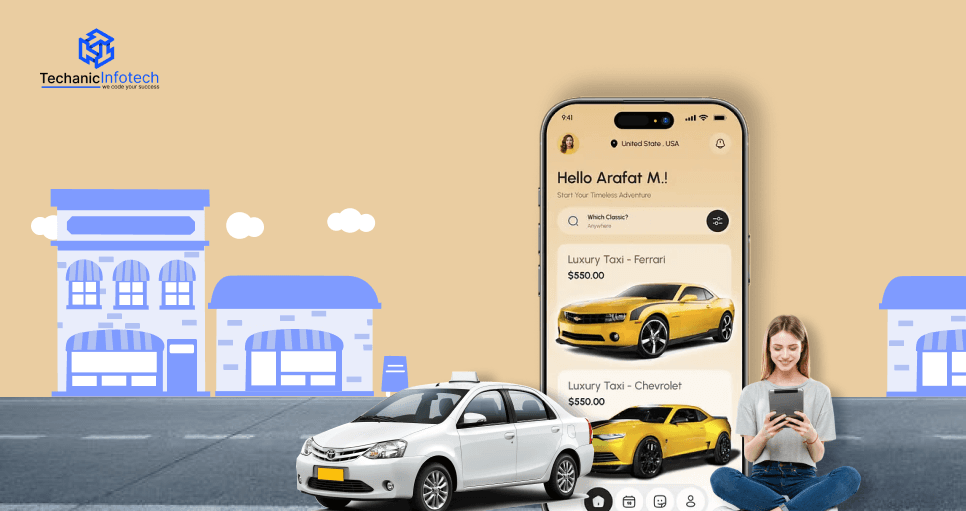
In today’s world, convenience and mobility have become important in terms of making a taxi booking app a vital part of transportation.
Behind the success of the more reputable taxi apps like Uber, Lyft, or Ola, there has been a surge in innovative cab app ideas to make ride-hailing more efficient, safe, and user-friendly.
When it comes to the developers and the entrepreneurs who want to make their presence in the competitive market of taxi booking app.
The process becomes easier when it is developed by identifying the unique features, ideas, monetisation models, and benefits of making these apps for the taxi business.
Explores some of the trending app ideas for taxi startups in this article, offering insights that improve urban mobility and create a seamless ride-hailing experience for riders and drivers.
The demand to create taxi apps is getting higher, reflecting the increasing reliance on convenient, on-demand transportation.
Usually, in 2024, the taxi and ride-hailing industry is expected to generate approximately US$165.6 million in revenue, with revenues projected to grow at a CAGR of 6.83% through 2028.
This research also indicates that the on-demand taxi reservations app is getting more popular due to its convenience for both riders and drivers in reaching their destination in minutes.
When we estimate the overall budget for this taxi app concept development in 2026 is around $150 billion, making this process area more profitable.
Uber is considered one of the top taxi-hail applications and typically earns between $36.5 billion and $37.5 billion.
The growth rate of taxi booking app market is going to increase up to 6% by 2026.
People who use apps in the taxi industry are predicted to reach 16 million by 2026, indicating the growing demand for these services.
The number of taxi booking app users is expected to increase by 20% by the year 2026, which will reach 21.1% in the same year.
Revenue generated by these taxi and ride-hailing platforms could increase by 50% in 2026.
Meanwhile, these assumptions or analyses by considering the taxi booking app design just fluctuate the overall pricing factors and features, while enhancements in development depend on the usage of the taxi booking applications in a year.
Developing an app like Uber offers numerous advantages, including enhanced convenience for users, increased business reach for drivers, and many more.
These benefits usually also open opportunities for revenue generation through various monetization strategies. That’s why it's suggested for developers to consider these benefits of making taxi booking apps.
By listing services on a digital platform, businesses can attract both local and out-of-town riders, increasing their visibility.
The app connects drivers and passengers seamlessly, enabling companies to expand their market without investing heavily in physical infrastructure.
This digital presence strengthens brand recognition, builds customer trust, and positions the company competitively in an increasingly tech-driven market.
Those businesses that get confused in terms of making their app like Rapido can get help from a reputable taxi booking app development company.
Taxi app concept significantly improves the user experience by offering on-demand booking anytime, anywhere.
Customers can easily select pick-up and drop-off locations, choose vehicle types, and track their rides in real time.
Moreover, taxi booking app features such as scheduling rides in advance and saving favorite locations make commuting more efficient.
Overall, this convenience reduces the effort, time, and uncertainty associated with traditional taxi services, fostering customer satisfaction and loyalty.
Taxi booking apps automate many aspects of fleet management, reducing manual workload for both drivers and operators.
Features such as automated booking assignment, route optimization, and digital invoicing minimize operational inefficiencies.
Dispatching becomes faster and more accurate, while customer support is enhanced through in-app communication tools.
Operators can monitor driver availability, track vehicle performance, and manage schedules in real time.
Customers can monitor their ride location and estimated arrival times, reducing uncertainty and waiting times, allowing drivers to receive optimized routes to avoid traffic or unsafe areas.
Some additional features like SOS buttons, ride-sharing details, and driver ratings contribute to a secure travel environment. These real-time monitoring systems also help operators respond quickly to emergencies.
This transparency and accountability build trust, making the service more appealing to users concerned about reliability and personal safety.
A taxi app business can earn through ride commissions, surge pricing during peak demand, subscription plans, and in-app advertisements.
Integration with corporate accounts or partnerships with local businesses creates additional revenue channels, allows operators to identify high-demand routes, optimize pricing, and make strategic business decisions.
By leveraging technology, taxi apps increase overall ride volume and maximize profitability per ride by providing a scalable and sustainable business model.
Apps help companies to manage drivers efficiently by tracking performance, availability, and service quality, allowing them to get requests based on location and proximity by minimizing time and costs.
Performance metrics, ratings, and feedback systems allow operators to reward high-performing drivers and provide training for underperforming ones.
Improved management ensures a motivated, accountable, and efficient workforce, which directly translates into better customer experience and operational success.
The taxi and ride-hailing industry is rapidly evolving, driven by growing urbanization and the demand for convenient, on-demand transportation.
Developing a taxi booking app today requires more than just connecting drivers and riders; it’s about creating innovative solutions addressing the specific user needs, enhancing safety, and improving overall convenience.
From luxury and corporate rides to eco-friendly electric taxis and women-focused services, there are numerous opportunities to stand out in this competitive market.
The following are the 10+ top cab app ideas, each designed to deliver a seamless, efficient, and user-centric ride-hailing experience.
This standard taxi booking app is designed for general users to book a cab quickly and efficiently. It allows passengers to request rides, track drivers in real-time, and pay via multiple options.
Features of taxi booking apps, like fare estimation, ride history, and driver ratings, ensure a seamless experience. This type of app caters to everyday commuters and occasional travelers, focusing on convenience and reliability.
By offering straightforward functionality and intuitive navigation, it becomes the go-to solution for urban mobility, building trust among riders and drivers alike.
Corporate taxi booking apps cater to companies looking to manage employee travel efficiently, need support with bulk ride bookings, expense management, and automated invoicing.
These types of applications usually work by reducing the administrative burden on HR and finance departments. It allows the corporate sector to easily track ride history, monitor spending, and ensure employee safety.
Such apps often offer priority booking, corporate discounts, and integration with business calendars for scheduled rides.
This model is beneficial for organizations that need consistent transportation services for staff, clients, or partners, ensuring both convenience and accountability.
Ride-sharing apps focus on connecting passengers traveling in the same direction to reduce taxi booking app development costs and environmental impact.
Users can share rides with others, split fares, and reduce traffic congestion. Features include matching algorithms, route optimization, and in-app chat for communication.
These apps appeal to commuters who want affordable transportation and eco-conscious riders seeking greener alternatives.
With a combination of both convenience and sustainability, ride-sharing apps can build strong communities, encourage social interaction, and reduce the number of vehicles on roads.
Women-centric taxi apps prioritize safety by offering features like verified female drivers, in-app SOS buttons, real-time location sharing with trusted contacts, and panic alerts.
Some include ride tracking, emergency call support, and gender-specific customer service. The focus on security and comfort makes these apps appealing for women traveling alone, especially at night or in unsafe neighborhoods.
By creating a safer environment, these app ideas for taxi startups empower female users to travel confidently at any time by differentiating themselves from competitors and catering to a growing market segment.
Luxury taxi apps provide premium vehicles and professional drivers for high-end clients, including options for sedans, SUVs, or even limousines, with features like in-app service customization, driver ratings, and advanced scheduling.
These applications are targeted at business executives, tourists, or special events, emphasizing the comfort, style, and exclusivity. Users can choose vehicles based on amenities, schedule rides for specific occasions, and enjoy personalized customer service.
By combining convenience with a high-quality experience, luxury taxi apps capture a niche market willing to pay higher fares for comfort, privacy, and prestige.
Bike taxi apps are designed for users looking for faster, cheaper, and more flexible transportation, particularly in congested urban areas.
They allow passengers to book motorcycles for short-distance travel, offering quick commutes and easy navigation through traffic.
Features include fare estimation, live tracking, and helmet safety confirmation. Bike taxis are ideal for single riders or deliveries, reducing wait times compared to cars.
This model is cost-effective for both riders and drivers, encourages eco-friendly travel, and serves as a scalable solution in cities with heavy traffic congestion.
Airport taxi apps specialize in seamless airport transportation featuring flight schedule integration, bookings, luggage assistance, and real-time driver tracking.
These apps cater to travelers needing reliable, timely rides to and from airports, reducing stress and wait times. Often, premium pricing, airport-friendly vehicles, and notifications about flight delays are included.
By focusing on punctuality and customer convenience, airport taxi apps address a specific market niche, ensuring travelers reach their destinations efficiently.
Such trending taxi app ideas help to partner with airlines and hotels, creating additional revenue streams and enhancing the overall travel experience.
Outstation taxi apps facilitate intercity or long-distance travel, allowing users to book cars for extended trips.
It usually includes features like day rentals, driver allowances, flexible pick-up/drop-off locations, and fare calculators for long distances.
Appeal to tourists, business travelers, and individuals needing weekend getaways. Safety measures like driver verification, travel insurance, and real-time tracking enhance reliability.
Outstation apps differentiate from standard taxis by focusing on comfort, affordability, and long-distance convenience, creating a niche in the market for users who require urban commuting solutions.
Electric taxi apps promote eco-friendly transportation by offering EV rides, including the best features such as battery level tracking, charging station location, and incentives for green rides.
Users can book EVs just like standard taxis, but with the added benefit of contributing to a sustainable environment.
For drivers, EV apps offer lower fuel costs and maintenance expenses, allowing drivers to get more rides and earn extra profits with the help of these applications.
By integrating eco-friendly solutions with ride-hailing convenience, electric taxi apps can capture a growing market of green-conscious consumers.
These apps are designed for passengers with disabilities or mobility challenges, including features like wheelchair-accessible vehicles, trained drivers, assistance options, and specialized in-app booking forms.
Such apps empower individuals with limited mobility, providing independence and convenience.
They fill an underserved niche in the transportation market, improve inclusivity, and often integrate government or NGO support.
By addressing the unique requirements of special needs passengers, these apps stand out as socially responsible solutions while opening opportunities in an underserved, high-demand segment.
Subscription-based taxi apps allow users to pay a fixed monthly fee for unlimited or discounted rides, including benefits like priority bookings, loyalty points, and ride bundles for regular commuters.
This model ensures predictable revenue for operators and cost savings for frequent riders. Subscription services appeal to daily commuters, office employees, and students, promoting customer retention and engagement.
By offering convenience, affordability, and consistent service, this taxi booking app development ideas can easily build a loyal user base and differentiate itself from standard pay-per-ride competitors.
AI-powered taxi apps include features like dynamic pricing, smart ride matching, predictive maintenance for vehicles, and personalized recommendations for users.
These apps provide a futuristic, intelligent ride-hailing experience, ensuring efficiency, cost-effectiveness, and high user satisfaction.
By leveraging AI, operators can stay ahead of the competition while offering technologically advanced solutions that appeal to modern urban commuters.
A successful taxi booking app relies on features that enhance convenience, safety, and user experience.
From fare estimation and ride scheduling to in-app communication with emergency alerts, these functionalities ensure smooth rides for passengers and efficient operations for drivers.
A taxi app should provide a real-time fare estimate before booking, considering taxi booking app trends, time, traffic conditions, and dynamic pricing factors. This feature helps passengers in terms of making more informed decisions and avoiding disputes later. Accurate fare estimates also assist drivers in terms of understanding potential earnings.
The ride scheduling feature allows users to book rides in advance, providing flexibility and convenience for early morning trips, airport pickups, or important appointments. Passengers can select a preferred date and time, where the app ensures a driver is assigned accordingly. This feature enhances planning capabilities and reduces last-minute travel stress.
The in-app chat feature facilitates seamless communication between riders and drivers without exposing personal phone numbers. Passengers can share pickup instructions, coordinate changes, or clarify destination details, reducing misunderstandings. Drivers can update passengers about delays, traffic, or route changes.
The SOS safety button is a critical safety feature that allows passengers or drivers to send instant alerts during emergencies. When pressed, it can notify authorities, emergency contacts, or the app’s support team of the user’s real-time location. Integrating features like automatic location tracking, quick call options, and pre-set safety messages ensures rapid response in critical situations.
Ride-sharing allows multiple passengers, enabling riders to add intermediate stops before reaching the final destination. These features increase flexibility, affordability, and convenience, catering to commuters, group travelers, or errands requiring multiple stops.
To stay competitive, taxi booking applications must go beyond the basic functionalities by integrating advanced features.
Real-time driver tracking, in-app navigation, multiple payment options, dynamic pricing, and loyalty programmes enhance convenience, efficiency, and user engagement.
In-app navigation and geolocation enable drivers to follow optimized routes while allowing passengers to track rides in real time. GPS integration ensures accurate pickup, drop-off, and route guidance, reducing delays and missed rides. It also helps estimate arrival times and informs users about traffic conditions, including route optimization algorithms, traffic updates, and alternate route suggestions.
Real-time tracking allows passengers to monitor their driver’s location, estimated arrival time, and progress during the ride, ensuring accountability in case of disputes. This feature also aids in operational management for app admins, enabling them to monitor driver performance and traffic conditions. If you want to create an app like Curb, then this feature of real-time tracking needs to be considered.
Offering multiple payment options like credit/debit cards, mobile wallets, UPI, cash, or app-specific wallets enhances user convenience and accessibility. Flexible payment methods reduce friction during checkout, encouraging more frequent usage. Advanced integrations may include split payments, corporate billing, and one-click payments for repeat users.
Dynamic pricing adjusts fares based on real-time demand, traffic conditions, or peak hours, where prices may surge, motivating more drivers to be available while balancing rider demand. This ensures service availability even during busy times, such as holidays or rush hours, when these advanced systems can also factor in distance, traffic, weather, or special events.
Driver performance analytics track metrics like ride completion rate, customer ratings, speed, punctuality, and service behaviour. This helps app admins monitor and improve driver quality while identifying top performers for rewards or incentives, allowing drivers to use analytics in terms of improving efficiency, reducing time, and enhancing service quality.
Loyalty programs and referral bonuses encourage riders to earn points, discounts, or ride credits for regular bookings, while referring friends or family provides additional incentives. Avoiding these features results in a taxi booking app failing, as it does not meet the expectations of the drivers as well as the users.
To sustain and grow in the transportation field, apps should rely on various monetization models.
Those monetization models include commissions, surge pricing, subscriptions, and in-app ads, balancing revenue generation with user satisfaction.
Developers need to consider the following taxi booking app monetization models while developing taxi booking apps.
This model charges a percentage of each ride fare from drivers as a commission. It’s a common and straightforward approach, aligning the app’s revenue with driver earnings.
Higher ride volumes directly translate into higher profits for the platform. Commission rates can vary based on location, ride type, or driver incentives.
It motivates app providers to maintain active drivers, improve service quality, and attract more users. These types of earnings create a sustainable revenue stream by keeping the platform scalable.
Subscription-based monetization allows passengers or drivers to pay a fixed fee for premium benefits, such as unlimited rides, discounted fares, or priority bookings.
It ensures predictable revenue for app operators while offering cost savings and convenience for frequent users, encouraging repeat usage, and differentiating the app from competitors.
For drivers, subscription plans may include lower commission rates or access to premium ride requests. In short, this model provides a stable, recurring income while enhancing user engagement and retention.
Surge pricing temporarily increases fares during peak demand periods, traffic congestion, or special events.
It motivates more drivers to be available and ensures passengers can access rides when demand is high. Clear communication of surge rates is critical to maintain transparency and trust.
This model is highly effective in urban areas, ensuring ride availability, incentivizing driver participation, and increasing profitability without compromising service reliability.
In-app advertisements provide an additional revenue stream without directly charging users or drivers displayed strategically within the app interface.
Partnerships with local businesses, restaurants, or events can target passengers based on location and travel patterns. Advanced targeting and analytics allow businesses to reach the right audience.
By integrating optional ads, taxi apps diversify revenue sources, reduce dependency on ride commissions, and offer potential for cross-promotional partnerships with other services.
Collaborating with hotels, restaurants, malls, or event organizers provides mutual benefits and additional revenue opportunities.
Such partnerships increase app visibility, attract new users, and enhance customer convenience. This monetization strategy strengthens brand credibility, fosters long-term relationships with local businesses.
It also generates supplementary income while enhancing the overall value proposition of the taxi booking platform. That's why drivers need to consider these types of partnerships.
Therefore, numerous best taxi booking apps in the USA earn billions, so one should consider monetization models and ensure profitability with app development.
Techanic Infotech is highly effective in taxi app development company, offering end-to-end solutions tailored to modern transportation needs. Their team builds intuitive and user-friendly interfaces for passengers, drivers, and admins, ensuring smooth navigation throughout the app. They integrate essential features such as real-time GPS tracking, secure payment gateways, fare estimation, ride scheduling, and driver ratings to enhance the overall user experience.
With strong expertise in scalable backend architecture, Techanic Infotech ensures fast booking responses and stable performance even as the user base grows. Their focus on data security and reliable cloud integration helps protect user information and maintain seamless operations.
Building a taxi booking app like Uber usually requires lots of expertise, in-depth knowledge, time, and effort to make it reliable for both drivers and operators.
The overall cost of app development usually depends on the complexity and multiple factors like features, platform, and other things.
When it comes to duration, the overall app development process requires a duration of 6 to 12 months, as per the app requirement.
Following the taxi booking app development ideas and starting to work on it is the key to getting successful in this business, like Ola, Uber, Rapido, and Lyft.
The cost to develop a taxi booking app typically ranges from $15,000 to $1,00,000, depending on the complexity, features, and location of the development team.
Yes, one should generally need a separate app for drivers and passengers, where the passenger app handles booking, payments, and tracking, while the driver app focuses on ride management, navigation, and earnings.
Building a taxi booking app can take 3 to 6 months or longer, depending on complexity and features. This includes phases like planning, designing, development, testing, and deployment. Adding custom features and integrations will extend the timeline.
Common monetization models for taxi apps include charging a commission on each ride, offering premium subscription plans for drivers, surge pricing, in-app advertising, and charging passengers for booking fees.
Yes, one should need a backend/server in terms of managing the user data, ride bookings, payments, and also notifications. Meanwhile, the backend allows the app for real-time updates, user authentication, and analytics. Meanwhile, cloud-based solutions like Google Cloud or AWS are commonly used for reliability and scalability.


Abhishek Jangid is the CEO of Techanic Infotech, with extensive experience in mobile app and web development. He specializes in helping businesses turn innovative ideas into scalable digital solutions through strategic planning and modern technology.