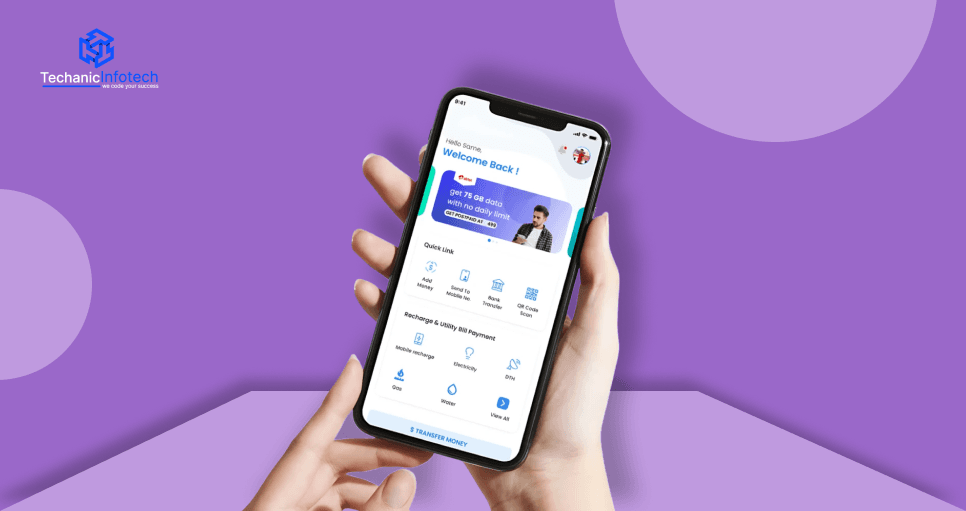
Key Takeaways
Starting an eWallet business in 2026 requires understanding the growing demand for secure, cashless, and instant digital payment solutions.
A successful eWallet must include core features like KYC verification, UPI/QR payments, money transfers, bill payments, transaction history, and strong security measures.
Advanced features, such as NFC payments, biometric login, crypto support, AI fraud detection, and reward programs, help differentiate your eWallet in a competitive market.
The cost to build an eWallet app depends on features, platform choice, tech stack, and compliance requirements like PCI-DSS, RBI guidelines, or international regulations.
Choosing scalable technology (cloud, microservices, APIs, and secure backend systems) ensures your eWallet can grow with increasing user demand in 2026 and beyond.
Monetization opportunities include transaction fees, commissions, partnerships, subscription plans, merchant services, and in-app marketplaces.
Starting a digital payment platform requires careful planning, the right technology, and a clear understanding of user expectations, especially as the world moves toward a fully cashless future.
If you’re exploring how to start an eWallet business, 2026 presents the perfect opportunity to enter a rapidly growing market driven by secure online transactions, smartphone adoption, and government support for digital payments.
Building an eWallet is not just about creating an app; it’s about understanding financial regulations, ensuring high security, and offering features that make everyday payments simple and reliable.
With the right strategy and a future-ready approach, you can launch an eWallet business that stands out and grows successfully in 2026.
A digital wallet is an application that allows users to store money electronically and make payments directly through their smartphones.
Instead of carrying cash or physical cards, people can save their bank details, debit or credit cards, and UPI information within the app for quick and secure transactions.
As more businesses and individuals choose cashless methods, understanding digital wallets becomes even more important, especially if you want to start the eWallet business in 2026 and take advantage of the fast-growing digital payment market.
A complete eWallet startup guide explains that digital wallets not only support instant payments but also offer bill payments, mobile recharges, QR code transactions, and online shopping features.
Many wallets include cashback, rewards, and spending history to make the experience more convenient.
In simple terms, a digital wallet works like a modern version of your physical wallet, easy to use, secure, and designed to handle everyday payments smoothly.
Creating a successful digital payment platform starts with thoughtful eWallet app design, which focuses on user convenience, security, and smooth navigation.
A well-designed wallet not only builds trust but also delivers a seamless payment experience for every user.
|
Statistic |
Value/insight |
|
Global digital wallet users by 2030 |
Expected to reach 6 billion users |
|
Digital wallet market size (2023) |
Expected to reach 6 billion users |
|
Forecasted market size by 2030 |
USD 7,857.70 billion (CAGR ~20.6%) |
|
Global transaction value (2023) |
USD 13.9 trillion via digital wallets |
|
Share of e-commerce payments |
~50% made through digital wallets |
|
Share of POS (in-store) payments |
~30% made through digital wallets |
|
Mobile money transactions (2024) |
108 billion transactions worth USD 1.68 trillion |
|
Global digital wallet users (2024) |
4.3 billion users |
The digital payment industry is evolving faster than ever, and keeping an eye on eWallet app trends helps businesses understand where the market is heading. These trends highlight user demands, technology shifts, and the growing opportunities in the cashless economy.
By 2026, digital payments will continue to grow at record speed as more people shift from cash to mobile-based transactions.
An eWallet business startup guide highlights how increasing smartphone adoption, UPI expansion, and strong internet connectivity push millions toward digital wallets daily.
Businesses and consumers prefer fast, secure, and contactless payments, which opens a profitable opportunity for new eWallet providers.
As digital transactions become a part of everyday life, shopping, bills, travel, subscriptions, and new apps can easily gain users by offering smooth and secure payment experiences.
This rising demand creates a solid foundation for a profitable eWallet business.
As online fraud increases, people look for apps that offer strong protection and simple transactions.
Following the right steps to start an eWallet company helps you build an app that meets modern security expectations while providing quick, user-friendly payment options.
In 2026, users will choose platforms that offer biometric login, tokenization, instant transfers, and real-time alerts.
Businesses will also rely on secure digital payments, increasing demand for trusted eWallet solutions.
If your app combines safety with convenience, it can quickly earn user confidence and attract repeat usage, making it a profitable venture.
Governments worldwide are encouraging cashless transactions by expanding digital infrastructure, improving banking connectivity, and offering incentives for online payments.
These initiatives reduce the cost of entering the market and make it easier for new eWallet providers to grow.
As regulatory frameworks mature, eWallet startups will face clearer guidelines and smoother compliance processes, helping entrepreneurs understand how to start an eWallet business more confidently.
Government-backed programs increase trust in digital payments, which benefits new businesses as more users adopt eWallets for bills, travel, education, business payments, and daily expenses.
With official support, the environment becomes more favorable for profitable digital wallet ventures.
The eWallet industry is no longer limited to payments; it is expanding into financial services like micro-loans, investments, EMI options, savings tools, and rewards.
This makes starting an eWallet app business extremely profitable because it opens multiple revenue streams beyond basic transactions.
By 2026, users will expect more value from their digital wallets, encouraging apps to offer personalized financial tools powered by AI.
Features like spending insights, automated bill reminders, and subscription tracking will attract a larger audience.
These add-ons improve engagement and increase user retention, making your eWallet business more scalable and financially rewarding.
While big brands dominate general payment apps, niche segments still have huge growth potential.
Markets like student payments, travel wallets, business expense wallets, rural digital payments, and merchant-focused solutions remain largely untapped.
When you start the eWallet business in 2026, entering these specialized areas allows new startups to grow without competing directly with giants like Google Pay or Paytm.
By solving specific user problems and offering tailored features, your eWallet can quickly build a loyal user base.
These niche markets also offer higher retention, fewer rivals, and better long-term profitability for new eWallet business owners.
Starting an eWallet business can be one of the most profitable ventures in today’s digital era.
With more people shifting to cashless payments, the demand for secure and fast digital transactions is rising every day.
Before you begin, it’s important to understand the basics, plan properly, and identify the right features.
This introduction sets the foundation for the steps to start an eWallet company that helps you build a strong and reliable business in this growing industry.
Before you build anything, you must understand how the eWallet industry works.
Study the current market trends, popular apps, user expectations, and their daily payment habits.
Create a simple list of what users want the most: fast transactions, secure logins, cashback, bill payments, and easy onboarding.
Also, analyze top competitors like Google Pay, PhonePe, and Paytm.
This early research acts as an eWallet business startup guide, helping you shape your product in the right direction and avoid common mistakes.
Your business model will decide how your eWallet operates. There are three major types:
Closed Wallet – for one brand only
Semi-Closed Wallet – for multiple merchants
Open Wallet – supports withdrawals and ATM access
Choosing the right model depends on your goals, target audience, and budget.
Semi-closed wallets are easier to launch and require fewer permissions compared to open wallets.
If you want to start an eWallet business in 2026, begin planning your business model early so your app stays relevant, secure, and compliant with future market expectations.
Since eWallets fall under financial services, you must get proper approvals and follow government regulations. In India, for example, the Reserve Bank of India (RBI) regulates digital wallets.
You may need licenses depending on your wallet type, along with compliance for KYC, AML, and data protection rules.
Many businesses also consult ewallet app development companies to ensure their platform meets technical and regulatory standards.
Hire a legal expert to help you navigate the process. Good compliance not only protects your business legally but also builds long-term trust with users and merchants.
An eWallet is only useful when it provides convenient and meaningful features. Make a list of core functionalities such as:
User registration and eKYC
Add money to the wallet
QR code payments
Transaction history
Bank transfers
Rewards and cashback
24/7 customer support
Your goal should be to build an app that users can depend on for daily payments.
When planning features, you can explore ideas for eWallet apps like personal budgeting tools, bill reminders, NFC payments, or split-bill features to make your app stand out from competitors.
Technology defines the strength of your app. Select a secure and scalable tech stack involving Node.js, Java, Python, Flutter, Kotlin, or Swift based on your requirements.
If you wish to start an eWallet business in 2026, begin planning your technology infrastructure early so that the app is future-ready and adaptable to industry standards.
Whether hiring an in-house team or outsourcing, choose developers with fintech experience.
Security is the most critical part of any eWallet system. Users trust you with their money and financial information, so your app must include:
End-to-end encryption
Multi-factor authentication
Device binding
Tokenization
Fraud monitoring
Secure payment gateway integration
Security failures can cause major financial losses and damage your reputation. Following global standards like PCI DSS adds another layer of protection. Always test your security systems regularly.
Your app should be easy for everyone—from tech-savvy users to beginners. A clean and simple UI/UX helps users navigate quickly without confusion. Focus on:
Clear layout
Minimal steps for payments
Smooth animations
Fast loading screens
Easy wallet top-up options
The more user-friendly your app is, the more likely people are to use it daily.
A strong UI/UX combined with seamless API integration in eWallet apps ensures features like payments, bank verification, KYC, and notifications work smoothly.
When users experience easy navigation and fast responses, it reduces customer support requests and greatly improves overall satisfaction.
To enable real payments, you must integrate your app with reliable payment gateways and banking partners. Look for partners with strong uptime, low transaction failure rates, and good customer support. These partnerships allow you to add features like:
UPI payments
Bank transfers
Bill payments
Merchant transactions
Building strong financial partnerships helps your app function smoothly and gain user trust.
Testing is essential before going live. Financial apps must be perfect because even a small error can impact users. Test the following:
App performance
Security vulnerabilities
Transaction speed
UI issues
Compatibility with different devices
Load testing under heavy traffic
Also, conduct beta testing with real users to understand their experience. Fix all bugs early to avoid problems after launch.
After development and testing, it’s time to launch. Build a marketing plan to reach users quickly. Use social media ads, influencer marketing, promotional offers, and referral bonuses.
Highlight your special features like cashback, quick payments, or unique services.
Encourage merchants to join your platform by offering easy onboarding and attractive benefits. Keep updating your app with new features to remain competitive.
If you plan to start the eWallet business in 2026, this is the right time to understand the market, prepare your strategy, and build a secure, user-friendly digital payment solution that stands out.
► Challenge:
Security is one of the biggest concerns when dealing with digital payments. New entrepreneurs researching how to start an eWallet business often struggle with ensuring user data safety and preventing fraud.
► Solution:
Use strong security measures like encryption, biometric login, multi-factor authentication, tokenization, fraud detection systems, and regular audits. Following PCI DSS standards also increases user trust.
► Challenge:
There is huge competition from established brands like Google Pay, Paytm, and PhonePe. Standing out is one of the major challenges in eWallet app development because users already trust popular platforms.
► Solution:
Offer unique features, better rewards, faster payments, a simple interface, and niche-specific solutions. Partner with local merchants and create loyalty programs to attract and retain users.
► Challenge:
Digital financial products must follow strict government guidelines such as KYC, AML, data privacy rules, and licensing requirements.
► Solution:
Work with legal experts to understand licensing procedures. Use automated KYC and AML tools to stay compliant without complicating user onboarding.
► Challenge:
Users often hesitate to try new eWallet apps due to fear of fraud or hidden charges. Trust issues become challenging when you try to set up your eWallet business from scratch.
► Solution:
Be transparent with fees, offer responsive customer support, maintain high transaction success rates, highlight security certifications, and showcase banking or fintech partnerships to increase credibility.
► Challenge:
When user traffic increases, apps may slow down or fail to process payments on time. Poor scalability affects performance and user experience.
► Solution:
Use scalable cloud architecture, load balancing, real-time monitoring, and robust backend technologies. Ensure your payment gateway partners support high transaction volumes without delays.
The future of digital payments is rapidly evolving, and the eWallet industry is set to grow faster than ever as users shift towards secure, convenient, and cashless transactions.
The future of the eWallet business is strong as digital payments replace cash.
Growing demand for fast and secure transactions is boosting the eWallet service business.
Rising smartphone use and digital trust make eWallets a daily habit.
More entrepreneurs learning how to start an eWallet business will drive rapid industry expansion.
eWallets will become full financial ecosystems with loans, investments, bills, and cross-border payments.
Growth will be highest in developing countries with rising mobile payments.
AI will improve personalization, fraud detection, and user convenience.
Stronger security will increase user confidence.
The eWallet app market will grow due to innovation and government support.
Early investors with secure, user-friendly apps will lead the digital payment future.
Techanic Infotech begins by understanding your goals, target users, and the overall structure you want for your digital wallet.
As an experienced eWallet app development company, they create a customized roadmap that includes design, technology selection, user flow, and security planning.
Their team ensures your app aligns with market needs and delivers a smooth and secure digital payment experience.
They also help you shape your long-term vision through a strategic eWallet business plan for 2026, ensuring your product is ready for future demands and industry changes.
Their services include full mobile app development, backend setup, payment gateway integration, merchant modules, and top-level security features like encryption, OTP verification, and fraud detection tools.
Techanic Infotech focuses on building eWallets that are fast, scalable, and user-friendly.
They follow best fintech practices, ensure regulatory compliance such as KYC and AML, and use modern technologies to support high traffic and instant transactions.
After launch, they continue offering maintenance, updates, and performance monitoring to keep your app running smoothly.
With their expertise, Techanic Infotech helps transform your idea into a complete eWallet business backed by strong technology and a reliable user experience.
Launching a digital payment platform requires a well-defined strategy, secure technology, and a thorough understanding of market needs.
When learning how to start an eWallet business, it’s important to focus on user experience, strong security, and compliance with financial regulations.
By following a structured approach and building a scalable solution, you can create a product that users trust.
The process of starting an eWallet business becomes easier when you have expert guidance, a solid plan, and continuous improvements based on user feedback.
With the growing demand for digital payments, now is the perfect time to build your eWallet business.
The first step is understanding your target market and deciding what features your eWallet will offer, such as payments, money transfers, or bill payments.
Yes. You must follow your country’s financial regulations and get necessary approvals, like payment service provider licenses and data compliance certifications.
The cost depends on features, security systems, and development approach, but expect expenses for app development, licensing, banking partnerships, and marketing.
Yes. The 2026 market is still growing, and startups can compete by offering unique features, strong security, and a smooth user experience.
You can hire your own team or work with a professional eWallet app development company to build a secure, scalable, and regulation-ready eWallet platform.


Abhishek Jangid is the CEO of Techanic Infotech, with extensive experience in mobile app and web development. He specializes in helping businesses turn innovative ideas into scalable digital solutions through strategic planning and modern technology.