
Dating App Development
Dating App Maintenance Cost & Strategy: A Complete Post-Launch Guide
December 29, 2025
December 29, 2025
Key Takeaways
Post-launch maintenance is essential for dating apps to maintain performance security, and user trust while preventing churn, negative reviews, and long-term growth challenges.
Dating app maintenance costs typically range from $5000 to $15000+ monthly, making early budget planning critical for avoiding unexpected expenses and supporting sustainable platform growth.
Corrective, adaptive, preventive, perfective, and emergency maintenance work together to keep dating apps stable, secure, compatible, and aligned with changing user expectations.
Strong security updates and performance optimization protect sensitive user data, prevent downtime, reduce costly breaches, and ensure smooth user experiences in a competitive dating app market.
A proactive maintenance strategy using clean, automatic, and scalable infrastructure helps control costs, improve efficiency, and support long-term dating app success.
Launching a dating app is only the beginning. The real challenge begins after launch, when performance, security, and user experience must be consistently maintained.
This complete post-launch guide breaks down what it truly takes to keep a dating app running smoothly in a competitive market.
From regular updates and bug fixes to server scaling and feature improvements, every decision affects user retention and growth.
Understanding the dating app maintenance cost helps founders plan realistic budgets, avoid unexpected expenses, and support long-term success.
Whether you’re managing a startup app or scaling an established platform, this guide offers practical strategies to maintain performance, protect user data, and keep users engaged after launch.
Ongoing maintenance is crucial for dating apps because it directly impacts performance, security, and user trust.
Regular updates help fix bugs, improve speed, and adapt to changing user expectations. Ignoring post-launch upkeep often leads to poor reviews and high churn.
Understanding the cost to maintain a dating app allows businesses to plan smarter, protect user data, and ensure long-term engagement in a highly competitive market.
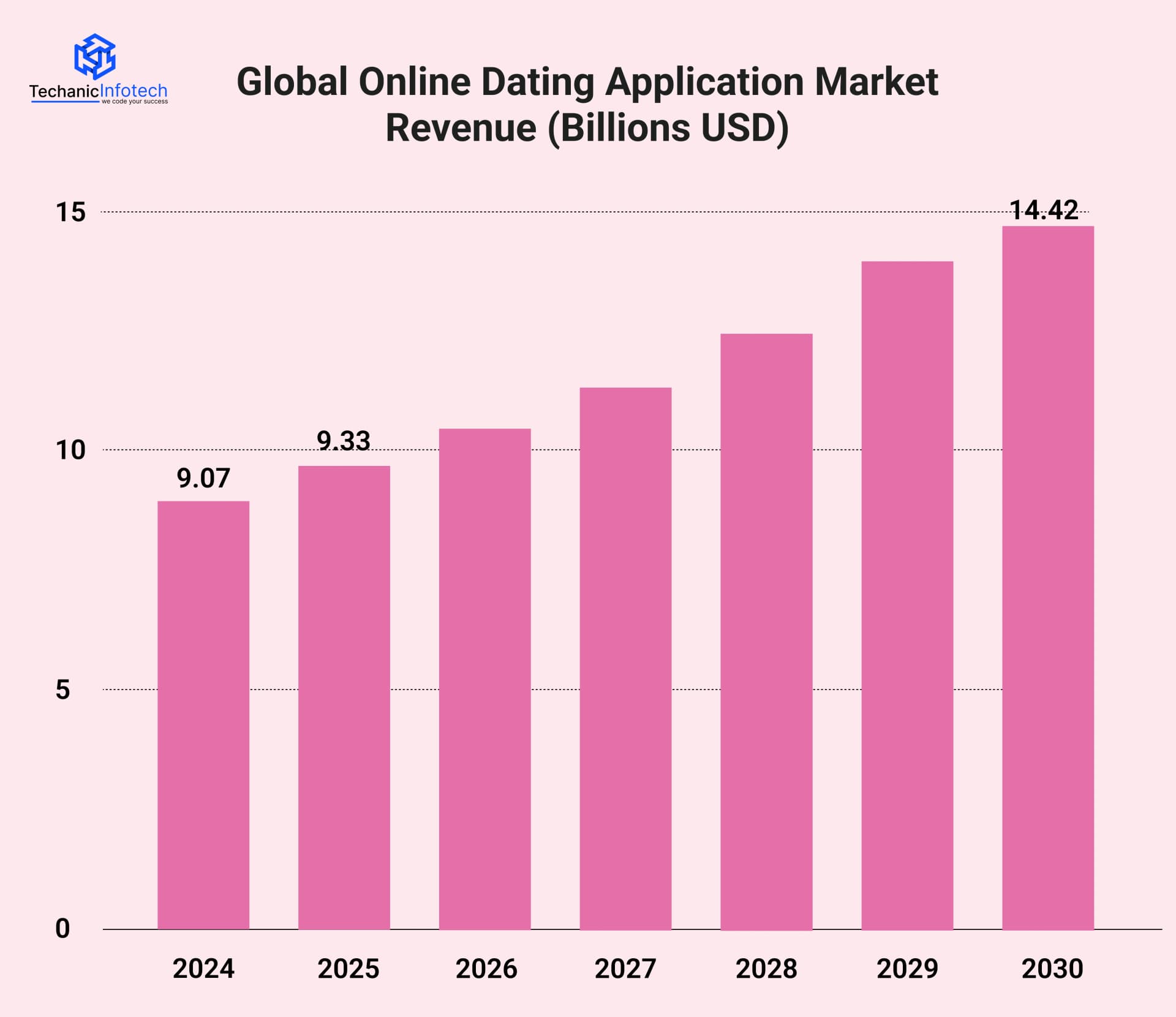
The global dating apps market was valued at over $9.33 B in 2025, with continued growth expected.
About 350 M+ users actively use dating platforms worldwide.
Roughly 25 M people pay for premium dating app features globally.
Average daily dating app usage is around 80 minutes per user.
Many platforms see retention rates near 3.3%, highlighting post-launch engagement challenges.
Understanding the types of dating app maintenance is essential for keeping your platform stable, secure, and user-friendly after launch.
Each maintenance type plays a specific role, from fixing bugs and improving performance to adding new dating app features and ensuring data security.
A clear maintenance strategy helps control costs, boost user retention, and support long-term app growth.
Corrective maintenance focuses on fixing bugs, crashes, and technical issues reported by users. These fixes ensure smooth functionality and protect user trust. Maintaining a clean interface and stable dating app design also plays a key role in reducing user complaints and negative reviews.
Adaptive maintenance keeps the dating app compatible with new operating systems, devices, and third-party services. Regular updates ensure uninterrupted functionality when platforms like iOS or Android release new versions or security policies.
This type improves app features based on user feedback and usage data. UI enhancements, performance upgrades, and feature refinements are included here. These improvements often influence the overall dating app maintenance and support cost, especially for growing platforms.
Preventive maintenance focuses on identifying potential risks before they cause failures. It includes security audits, performance monitoring, and code optimization to minimize future issues and maintain long-term app stability.
Emergency maintenance addresses critical issues such as data breaches, server crashes, or payment failures. Quick fixes are essential to protect users and revenue. The response effort may increase costs, especially when compared to the initial cost to create a dating app.
A strong maintenance plan is essential for keeping a dating app stable, secure, and competitive after launch.
Understanding key dating app maintenance strategies helps businesses reduce downtime, improve user experience, and adapt to market changes.
A well-defined dating app maintenance strategy ensures consistent performance, supports feature updates, and drives long-term user retention in a crowded app marketplace.
Consistent bug fixing keeps the app stable, fast, and user-friendly. Strong performance metrics also strengthen a dating app startup pitch, showing investors that the platform is reliable and scalable. Early issue resolution improves user trust and reduces negative reviews.
Dating apps manage highly sensitive personal data, making security updates essential. Regular audits, encryption upgrades, and compliance checks help control the cost to maintain a dating app by preventing expensive breaches, penalties, and emergency fixes.
Improving features based on real user feedback keeps the app engaging and relevant. Prioritizing updates also helps manage dating app maintenance pricing, ensuring budgets are spent on features that actually improve retention and user satisfaction.
Continuous server monitoring prevents downtime during peak activity. Scalability planning ensures smooth performance as the user base grows, helping dating apps expand without service disruptions or sudden infrastructure costs.
Operating systems and devices change frequently. Staying compatible supports innovation and allows teams to test new dating app ideas without breaking existing features or frustrating users across different devices.
Refreshing UI elements and improving navigation keeps the app visually modern and easy to use. Small UX upgrades can significantly improve engagement, session duration, and overall user satisfaction over time.
Planning post-launch expenses is essential for the long-term success of any dating platform. Dating app maintenance includes performance optimization, security updates, server management, and feature improvements.
On average, annual maintenance costs range between $20,000 and $120,000, depending on app complexity, user volume, and growth plans.
Understanding these costs early helps founders budget wisely and avoid unexpected expenses.
Bug fixes and performance optimization ensure the app runs smoothly without crashes, delays, or functional errors.
Regular monitoring helps identify issues early and improve speed, responsiveness, and reliability. When comparing long-term expenses with benchmarks like the cost to develop an app like Bumble, ongoing optimization becomes critical for sustaining user trust and high app ratings.
|
Task |
Estimated Annual Cost |
|
Bug fixing & debugging |
$4,000 – $15,000 |
|
Performance optimization |
$3,000 – $10,000 |
|
Crash monitoring & testing |
$2,000 – $6,000 |
Server and hosting expenses grow with user traffic, real-time messaging, and data storage needs. Dating apps require scalable cloud infrastructure to handle peak activity smoothly.
These expenses form a major part of the dating app's ongoing maintenance cost, especially for platforms experiencing rapid user growth.
|
Component |
Estimated Annual Cost |
|
Cloud hosting |
$5,000 – $25,000 |
|
Database management |
$3,000 – $12,000 |
|
Traffic scaling & backups |
$4,000 – $15,000 |
Dating apps manage sensitive personal data, private chats, and payment details. Security costs include encryption updates, vulnerability testing, and compliance with data protection laws.
Strong security reduces the risk of breaches, legal penalties, and loss of user trust, making it a non-negotiable maintenance investment.
|
Security Area |
Estimated Annual Cost |
|
Data encryption & updates |
$3,000 – $12,000 |
|
Security audits |
$2,000 – $8,000 |
|
Compliance updates |
$1,000 – $5,000 |
Feature updates keep the app competitive and aligned with changing user expectations. This includes rolling out new features, improving matchmaking logic, and refining user interactions.
Regular enhancements help boost engagement, reduce churn, and maintain relevance in a crowded dating app market.
|
Feature Work |
Estimated Annual Cost |
|
New feature development |
$6,000 – $25,000 |
|
Feature improvements |
$4,000 – $15,000 |
|
A/B testing |
$2,000 – $6,000 |
Operating systems and devices evolve constantly, requiring apps to stay compatible with new versions and hardware.
These updates ensure uninterrupted performance across iOS, Android, and different screen sizes, preventing crashes and usability issues that frustrate.
|
Compatibility Task |
Estimated Annual Cost |
|
OS updates |
$3,000 – $10,000 |
|
Device & API testing |
$2,000 – $6,000 |
UI and UX updates enhance navigation, visual appeal, and overall usability. Even small design refinements can significantly improve engagement and session duration.
When compared with platforms modeled after the cost to develop an app like Hinge, continuous UX refinement plays a major role in long-term user retention.
|
Design Task |
Estimated Annual Cost |
|
UI refinements |
$2,000 – $8,000 |
|
UX improvements |
$3,000 – $10,000 |
|
Accessibility updates |
$1,000 – $4,000 |
Reducing dating app maintenance costs requires proactive planning and technical discipline. Many founders underestimate post-launch needs, which is one reason why online dating startups fail despite strong initial traction.
A structured maintenance approach helps control spending, prevent performance issues, and support long-term scalability without compromising user experience.
Writing clean, well-documented code makes updates faster and reduces technical debt. Scalable architecture allows teams to add features without rewriting core systems.
This directly lowers the dating app's ongoing maintenance cost by minimizing repeated fixes, long debugging cycles, and unexpected system failures over time.
Breaking the app into modular components allows updates without disrupting the entire system. This makes it easier to enhance or replace specific features of dating app functionality as user needs evolve.
Reusability shortens development cycles and keeps maintenance efforts efficient and cost-controlled.
Automated testing detects bugs early, while performance monitoring identifies issues before they affect users. This reduces reliance on manual testing and emergency fixes.
Over time, automation lowers maintenance expenses and ensures consistent app quality across devices and OS versions.
Using scalable cloud services allows apps to adjust resources based on demand. This prevents overpaying for unused capacity during low traffic periods.
Smart cloud planning helps control the dating app upkeep cost while maintaining performance during peak usage.
Planned updates reduce downtime and prevent major failures. Regular release cycles keep systems stable and predictable, helping teams budget maintenance costs accurately and avoid expensive last-minute fixes caused by neglected updates.
Not all features require constant updates. Data-driven decisions help teams focus on high-impact improvements while ignoring low-usage elements.
This reduces unnecessary work and addresses common dating app development challenges linked to wasted maintenance resources.
Understanding post-launch requirements is essential for building a successful dating platform.
While many founders focus only on features and launch timelines, long-term maintenance and scalability define real success.
Comparing ongoing costs with benchmarks like Tinder app development costs helps businesses plan smarter budgets and make informed growth decisions.
A maintenance partner with proven dating app experience understands real-world challenges like high user activity, data privacy, and matchmaking performance.
Their insight also extends to supporting dating app monetization strategies, ensuring technical stability while revenue features scale. This experience helps resolve issues faster and prevents recurring problems that impact user trust and engagement.
Clear pricing and defined support plans help you avoid hidden costs after launch. A reliable partner explains what’s included in maintenance, response times, and upgrade policies.
Transparent models allow better budgeting and ensure you only pay for services that deliver measurable improvements to app stability.
Dating apps manage highly sensitive personal data, making security non-negotiable. The right mobile app development company prioritizes encryption, regular audits, and legal compliance.
Strong security practices help control the dating app maintenance cost by preventing expensive breaches, penalties, and emergency recovery efforts.
As your dating app grows, maintenance demands increase. A scalable partner supports traffic growth, feature expansion, and new integrations while aligning with long-term goals.
This flexibility highlights key reasons to invest in dating apps, including sustained performance, user trust, and predictable operational costs.
Choosing the right technology partner is essential for maintaining a high-performing dating platform. Techanic Infotech stands out for its proven expertise in post-launch support, scalability, and security-driven maintenance.
As a trusted dating app development company, Techanic Infotech understands the technical and business challenges dating apps face after launch.
The team focuses on proactive monitoring, timely updates, and performance optimization to ensure smooth user experiences.
With transparent pricing, dedicated support teams, and flexible engagement models, they help reduce downtime and control maintenance costs.
Their experience across diverse dating platforms allows them to deliver reliable, long-term maintenance strategies that support growth, user retention, and evolving market demands.
Post-launch success of a dating app depends heavily on how well it is maintained and optimized over time.
From performance improvements and security updates to feature enhancements and scalability planning, ongoing maintenance keeps users engaged and protects your platform’s reputation.
Understanding the dating app maintenance cost helps founders plan realistic budgets, avoid unexpected expenses, and make smarter long-term decisions.
A structured maintenance strategy reduces downtime, improves user trust, and supports steady growth in a competitive market.
By choosing the right maintenance approach and technology partner, dating app businesses can ensure consistent performance, better user retention, and sustainable success well beyond the initial launch phase.
Dating app maintenance typically costs 15-25% of the initial development budget per year. The exact cost depends on features, user volume, server usage, security needs, and update frequency.
maintenance includes bug fixes, performance optimization, security updates, server monitoring, OS compatibility updates, feature improvements, and ongoing technical support after launch.
Regular maintenance ensures smooth performance, protects user data, and prevents crashes. It also helps retain users, maintain app ratings, and stay competitive in a fast-charging dating market.
Clean code, automation, scalable cloud infrastructure, and planned updates can significantly reduce long-term maintenance costs and avoid expensive emergency fixes.
Outsourcing is often cost-effective for startups. It provides access to experienced teams, faster issue resolution, predictable pricing, and allows founders to focus on growth and marketing.


Abhishek Jangid is the CEO of Techanic Infotech, with extensive experience in mobile app and web development. He specializes in helping businesses turn innovative ideas into scalable digital solutions through strategic planning and modern technology.