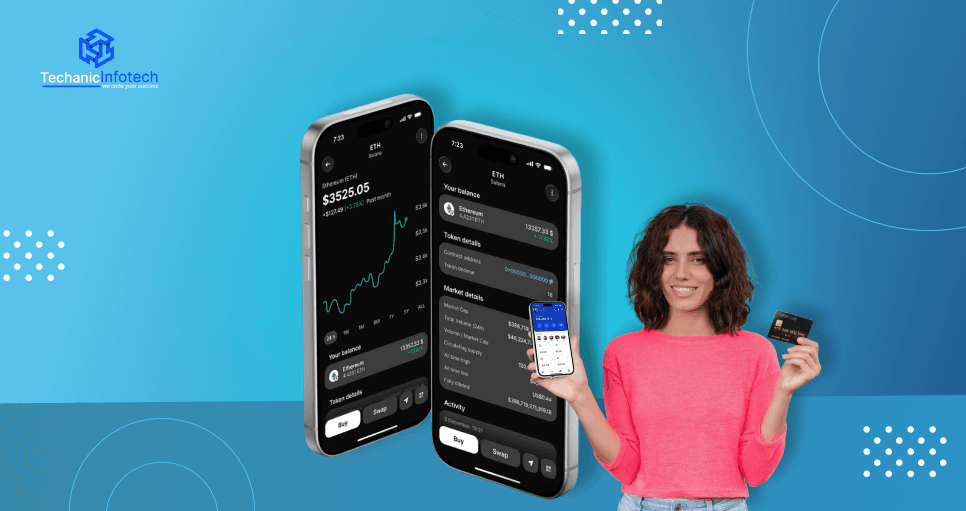
An eWallets are considered the best choice for small payments because of its enhanced security for bank accounts. Both UPI & eWallets provide different advantages for users, where the best one depends on user priorities.
Consumers who purchase regularly or conduct small transactions prefer UPIs because they provide quick payments without requiring bank authentication each time. eWallets make low-value transactions simple with features including saved money, fast QR payments, cashback rewards, and improved security measures.
Behind the scenes, technologies like eWallet API integration play a crucial role in enabling smooth connectivity between payment platforms and financial systems, ensuring users experience reliable and effortless transactions every day.
Although UPI offers direct bank-to-bank transfers, minor purchases may be slowed down since it sometimes requires internet strength, authentication procedures, or daily limits. By providing quicker checkout times, more robust security, and intuitive user interfaces, eWallets perform well in this situation.
Digital payments have usually changed the way of transferring money by making financial exchanges faster and easier for users. Besides, digital payment tools such as UPI & eWallets are widely used by people. Both platforms aim to simplify the payment method, where both function in different ways by providing different purposes in the digital ecosystem.
UPI is a real-time payment system that allows users to transfer money between bank accounts instantly with the help of a mobile application. It allows users to link multiple bank accounts in a single app and initiate transactions 24/7 by ensuring that users can send or receive money across different banks and apps seamlessly. With features like QR code payments, auto-pay mandates, and bill sharing, UPI has become a more efficient payment method, also preferred for peer-to-peer transfers, merchant payments, utility bills, and online shopping.
eWallets allow users to store money electronically for quick transactions where users need to add funds from their bank account or through debit/credit cards. These digital payment methods are popular for small-value transactions, mobile recharges, utility payments, and earning cashback or reward points. It also offers a smoother user experience with eWallet app features such as one-click payments, prepaid balance, and integration with various online platforms.
Online payments are usually dominated by the UPIs that have become a retail payment method in most countries.UPI accounts for over 80% of all digital payment transactions, driven by the real-time bank-to-bank transfer capability, zero-cost model for users, and widespread acceptance through QR codes.
Transaction volumes continue to grow rapidly across both peer-to-peer (P2P) and peer-to-merchant (P2M) categories, with merchant payments expanding faster as small businesses increasingly adopt QR-based acceptance.
Wallets play an important role in making limited usage of cards and bank-linked payments. The total number of wallets had fallen by roughly 20% dropping by reflecting reduced consumer reliance on wallet-based transactions.
Modern eWallets are evolving with enhanced features such as instant top-ups, secure tokenized transactions, rewards programs, and seamless QR payments. This evolution, supported by technologies, ensures that digital wallets remain relevant, offering convenience, faster checkout experiences, and flexible spending options that complement the UPI ecosystem.
UPI enables instant bank-to-bank transfers 24/7 using mobile apps, without sharing account details, while eWallets store money digitally for online and offline payments, recharges, and merchant transactions. The following is a list of top UPIs and eWallets that one should consider.
UPI is a real-time payment system that enables instant money transfers between bank accounts using a mobile device. Given are some popular UPIs used by people for making small payments in their daily lives.
Google Pay is a widely used mobile payment platform enabling tap-to-pay, peer-to-peer transfers, online checkout, and bank-linked payments similar to UPI workflows. It integrates loyalty programs, transit passes, and secure tokenized transactions. Many startups model features around it when planning to create an app like Google Pay for broad market adoption.
PayPal is the most recognized global e-wallet, offering stored balance, instant transfers, merchant payments, subscriptions, invoicing, and cross-border transactions. It’s highly trusted for e-commerce. Businesses looking to develop an app like PayPal focus on security, dispute resolution, global compliance, and scalable transaction infrastructure, making e-wallet development time typically span several months.
Samsung Pay supports contactless NFC and MST payments, allowing users to pay at almost any traditional card terminal. It links bank cards, loyalty programs, and digital IDs for secure transactions. Its versatility makes it a strong UPI-style option, inspiring companies to analyze features and eWallet development time when creating similar payment apps.
An eWallet is a virtual wallet that stores money digitally and allows users to make online payments, transfer funds, pay bills, and even shop at retail stores using their smartphones. The following are the top 3 eWallet apps that provide the ability for users to pay instantly.
Venmo is a popular peer-to-peer e-wallet that allows users to send money instantly, split bills, and make in-app purchases. Its social feed displays transactions and encourages engagement, making it especially popular with younger users who value both convenience and social interaction in financial transactions.
Cash App provides instant transfers, debit card spending, Bitcoin trading, and bill payments. Its simple interface appeals to younger consumers and small businesses. Users can easily send money to friends or receive payments for goods and services, making it a versatile tool for both personal and small-scale commercial use.
Apple Pay is integrated into iOS devices and enables tap-to-pay, online payments, and peer transfers. It securely stores credit and debit cards and uses tokenization for safe transactions. Its seamless integration with Apple devices makes it widely adopted for both in-store and online payments.
UPI & eWallets support digital payments, but the functions of both platforms are completely different from each other. Usually, eWallet works as a digital version of a wallet where storing money is completed within a single application. Therefore, numerous challenges in the eWallet app that users need to face make them use UPIs instead of wasting time making payments.
With the help of these platforms, users can easily load their funds in these wallets with credit/debit cards,netbanking, and also UPIs. Users can store their balance for making payments digitally. Consider the following points that differentiate UPI & eWallets in multiple terms.
An eWallet stores money digitally within the app, meaning users must add funds before making payments. This creates a prepaid system where transactions are processed using the wallet’s internal balance. UPI, on the other hand, directly connects to a bank account, enabling instant transfers without loading money.
This difference changes how users manage funds eWallets require topping up, while UPI uses existing bank balances, making it more seamless for everyday payments and reducing extra steps.
With eWallets, payments rely on the available wallet balance; if insufficient, users must recharge the wallet first, slightly extending the payment flow. UPI enables real-time bank-to-bank transfers without any intermediate balance, making the process faster in most cases.
While both offer quick transactions, UPI avoids the extra step of loading money, reducing waiting time, and making transactions more straightforward. This provides a streamlined flow, considered the main reason for UPI gaining widespread popularity.
An eWallet acceptance varies widely depending on partnerships and regions. Some merchants may support only specific wallet brands, limiting usability. UPI, however, has near-universal acceptance across India, small shops, online platforms, service providers, and even street vendors using UPI QR codes.
Because it is bank-backed and standardized, UPI works across all apps and banks. This broad acceptance makes UPI far more versatile, while eWallets often require the merchant to support the particular wallet being used.
Many eWallets charge fees for wallet-to-bank transfers or impose higher limits on monthly transactions unless users complete full KYC verification.
They often rely on cashback offers to attract users. UPI generally has no transaction fees for personal payments and offers higher transfer limits set by banks, making it cost-effective. While UPI apps may also provide incentives, the system itself doesn’t depend on promotional benefits.
This difference impacts long-term usage preferences among consumers by considering the concept of UPI vs wallet payments. An eWallet app development cost is another point that differs from UPI, which can be decided as per the level of complexity and multiple factors.
eWallets typically follow a prepaid payment instrument (PPI) regulation model, which requires storing user data and funds at the wallet-provider level. This means security depends on both the app and the issuer.
UPI operates on a bank-centric model regulated by the NPCI and RBI, ensuring strict authentication, encryption, and two-factor verification. Since UPI transactions occur directly between banks without storing money externally, users benefit from strong financial oversight and reduced risk of wallet-level vulnerabilities.
UPI & eWallets are considered the two important pillars of digital payments, offering speed and convenience for users. Meanwhile, their functionality and features are quietly different. Let's consider the UPI and eWallet comparisons in terms of making digital payments by looking at their features.
To develop an app like Samsung pay, ensure there is a real difference between both payment methods in terms of authentication or easy-to-use infrastructure.
|
S.No |
Feature |
UPI |
e-Wallets |
|
1. |
Payment Source |
Linked Bank Account |
Stored Wallet Balance |
|
2. |
Speed of Payment |
Fast but may face bank/server issues |
Instant, no bank delay |
|
3. |
Authentication |
UPI PIN is required every time |
App lock or biometric |
|
4. |
Ideal Use Case |
Both small and large payments |
Small, frequent payments |
|
5. |
Rewards & Cashback |
Moderate |
High |
|
6. |
Internet Dependency |
Needs a stable internet |
Works even in low connectivity (app-dependent) |
|
7. |
Security |
Bank-level + UPI PIN security |
App-level + device-level encryption |
|
8. |
Risk of Bank Failures |
Possible payment failures |
None |
In short, both payment systems have their own strengths in terms of making payments, but eWallets are considered more for making small payments with smooth, secure rewards.
However, UPI is different from eWallets work as a bank-to-bank transfer system where the payment is deducted directly from the sender’s bank account. It acts as an intermediary technology that connects multiple banks and payment apps without the requirement to store money separately.
This eliminates the need to preload funds but requires authentication for every transaction. eWallets often provide loyalty rewards, coupons, cashback, gift cards, and brand-specific offers, making them ideal for small-value transactions and repeated purchases.
Small payments require speed, simplicity, and reliability qualities that eWallets deliver exceptionally well. Unlike UPI, where each payment requires bank authentication, eWallets allow users to pay instantly using preloaded funds.
This eliminates waiting times, failed transactions, and repeated PIN authorizations. For routine purchases like tea, snacks, groceries, bus tickets, and online shopping, this speed gives eWallets a distinct advantage.
Another reason is user convenience. eWallets business allows budgeting by letting users load a fixed amount, making them ideal for students, daily commuters, or parents giving digital allowances to children. They also help control overspending by limiting transaction values. The gamification in eWallet apps also helps users to increase their engagement with the app.
Reward programs are another major benefit. eWallets frequently offer cashback, referral bonuses, discounts, and brand partnerships features that UPI apps may not prioritize. This enhances the overall user experience and encourages regular wallet usage.
Additionally, eWallets reduce dependency on banking servers, which often face downtime during peak hours. Since transactions occur within the wallet, payments remain smooth even when banks experience technical issues.
Lastly, eWallets offer enhanced app-level security along with biometric verification, making them safer for microtransactions. For frequent players, this makes eWallets a smarter and more reliable choice.
Making small payments through digital platforms is becoming more trending, where people generally use two popular methods for making payments, like UPI and eWallets. Both platforms, like super apps in eWallet, allow users to make quick and convenient transactions, providing complete security for their transactions and data stored on the platforms, like bank account details.
Generally, eWallets store money inside the app, while UPI connects directly to your bank account and verifies every transaction through a secure banking system. Because of these differences, users often wonder which method is safer, especially for daily low-value payments.
For understanding the security concerns of both payment methods, it's crucial to compare the features of each system in terms of ensuring their handling process for authentication and preventing accounts from fraud. The given table highlights the key safety features that differentiate the concept of UPI vs wallet payments.
|
S.No. |
Feature |
eWallets |
UPI |
|
|
Fund Storage |
Money stored inside the wallet |
Money stays in your bank account |
|
|
Authentication |
App PIN, phone lock, KYC verification |
Mandatory UPI PIN + phone-based verification |
|
|
Regulation |
Wallet guidelines by RBI |
Strictly regulated by NPCI & RBI |
|
|
Fraud Vulnerability |
Higher: Phishing, wallet takeover risk |
Lower: encrypted rails + bank-level checks |
|
|
Transaction Limits |
Lower varies by wallet |
Standard UPI limits (usually ₹1 lakh/day) |
|
|
Reversal/Dispute Handling Safety |
Depends on the wallet provider |
Strong bank/NPCI dispute system |
|
|
Risk if Phone Lost |
Wallet balance can be misused if the app isn’t secured |
UPI requires a PIN for every transaction |
Considering the security factors, both platforms are secure for making payments within seconds. Meanwhile,eWallets are considered a more secure platform for making small payments, where everyday transactions can be done without any limit. Therefore, numerous eWallet app development companies are available that provide support in delivering both payment methods to ensure a secure platform for users.
On the other side, UPIs directly link with the main bank account, where the bank allocates some limitations on making payments in a single day by the users. The best choice for small payments that's also secure depends on the usage of the platform by the users and the amount of money being transferred.
For small payments, eWallets generally outperform UPI in convenience, speed, and reliability. Since funds are preloaded, users do not need to authenticate bank transactions each time, making payments nearly instantaneous. This is especially useful for frequent, low-value transactions such as buying snacks, paying for transport, or settling small online purchases.
UPI is excellent for sending money directly to others, paying bills, or making larger payments. However, for everyday microtransactions, it may occasionally face issues like server downtime, failed payments, or delays due to bank verification.
The best eWallet apps offer more user-friendly reward programs, cashback, and wallet points. This makes small payments more economical and engaging. Additionally, eWallets are safer for small transactions because they limit the user’s financial exposure by keeping only a small amount in the wallet.
Thus, while both systems are valuable, eWallets are the best choice for small and frequent payments because of their speed, stability, and enhanced user experience.
The future of digital payments is changing due to consumer preference for cashless transactions, increased smartphone usage, and technology advancements. Payment options like UPI, eWallets are continuously growing and becoming more sophisticated, safe, and frictionless as digital ecosystems develop.
The usage of UPI,eWallet, and other quick payment systems will be one of the most significant changes. Most countries are trying to build UPI infrastructure in their country to make quicker and more economical cross-border transactions.
With the help of these payment methods, users would be able to obtain tiny, quick credit via their UPI apps by making transactions within seconds or eliminating the need for traditional credit cards. Following the guidelines while using payment making platforms saves from digital wallet fail and ensures an effective way for transferring money.
The future development of digital payments with UPI vs digital wallet will likewise be significantly safer and time-saving. These advancements will reduce the overall time for making the payment by improving fraud detection and customising financial suggestions.
Based on user behaviour, smart assistants of these payment methods will probably be able to manage subscriptions, forecast payment patterns, and optimise spending. This UPI and eWallet guide helps in considering both payment methods and ensuring which one is suitable for a specific user, as per their needs.
Techanic Infotech specialises in creating feature-rich, expandable, and secure eWallet applications that are suited to corporate requirements. The expertise of our company makes us the best eWallet app development company that provides end-to-end solutions, such as wallet administration systems, payment gateway integration, UI/UX design, backend development, and advanced safety measures like encryption and biometric authentication.
Their staff guarantees adherence to financial laws and offers smooth bank and third-party service coordination. With a focus on financial innovation, cloud infrastructure, and mobile app development, our company provides assistance for companies in launching their best eWallet apps that are dependable, quick, and easy to use.
By providing a complete guarantee of long-term performance, the team of developers ensures that they offer upgrades, maintenance, and after-purchase support for making eWallet more reliable for the users.
Both platforms for making digital payments, like eWallets and UPIs, are more in demand by users in terms of making small payments within seconds.
When it comes to eWallets then it's suitable for users who want to make payments without any kind of restriction. But on the other side, UPIs are a more preferable platform by the users for making small payments, where money is directly deducted from the bank account.
The instant payment feature of both platforms makes them ideal for making small transactions easily. With growing demand in the digital payment platform, most businesses and users are switching to both types for making payments, whether getting answers for concerns like eWallet vs traditional banking apps.
Before choosing any one from these, it's crucial to consider the factors and security concerns in terms of making transactions through both methods, whether it's about limitations and safety from any kind of spam.
Of course, eWallets are considered as more safe small transactions because they use a stored balance rather than direct bank access. It also uses biometric locks, app-level encryption, and fraud detection systems for extra security layers compared to UPI’s PIN-based authentication.
Some eWallets offer limited offline functionality, allowing users to complete small transactions even with weak connectivity. These platforms also perform better than UPI in low-network environments as they avoid dependence on real-time bank authentication for every payment.
Meanwhile,eWallets usually provide better rewards, cashback, and promotional offers, whereas UPI apps offer fewer rewards because their primary purpose is to facilitate direct bank transfers, whereas eWallets focus on frequent transactions.
Absolutely, eWallets can be used for larger payments designed for small or moderate transactions. Some wallets have limits on the maximum amount to spend in a single day, like UPI, which usually provides transaction limits.
The best digital payment platforms usually depend on the user requirements or the amount to be transferred in a day. Meanwhile, eWallets don’t have any kind of limitation on transactions, but UPI has a limitation of transferring an amount of up to 1 lakh in a day.


Abhishek Jangid is the CEO of Techanic Infotech, with extensive experience in mobile app and web development. He specializes in helping businesses turn innovative ideas into scalable digital solutions through strategic planning and modern technology.